




Summary
This article details NCSoft's monetization model for the September-launching global Aion 2. The free-to-play MMO uses Kinah (in-game) and Kuna (premium) exchange systems, with a $15 monthly membership required for full player market and currency trading access, bringing pay-to-win traits. It also features a cash shop, battle passes and cosmetics. Disappointing prior fan optimism, the system lets real-money spending boost progression. Players can buy Aion 2 Kinah via official exchanges to skip tedious grinding, though the game's long-term balance remains uncertain.
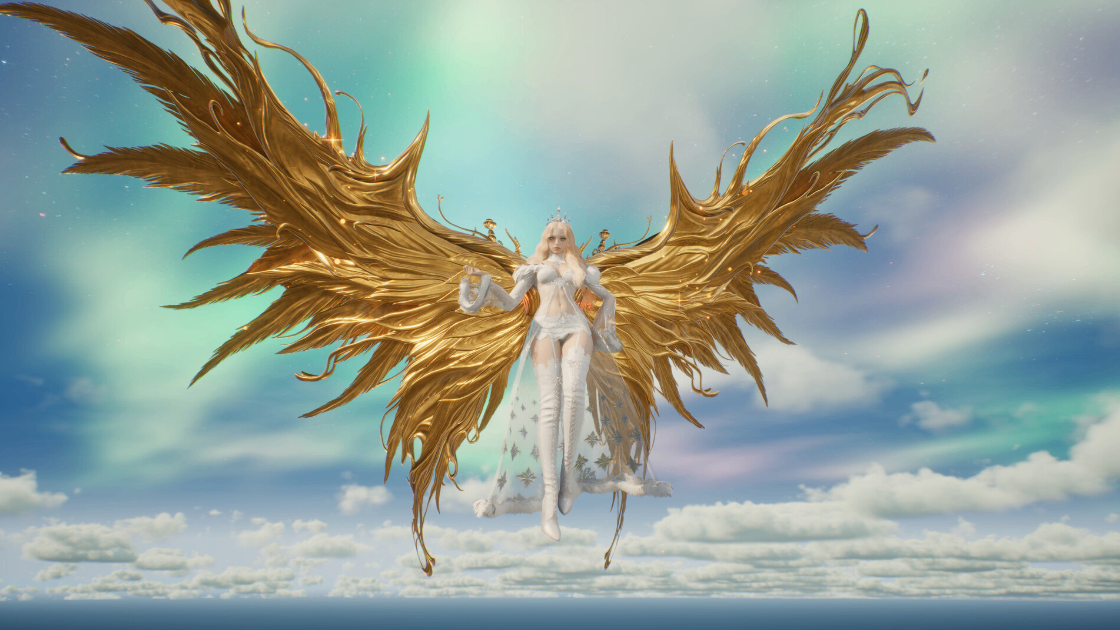
NCSoft has finally detailed the monetization model for the global version of Aion 2, set to launch in September. The reveal confirms a free-to-play structure layered with systems that many players view as pay-to-win. While the company emphasizes transparency and long-term player retention, the details leave room for skepticism based on past NCSoft titles.
Aion 2 launched in Korea and Taiwan in late 2025 to strong initial interest, building on the legacy of the original Aion. Early promises suggested lessons learned from previous monetization missteps. Korean servers later saw subscription reductions and added equalized PvP modes. Leadership changes at NC America and hints of global adjustments fueled limited optimism. The full global model has now dashed much of that hope.
Free-to-Play Access with Clear Limitations
Aion 2 is free to play with no required purchase to enter the game. Players can experience the core systems, open world, flight combat, classes, and content without spending money. This accessibility is a positive starting point for a large-scale MMORPG.
However, free-to-play status often comes with restrictions that push players toward spending. In this case, key economic features remain locked behind paid options. Simply logging in and progressing does not grant full participation in the player-driven economy that the developers highlight as central to the experience.
Two Currencies: Kinah and Kuna
The game uses two primary currencies. Kinah serves as the standard in-game currency earned through gameplay. Players obtain it from quests, dungeons, open-world activities, crafting, and other systems. It functions as the backbone of the auction house and item trading.
Kuna is the premium currency purchased with real money. It buys cosmetics, battle pass tracks, and other cash shop items. Critically, players can exchange Kuna for Kinah through a player-driven market system. One player lists Kinah for sale; another spends Kuna to acquire it. The reverse is also possible.
This exchange creates a direct path from real-money spending to the currency needed for gear, upgrade materials, and market purchases. Earning Kinah through play remains possible, yet buying Kuna and converting it accelerates progress significantly. The system effectively allows players to purchase power via the market.
The Membership Requirement
A single optional membership costs $15 per month. It unlocks access to the player-driven market and the Kinah-Kuna exchange. Without an active membership, free-to-play players can earn Kinah but cannot freely trade it or participate fully in the economy.
The membership also provides additional gameplay benefits and access to a special shop for extra Kuna purchases. Developers present it as broadening engagement across core systems. In practice, it gates the central marketplace that underpins item progression and the economy.
Supporters may argue the fee helps deter bots. Critics note that organized bot operators can simply absorb the cost, while legitimate free players face unnecessary barriers. At $15, the price aligns with typical MMO subscription rates, yet combining it with currency conversion changes the overall feel.
Cash Shop, Battle Passes, and Cosmetics
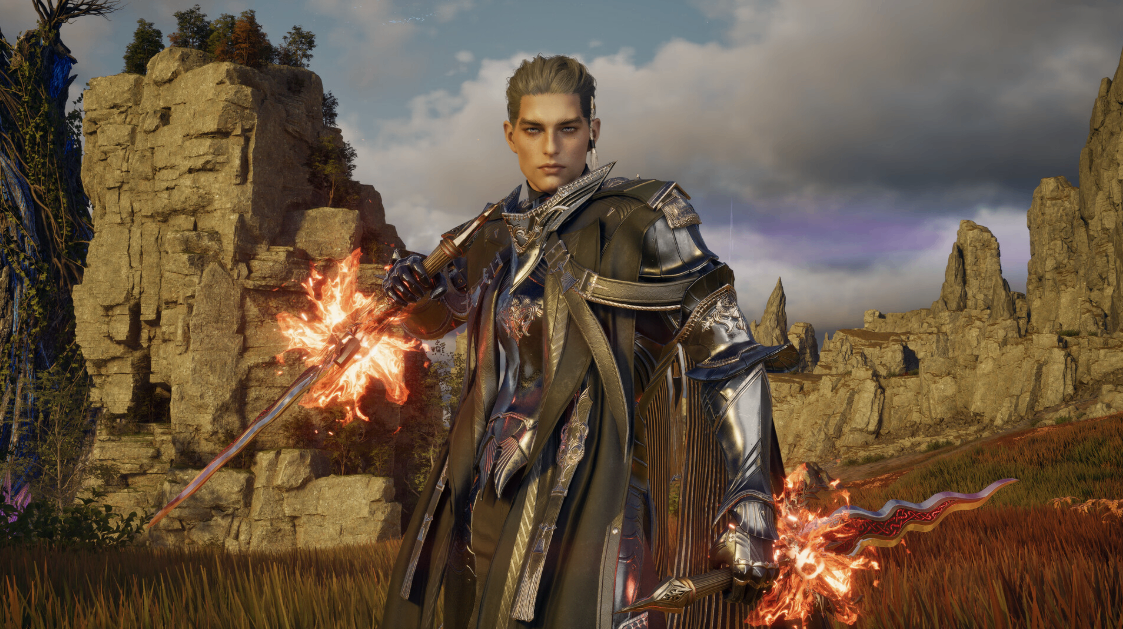
The cosmetics shop offers wings, skins, pets, and similar items. A battle pass features free and paid tracks that award extra items and cosmetics. Founder packs appear available around launch as well.
These systems are common in modern free-to-play titles. When limited to pure cosmetics, they rarely draw strong criticism. The issue arises when premium currency flows into the main economy and when market access requires ongoing payment. The combination turns optional spending into a clearer advantage for progression.
Player-Driven Economy with Pay-to-Win Elements
Developers describe the market as the center of a player-driven economy. Prices reflect player values, and items move between participants using Kinah earned or acquired through exchange. This design can support healthy trading when balanced.
In Aion 2, an active membership is required to trade. Premium currency can convert into the primary progression currency. Reports from Korean servers already show heavily upgraded characters dominating through spending. Global players can expect similar dynamics once the systems go live.
The transparency in the developer update deserves credit. Outlining the full model before launch allows players to make informed decisions. Still, transparency does not remove the structural incentives toward spending for competitive advantage.
Why Hope Faded
Earlier changes on Korean servers and leadership shifts created space for optimism. Equalized PvP modes and a simplified single subscription suggested a possible shift toward longer-term retention over short-term extraction. Leaks and comments about reduced pay-to-win for global further raised expectations.
The confirmed model retains the currency exchange and gates the market behind membership. These elements preserve the ability to convert real money into progression advantages. For many who follow NCSoft's history with titles that suffered rapid player drop-off after heavy monetization, the pattern feels familiar.
Practical Implications for Players
New players can start for free and explore the world, flight mechanics, eight classes, dungeons, and PvP. Daily and weekly activities will generate Aion 2 Kinah through normal play. Crafting, gathering, and efficient farming routes can build reserves over time.
Those seeking faster gear upgrades, stronger market presence, or full economic participation will encounter the membership wall and the exchange system. Players who prefer not to engage with these layers may find progression slower or more limited compared to those who spend. Communities already discuss efficient farming methods and the relative value of converting premium currency.
Some players will treat the $15 membership as a standard MMO fee and accept limited additional spending for cosmetics. Others will view the combination of gated trading and convertible currencies as too close to pay-to-win and may wait for further changes or skip the title entirely.
Looking Ahead to Global Launch
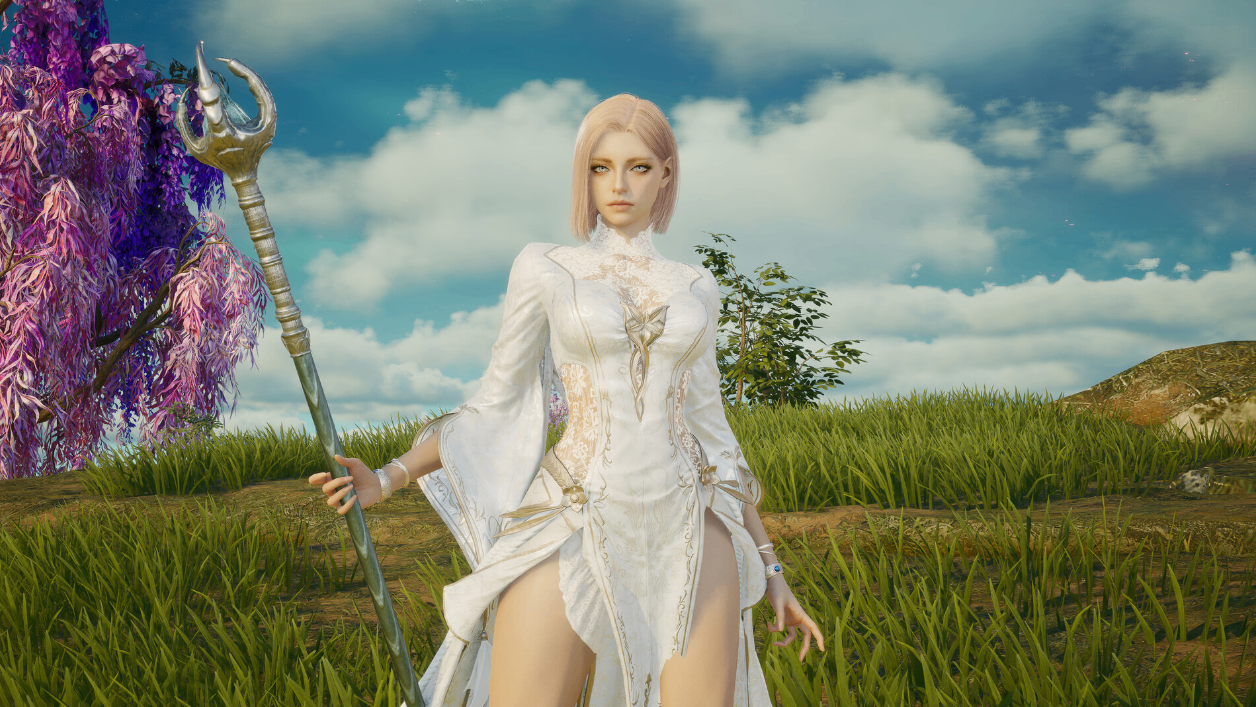
Aion 2 brings a large open world, aerial combat, and vertical gameplay that distinguished the original. Technical improvements via Unreal Engine 5 and expanded content volume offer genuine potential. Monetization decisions will heavily influence whether that potential translates into sustained populations.
NCSoft states the goal is long-term success rather than short-term extraction. The revealed systems still allow substantial real-money influence over the in-game economy. How strictly the company monitors the exchange, enforces fair play, and balances rewards for non-paying players will matter after launch.
Players interested in the title should review the full developer statements, test the systems during any available previews or early access, and decide based on their own tolerance for the economic model. Those focused purely on cosmetics and casual play may find the experience acceptable. Competitive or progression-focused players will need to weigh the cost of full market access and the availability of conversion options.
In the end, the confirmation removes much of the uncertainty. Aion 2 arrives free to play, supported by a $15 membership that unlocks the economy, dual currencies with player exchange, battle passes, and a cosmetics shop. The design prioritizes player choice in spending while embedding clear advantages for those who choose to invest. Whether this approach supports healthy long-term servers remains to be seen once global servers open in September.
For players already planning their approach, understanding how Aion 2 Kinah flows through the systems is essential. Efficient farming, smart market use, and awareness of the membership gate will shape the early experience. Some may ultimately decide to buy Aion 2 Kinah through the official exchange rather than grind exclusively, accepting the model as presented. Others will stick strictly to earned currency and adjust expectations accordingly. The choice is individual, but the systems themselves are now clear.


