Building a powerful character in Path of Exile 2 doesn't always require dozens of Divine Orbs. While many endgame builds demand expensive gear and highly optimized setups, this Gemling Legionnaire grenade totem build proves that strong performance can be achieved on an extremely limited budget.
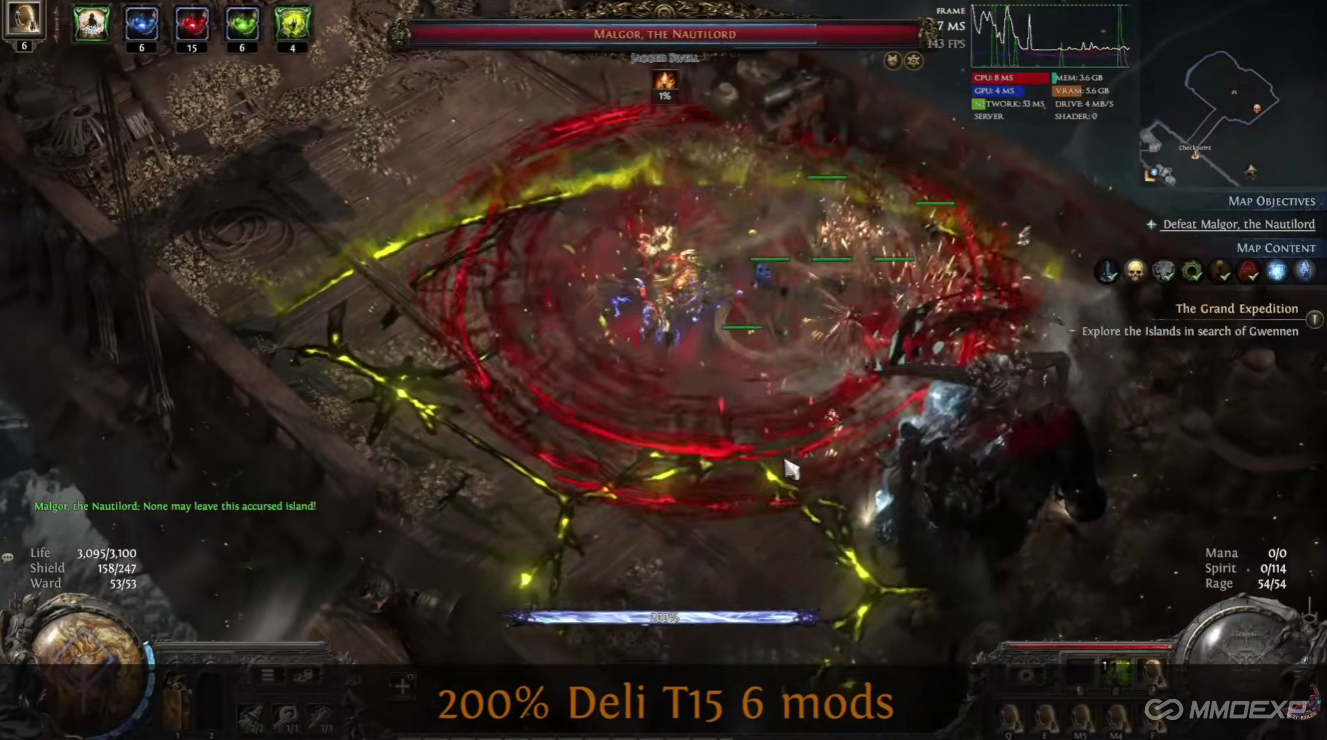
This setup focuses on using Plaster Grenade Totems combined with the Gemling Legionnaire ascendancy to create a character capable of clearing high-tier maps, Delirium content, Abyss encounters, and endgame bosses with an investment of roughly one Divine Orb. Thanks to excellent damage scaling, strong life recovery, and a simple one-button playstyle, it offers an accessible path into endgame progression.
Step 1: Start with a Budget-Friendly Gear Setup
The biggest advantage of this build is its low entry cost.
Begin by converting a single Divine Orb into Exalted Orbs and focus on purchasing inexpensive rare items that provide:
Maximum Life
Elemental Resistances
Chaos Resistance
Strength
Armour
Your first priority should always be capping elemental resistances. Chaos resistance is also valuable, especially for surviving endgame mapping content.
Unlike many high-budget builds, this setup doesn't rely on expensive uniques or specialized crafted items. Most gear pieces can be acquired cheaply while still providing enough power to begin farming high-tier maps.
The goal is simple: build a durable foundation before investing into damage upgrades.
Step 2: Build Around Plaster Grenade Totems
The entire build revolves around Plaster Grenade Totems.
Once the core skill is available:
Place your totems ahead of incoming enemies.
Allow the totems to automatically attack.
Reposition while the totems deal damage.
Replace destroyed totems when necessary.
Continue advancing through the map.
Because the totems perform most of the offensive work, the character can focus on movement and positioning rather than constantly attacking.
This creates a very comfortable playstyle, especially during difficult encounters where avoiding damage is more important than maximizing actions per minute.
Step 3: Prioritize Life Recovery and Survivability
Many totem builds struggle with sustain, but this setup addresses that weakness directly.
The defensive core revolves around:
High maximum life
Strong life recovery
Armour
Recovery mechanics from passive investments
Instead of relying heavily on life flasks, the build continuously regenerates and recovers health during combat.
As a result, minor mistakes are much less punishing, allowing players to remain active in dangerous content without constantly managing recovery resources.
When progressing through maps, focus on increasing survivability first and damage second. The base damage of the build is already strong enough to handle most encounters.
Step 4: Use the Passive Tree to Maximize Efficiency
The passive tree focuses primarily on scaling damage while maintaining strong defenses.
When allocating points:
Prioritize life and strength nodes early.
Invest into projectile and grenade damage clusters.
Take recovery-focused passives whenever possible.
Allocate additional defensive nodes if survivability becomes an issue.
Add specialized jewel sockets later as upgrades become available.
One particularly useful optimization involves reducing projectile speed. Slower projectiles can improve overlap from grenade explosions, significantly increasing single-target damage against bosses.
This upgrade isn't required initially but becomes valuable later in progression.
Step 5: Balance Your Support Gems
Support gem management plays an important role in maximizing the build's performance.
Instead of focusing entirely on one gem type:
Maintain a balanced distribution of support gems.
Fill remaining sockets with active skill gems when necessary.
Ensure all available bonuses are properly activated.
Continuously upgrade support gems as better versions become available.
This balanced approach allows the build to gain additional power without requiring expensive gear upgrades.
Even small gem improvements can noticeably increase both damage and survivability.
Step 6: Use Blood Magic for a Smoother Playstyle
Mana management often becomes a major problem for grenade-based builds.
To eliminate this issue:
Allocate Blood Magic.
Cast skills using life instead of mana.
Remove the need for mana flasks.
Focus entirely on positioning and combat.
Because the build already has strong life recovery, the life cost of casting skills becomes largely irrelevant.
This greatly simplifies gameplay and removes one of the most common frustrations associated with attack-based builds.
Step 7: Farm High-Tier Maps Efficiently
Once the build is assembled, it can comfortably handle difficult content.
A typical mapping strategy looks like this:
Enter the map and establish totems immediately.
Move through packs while placing new totems ahead.
Allow explosions to clear large groups of enemies.
Maintain movement to avoid dangerous mechanics.
Use recovery skills when additional defense is required.
The build performs particularly well in:
Abyss encounters
Delirium maps
High-density farming content
Endgame mapping
Boss encounters
Because the damage is largely automated through totems, players can focus on survival while still maintaining strong clear speed.
Step 8: Upgrade Gradually as Currency Becomes Available
One of the strongest aspects of this build is its scalability.
After accumulating currency:
Upgrade your weapon first.
Improve life and resistance rolls on gear.
Acquire stronger jewels.
Optimize support gems.
Improve defensive layers where necessary.
Each upgrade provides noticeable benefits without requiring a complete rebuild of the character.
Even though the build begins at roughly one Divine Orb, it continues to improve significantly with additional investment.
What Makes This Build Effective?
Unlike many budget builds that struggle in endgame content, this setup combines several strengths:
Extremely low starting cost
Strong boss damage
Excellent map clearing
High life recovery
Simple gameplay
Minimal resource management
Flexible progression path
The combination of automated damage and strong sustain makes it particularly attractive for players who prefer a relaxed mapping experience.
Final Thoughts
The One Divine Grenade Totem Gemling Legionnaire is one of the most cost-effective builds available in Path of Exile 2: Return of the Ancients. It offers enough damage to clear difficult content while maintaining strong defensive layers and an easy-to-manage playstyle.
For players looking to enter endgame content without making a major POE2 Currency investment, this build provides an excellent starting point. With proper gearing, balanced gem progression, and smart passive tree choices, it can comfortably farm high-tier maps while steadily generating the currency needed for future upgrades.