






Summary
Path of Exile 2 has already built a strong Early Access foundation, but its upcoming 1.0 launch also exposes several systems that still need improvement. Based on extensive experience with the campaign, Atlas, endgame mapping, crafting, and different builds, there are several recurring issues that could affect replayability and build diversity. For players who want to test multiple builds despite those flaws, buy POE2 Currency and gear up quickly.
Here are the biggest campaign, endgame, Atlas, and balance problems that should be addressed around the 1.0 launch.
Campaign Problems
The first campaign playthrough can be enjoyable, but replaying it on additional characters often feels much worse. Several mechanics make leveling slower and less flexible than it should be.
Movement and Dodge Roll
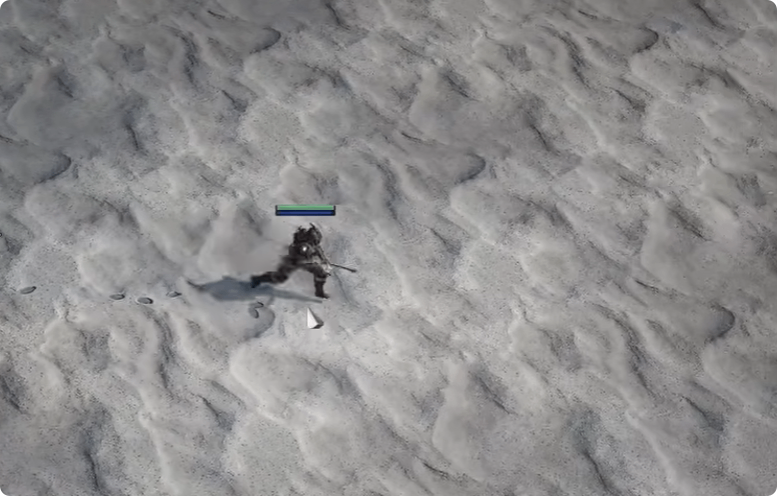
Sprint is particularly frustrating because relatively minor hits can cause a long knockdown. Players trying to move quickly can repeatedly lose momentum, while experienced players have little reason to use Sprint when other movement options can avoid this problem.
Dodge Roll creates another awkward interaction. Many early builds use an attack followed immediately by a dodge roll to cancel the ending lag of skills. This can turn combat into a repetitive attack-and-roll loop rather than fluid movement.
Better movement skills or a more useful Sprint system would make campaign combat feel considerably smoother.
Starter Skills and Late Unlocks
Several starting skills are weak without specific follow-up abilities. Fragmentation Rounds, for example, becomes much more effective when combined with freezing tools, while some other early skills deal less damage than basic attacks or require specific mechanics to function properly.
This can make new players believe a skill is bad when it is actually designed around a combination they have not unlocked yet.
Some powerful skills also arrive too late. Abilities such as Cluster Grenades, Plasma Burst, Siege Cascade, Flame Breath, and Eye of Winter can require reaching relatively high levels even though the campaign is nearly finished by then.
Giving players access to more core skills earlier would make replaying the campaign much more interesting and allow builds to actually feel like their intended builds while leveling.
Experience and Gear RNG
Experienced players who skip unnecessary monsters can become underleveled surprisingly quickly. This creates a strange incentive to clear large portions of every zone rather than rewarding efficient progression.
Early gear RNG is another problem. A strong weapon or caster item can create a huge damage difference compared with a poorly rolled alternative, making some early bosses dramatically easier or harder depending on luck.
Campaign crafting could help reduce this problem, but current Essence and other crafting options often feel too limited. More useful low-level crafting resources and more consistent vendors would give players better ways to correct bad RNG.
Endgame and Atlas Issues
The current endgame offers rewarding mechanics, but getting to the point where those mechanics become worthwhile can involve excessive preparation.
Atlas Progression
Early Atlas progression strongly encourages players to rush specific bosses and Atlas bonuses before seriously investing in mechanics such as Breach, Abyss, or Ritual.
The reason is that these mechanics can provide relatively poor rewards without enough Atlas investment. As a result, players can feel like they are wasting maps if they start experimenting too early.
Atlas progression could be more flexible by allowing players to unlock mechanic-specific points through actually playing those mechanics. Atlas respecs would also make experimentation safer, especially when some nodes are significantly less useful than others.
Cities and Tablets
Cities add another layer of preparation because they function partly as travel maps for setting up more valuable content. Their additional bonuses can also make the Atlas feel more restrictive by encouraging players to prioritize certain locations.
Tablets create even more friction. They have numerous modifiers and roll ranges, making them time-consuming to evaluate, craft, and trade. High-quality tablets can become expensive, while poor supply makes buying large quantities of the same type inconvenient.
Unlike simpler consumables, players may need to contact multiple sellers and deal with repeated transactions just to prepare one mapping strategy.
The number of tablet configurations can also become excessive. A single endgame strategy may require different setups for travel maps, Delirium, Breach, Waystones, and other content.
A simpler, more permanent system—or a major reduction in tablet complexity—could make juicing much easier to manage.