


Summary
Path of Exile's Blight of Contagion offers one of the most satisfying clearing experiences in the game, combining screen-wide area damage with the reliable scaling of chaos damage over time. This guide walks through a complete league-start progression, from early leveling through endgame farming strategies that can fund a Headhunter in under 30 hours—though if you ever find yourself short on the currency needed for key transition items like Cane of Unravelling or your six-link body armor, you can always choose to buy POE currency to smooth over those early gear hurdles and accelerate your progress through the Atlas.
Why Blight of Contagion Occultist?
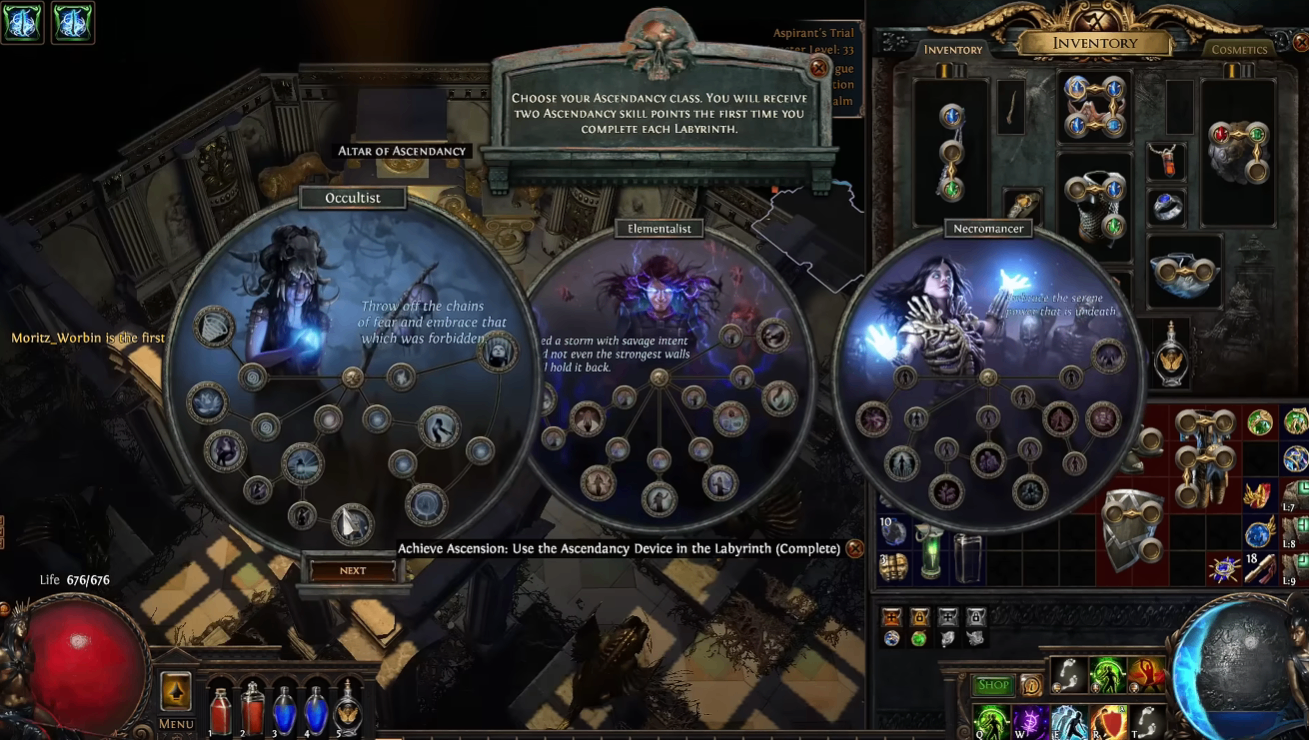
The Occultist ascendancy provides exceptional benefits for chaos damage over time builds. Strong damage nodes and additional scaling options make this the superior choice for a league start compared to Trickster . The 3.29 buffs to damage-over-time skills significantly improved the build's viability, with Blight of Contagion receiving a 13.5% damage increase alongside massive area-of-effect buffs to Contagion itself .
The build excels at clearing high-density content including Legions, Breach, Beyond, and Delirium. However, single-target boss damage remains a notable weakness, reaching only medium-endgame DPS without significant investment .
Leveling Strategy: Chaos Spellslinger
Since Blight of Contagion is a transfigured gem requiring access to the Divine Font in the Labyrinth, the build cannot start with the skill immediately . Instead, a Spellslinger leveling setup provides the fastest campaign progression for chaos damage-over-time characters.
The core leveling strategy utilizes Spellslinger to trigger multiple chaos damage skills with a single attack . This setup uses Frenzy as the triggering attack, which generates Frenzy charges while simultaneously casting linked chaos skills. A typical early arrangement includes:
Spellslinger linked with Contagion and Increased Area of Effect
Spellslinger linked with Essence Drain and damage supports
Frenzy linked with Greater Multiple Projectiles to trigger the spellslingers
This approach carries characters smoothly through the campaign and into early maps while waiting to transition to the main skill setup .
Core Skill Mechanics
Blight of Contagion is a channelling spell that applies a stacking chaos damage-over-time debuff to enemies in a cone in front of the caster . Key mechanics include:
Stacking System: The debuff can stack up to 6 layers while channelling, with each layer having its own duration .
Contagion Interaction: The damage debuff spreads to other enemies when targets die while affected by Contagion, creating the build's signature chain-clearing effect .
Secondary Hindering: Enemies not already debuffed by Blight are hindered, slowing their movement speed .
For clear, the rotation is simple: cast Contagion on a pack, then channel Blight of Contagion. The damage spreads rapidly across entire screens. For boss encounters, use Wither linked to Spell Totem Support to apply the powerful Wither debuff that increases chaos damage taken .
Transition to Blight of Contagion
The Cane of Unravelling unique staff serves as the build's primary weapon during the early mapping phase. Its recent rework provides +1 to maximum Power Charges, significant cast speed per Power Charge, and high base mana regeneration—all essential for sustaining the increased mana costs of the Blight of Contagion setup .
The gem itself can be obtained through the Divine Font in the last Labyrinth. Using a Facetor Lens on the gem provides a convenient leveling shortcut for those who have access to this reward room .
Endgame Scaling: Power Charge Stacking
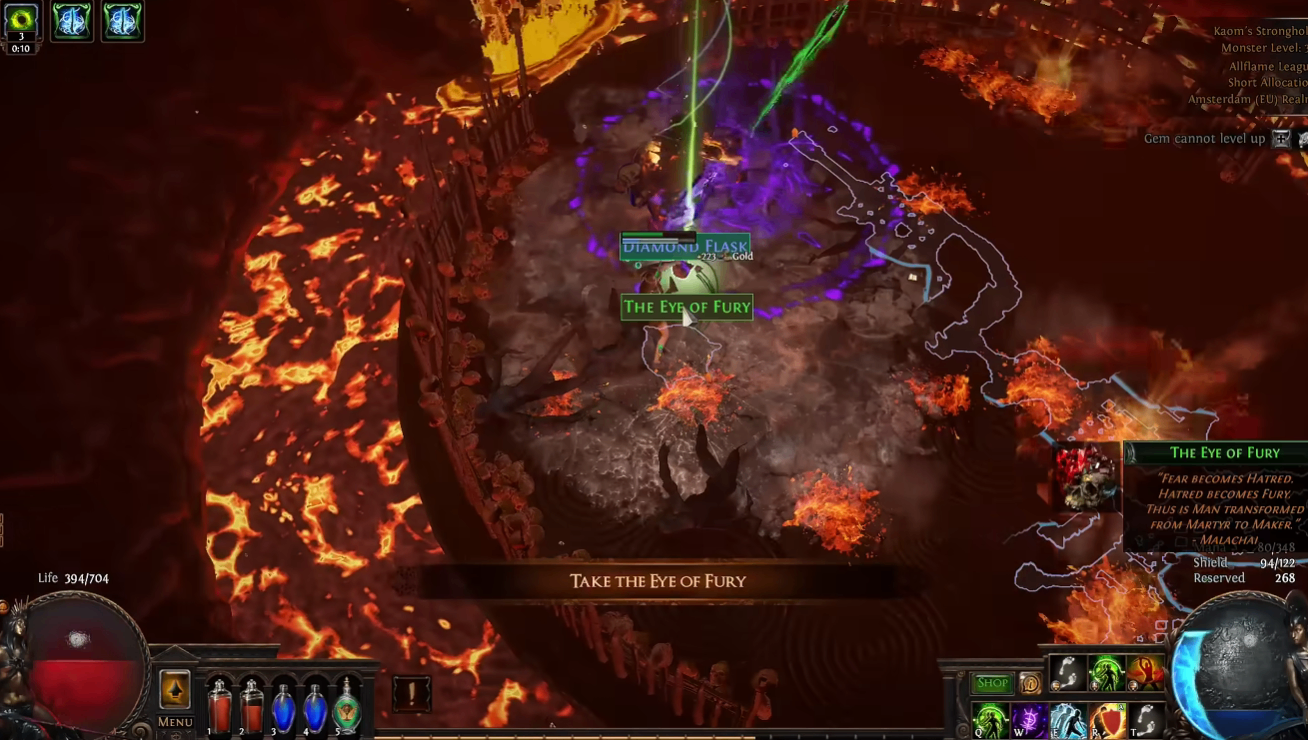
The build's endgame scaling revolves around Power Charge stacking. Key items include:
Badge of the Brotherhood: Provides benefits for both Power and Frenzy charges .
Ralakesh's Impatience: Enables permanent maximum Frenzy charges, significantly boosting damage output .
Inner Conviction: A keystone passive that grants more damage per Power Charge while preventing generating Frenzy charges, working synergistically with the charge-stacking items .
The Occultist's Forbidden Power ascendancy node provides additional damage per Power Charge, making this scaling path highly effective .
Farming Strategies
The build's exceptional clearing ability enables several high-profit strategies:
Stacked Deck Farming
Using Cloister Scarabs in eight-modded maps produces consistent profits. The clear speed against the dense monster packs in Cloister maps makes this strategy particularly effective . Combined with Beyond scarabs for extra monster density, this approach yields over 10 divines per hour with consistent raw Divine Orb drops .
Legion Farming
The massive area-of-effect from Contagion buffs enables clearing Legion encounters on day one without cluster jewel investment . However, Legion encounters have been bugged recently with some rare monsters unable to break out of stasis, reducing profitability .
Ritual and Delirium
Delirium content rewards cluster jewels that can sell for significant currency. The build handles Delirium fog well, though boss encounters at later waves become difficult due to single-target limitations .
Defensive Considerations
The build's primary weakness is defensive layers. Early mapping often feels "made of glass," though crafting better gear significantly improves survivability. Prioritize:
High-energy shield body armor crafted with Dense Fossils
Maximum elemental resistances and capped chaos resistance
Life nodes on the passive tree
Consider transitioning to Chaos Inoculation for endgame
Conclusion
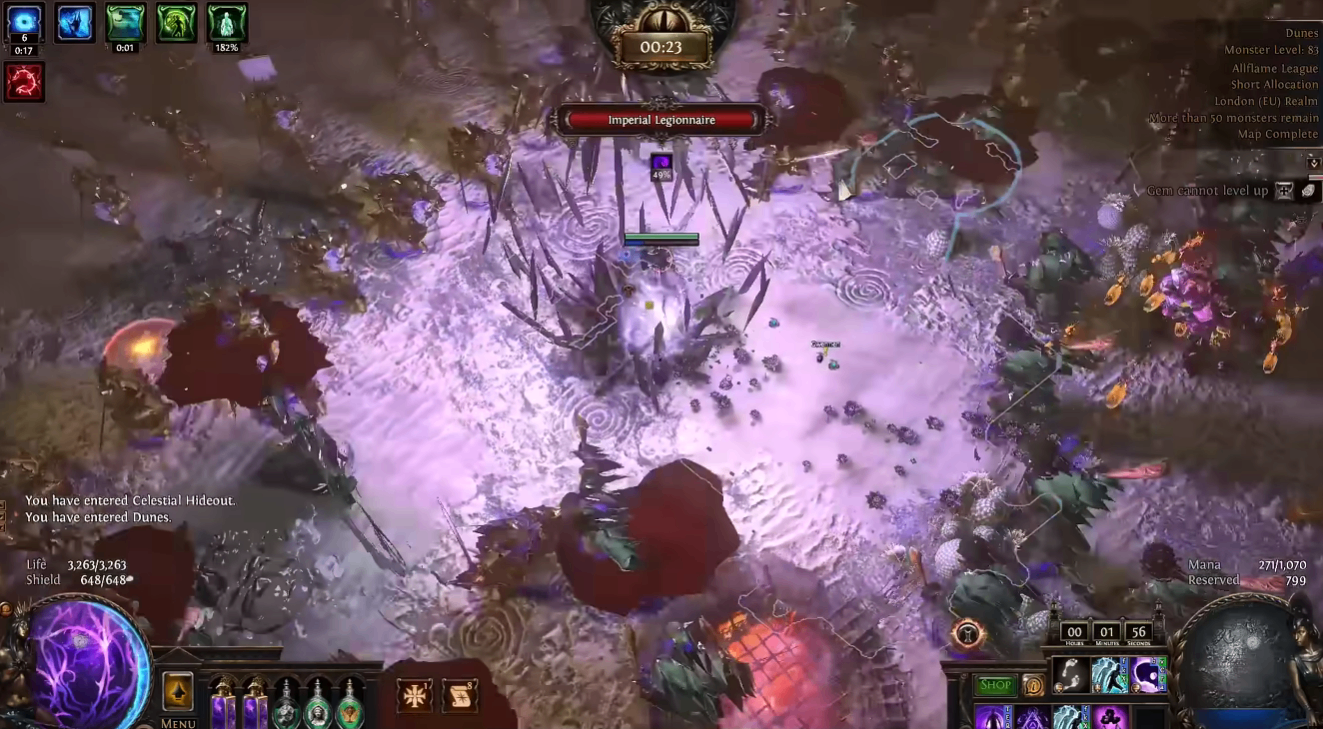
Blight of Contagion Occultist proves that spell-based league starters can compete with attack-based builds in terms of farming efficiency. The combination of exceptional clear speed, reliable damage scaling, and the ability to ignore most map modifiers makes this an excellent choice for players focused on high-density farming content.
While the single-target damage may never rival top-tier boss-killing builds, the build's mapping capabilities allow players to fund powerful endgame items through consistent currency farming. If you'd rather skip the grind, you can buy cheap POE currency to speed things up—but the build itself generates plenty of wealth through strategies like Stacked Deck farming and Legion clearing, as shown by the 30-hour Headhunter timeframe in this guide.