






Summary
This Star Citizen tech preview overhauls ship combat balance, introducing a 40% AI damage bonus for faster PvE takedowns while lengthening tactical PvP and capital ship fights. It features massive adjustments to shield health, armor values, weapon damage, shield regeneration and slapdown times, plus fixed multi-face shield recharge bugs. The updates restore strategic power management and weapon diversity. Players can buy Star Citizen AUEC to quickly acquire ship upgrades and resources amid these evolving combat meta changes.
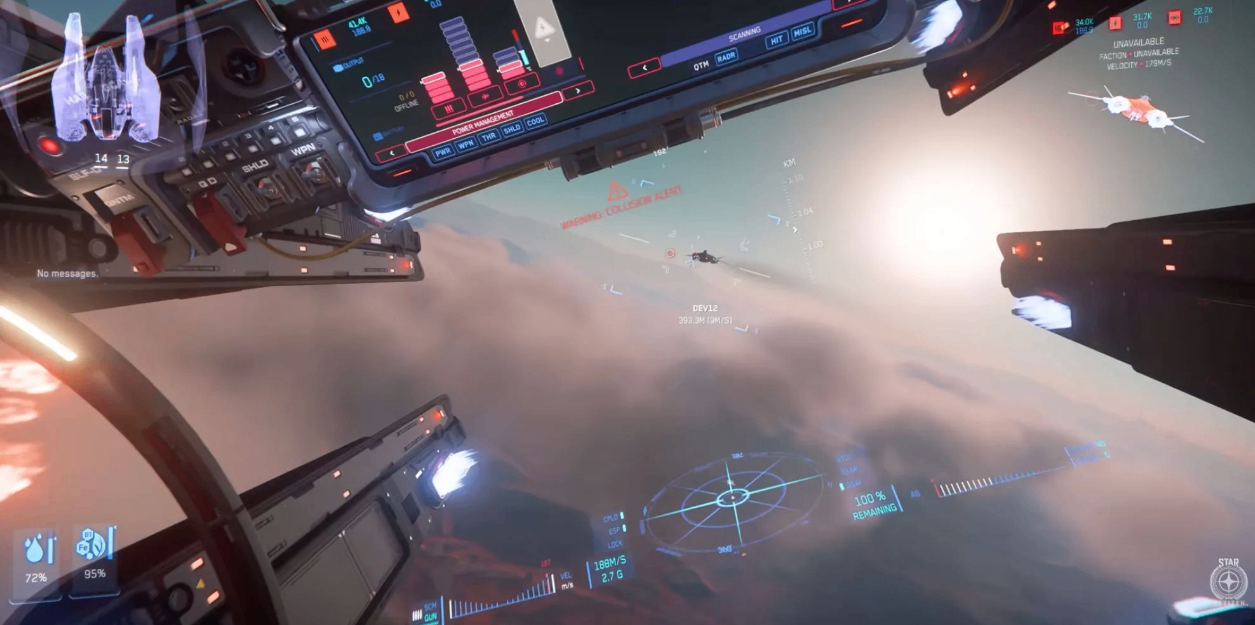
Cloud Imperium Games has rolled out a new tech preview focused on refining ship combat mechanics in Star Citizen. This third iteration builds on player feedback from earlier tests and introduces significant adjustments aimed at improving the overall feel of space battles, particularly in player-versus-environment scenarios.
These changes target time-to-kill, shield performance, armor values, and the balance between energy and ballistic weapons. Developers emphasize that the adjustments are experimental and designed to gather more data before any permanent implementation in the live environment.
Core Goals Behind the Latest Tech Preview
The primary objective is to ensure that roughly two-thirds of a typical engagement involves stripping an opponent's shields. The remaining third focuses on armor and critical components. This structure aims to create more tactical depth rather than purely aggressive, high-damage exchanges.
For PvE content, the team intends to maintain relatively short times to destroy NPC vessels. In contrast, times to destroy in player-versus-player encounters and against larger multi-crew or capital ships will increase. Feedback from the previous preview showed mixed reactions on capital ship durability, prompting further refinement.
Shield regeneration and "slapdown" times-the period before shields begin recovering-also received attention. Lowered regeneration rates and extended slapdown windows from earlier tests proved relatively successful, so those concepts carry forward in adjusted form.
Significant Numerical Adjustments
Shield health has seen a substantial boost, increasing by 134 to 212 percent depending on the ship. Armor health drops by around 30 percent on small vessels while rising by as much as 96 percent on capital ships. Alpha damage-the damage dealt by individual projectiles-rises by 145 percent across the board.
Armor deflection values increase accordingly: 145 percent against energy weapons and 80 percent against ballistic rounds. Shield resistances now range from 35 to 50 percent based on shield health and power distribution. Ballistic absorption varies between 0 and 80 percent depending on remaining shield strength.
Slapdown times double when shields take damage and increase by 70 percent once fully broken. Shield regeneration climbs by 95 percent while retaining previous debuffs relative to other systems. A bug that caused multi-face shields to recharge four times faster than intended has also been corrected.
These extreme value shifts stem from technical limitations. Critical component hit points cannot be adjusted quickly due to missing tools. Raising shield and armor health, then scaling damage upward, helps achieve the desired two-thirds shield focus without altering unavailable parameters.
Special Treatment for PvE Encounters
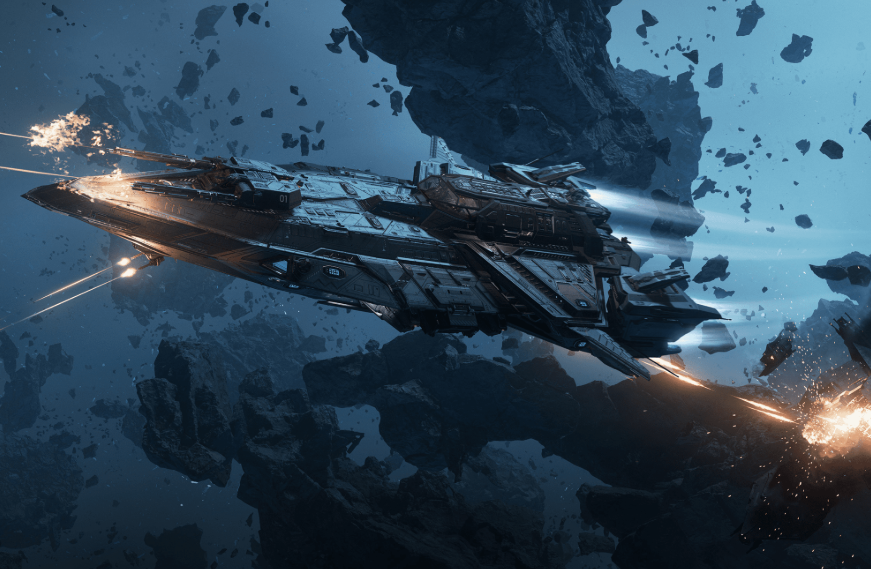
One of the most notable additions is an AI modifier applied exclusively to PvE. NPC ships now take 40 percent more damage. This creates a deliberate advantage for players facing computer-controlled opponents while preserving longer, more deliberate fights against other humans and capital vessels.
The change marks a shift from earlier design language that treated player and NPC ships as largely equivalent. With the modifier, pilots gain a clearer edge in combat missions, bounty hunting, and other environment-focused activities. Questions remain about whether the bonus applies strictly to AI-piloted hulls or changes if a player boards and flies an NPC vessel.
Developers note that the extreme numbers serve testing purposes. If the preview delivers the intended combat pacing, future work will seek more elegant solutions once better tools become available for component health.
Impact on Weapon Choice and Power Management
The adjustments aim to restore meaning to power distribution. Allocating more power to shields should noticeably improve resistance against ballistic fire. Energy weapons regain relevance after earlier tests unintentionally favored ballistics through lowered shield health and higher absorption.
Ballistic weapons still offer unique advantages, but the increased shield absorption and resistance values reduce their ability to punch through defenses as easily as before. Pilots must now weigh reload times, heat generation, and power demands more carefully.
What These Changes Mean for Everyday Play
Faster resolution of PvE fights could make combat missions more efficient. Players farming bounties or clearing hostile zones may complete objectives quicker, freeing time for other activities such as trading, exploration, or mining. Successful combat runs help accumulate Star Citizen AUEC, the in-game currency needed for repairs, fuel, ammunition, and ship upgrades.
Larger ships gain improved survivability against smaller attackers, encouraging multi-crew play and coordinated fleet actions. Capital vessels in particular benefit from higher armor pools, making them feel more substantial in prolonged engagements.
Some players may find the shorter PvE times less immersive, preferring longer, more challenging NPC fights. Others will welcome the reduced frustration of drawn-out skirmishes against multiple AI targets. The tech preview exists precisely to measure these reactions.
Looking Ahead and Gathering Feedback
Cloud Imperium Games stresses that all previous changes from the second tech preview have been reverted unless otherwise stated. The current build represents a fresh starting point informed by earlier data and internal testing. Controlled Gladius-versus-Gladius scenarios formed the initial baseline, followed by broader uncontrolled PvP and PvE sessions.
If the third preview succeeds, the team plans to refine the approach with more precise tools. Critical component health adjustments and further tuning of large-ship durability remain high priorities.
Players interested in testing the new balance can join the tech preview while it remains open. Feedback through surveys and Spectrum discussions directly influences the next round of adjustments. Whether the 40 percent PvE damage modifier becomes permanent or evolves into differentiated NPC loadouts remains to be seen.
In the meantime, the focus on clearer combat phases-extended shield phases followed by decisive hull damage-offers a promising direction. Combined with improved power management significance and differentiated PvE pacing, these updates could reshape how pilots approach both solo and group combat in the persistent universe.
For those looking to expand their fleet or stock up on resources after more efficient combat sessions, many choose to buy Star Citizen AUEC through established community channels to accelerate progress while the balance continues to evolve. The ongoing tests demonstrate Cloud Imperium's commitment to iterating on one of the game's most complex systems until it feels right for the broadest range of playstyles.