




Summary
Star Citizen Alpha 4.10 reworks the former temporary Siege of Orison event into a permanent, repeatable four-player instanced mission. Featuring redesigned platforms, improved cover, deadlier AI, structured phase progression and respawn beds, it delivers consistent tactical FPS combat against Nine Tails forces. Though minor technical glitches remain, it offers rewarding payouts. Players can buy Star Citizen AUEC to quickly acquire optimal gear and fully enjoy the refined team-based gameplay.
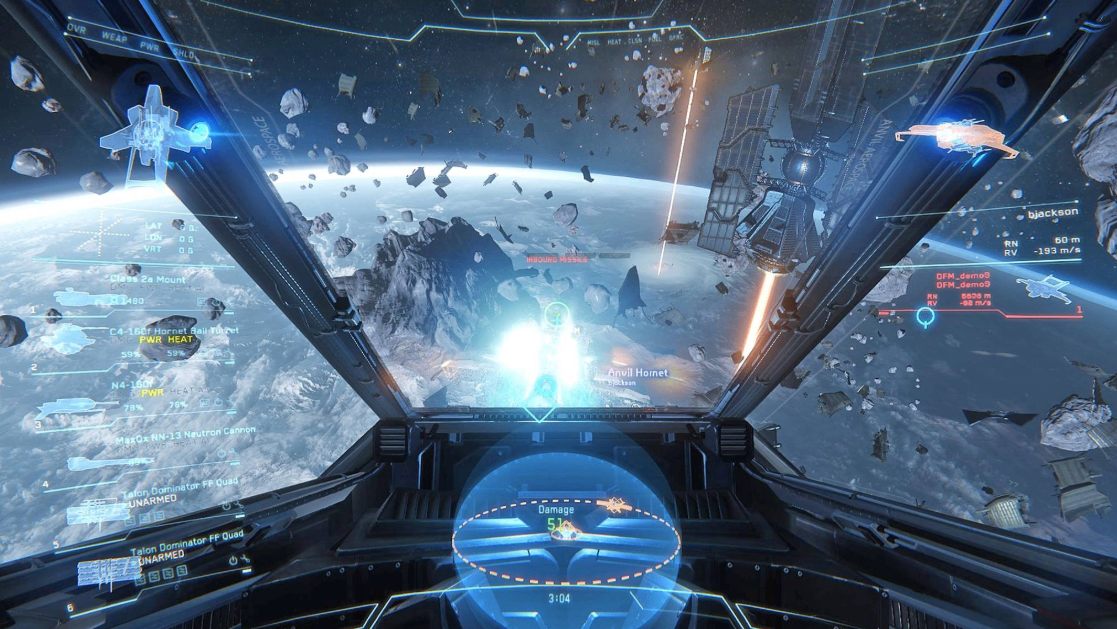
Star Citizen continues to refine its Persistent Universe with each major alpha update. One of the most notable changes arrives in Alpha 4.10: the return of Siege of Orison. What began as a large-scale dynamic event now returns as a fully redesigned, permanent, and repeatable mission. The new version focuses on focused FPS combat, improved consistency, and modern instancing technology.
Players who remember the original Siege will find a familiar setting but a very different experience. The mission no longer depends on open-world chaos or massive player crowds. Instead, it delivers a structured, team-based assault on Nine Tails-controlled platforms near Orison.
From Temporary Event to Lasting Content
The original Siege of Orison stood out as one of the more memorable large-scale activities in the game. Groups of players worked together to clear platforms and push back the Nine Tails. Timing, server conditions, and group size often determined whether the experience felt exciting or frustrating.
The new version addresses those issues directly. It appears in the mercenary tab under the name "Orison Platforms Under Attack." Clear mission markers and updated voice lines guide players from the moment they accept the contract. After the initial briefing, a shuttle takes the team toward the first platform.
A waiting lobby area now sits before the main operation. This space gives players a chance to form or join a squad before entering. The design encourages group play while keeping the experience controlled and consistent.
A Four-Player Limit for Better Consistency
One of the most significant changes is the group size restriction. The new instancing system limits each instance to a maximum of four players. Larger groups cannot enter the same private space.
This decision may surprise players who enjoyed the spectacle of big groups. In practice, large crowds often created problems. Some players died trying to board shuttles. Others arrived late and found objectives already completed. Experiences varied widely from one attempt to the next.
By limiting the mission to four players, the design ensures every participant can engage with the objectives. The party leader accepts the mission, and the rest of the squad receives it automatically. This simple change removes previous friction around contract acceptance and makes starting the activity much smoother.
How the New Instancing System Works
Instancing creates a private environment for each squad. After forming a group, players move to a security checkpoint through an elevator. This area doubles as a loading zone.
A scanning zone appears after exiting the elevator. Green lighting signals the correct instance. Red lighting indicates the wrong one. Passing through the zone tells the server to prepare a personal instance. A second scanner shows "standby" while loading and turns green when ready. The process feels like waiting for security clearance rather than a standard loading screen.
Once inside, the shuttle to the first platform is immediately available. There is no need to wait for a looping transport system. As the shuttle approaches, visual details build atmosphere: flak bursts, distant ship combat, and environmental effects. Players also gain a clear view of the three main platforms they will need to clear, improving their sense of scale and direction.
Stronger Map Design and More Dangerous AI
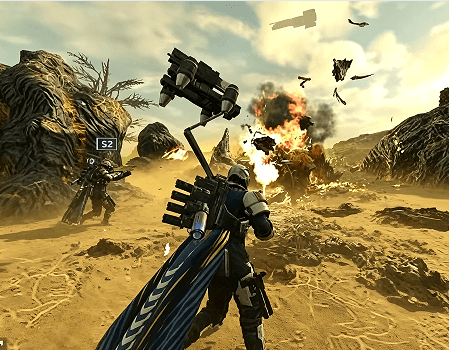
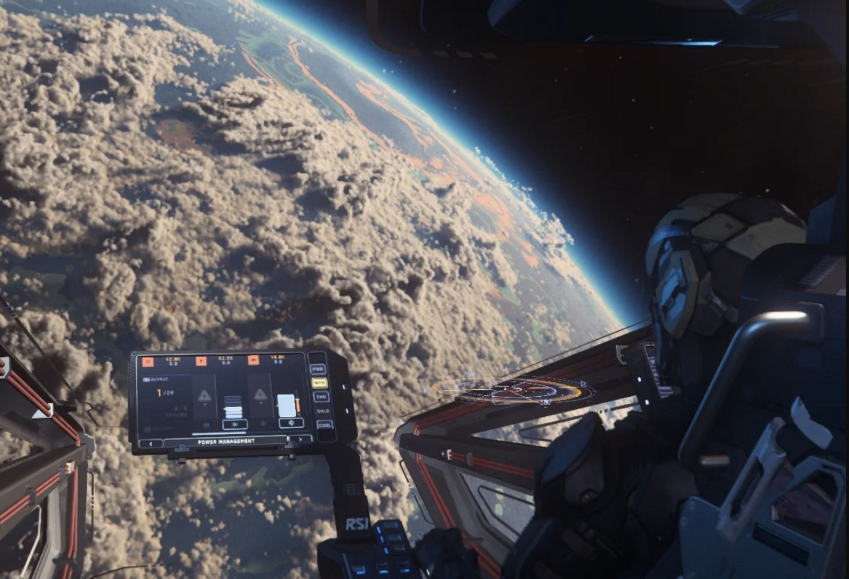
The platforms themselves have received substantial redesigns. Designers added far more cover than in the original event. Both players and NPCs now have additional places to take position or launch ambushes. Movement through the platforms feels more tactical and deliberate.
Enemy AI poses a greater threat. Improved server performance allows NPCs to react and push more aggressively. Because the instance focuses only on a small group, the AI concentrates its attention on those few players. Ambush angles increase, and enemies frequently fire from positions that are difficult to spot until it is too late.
Intentional set pieces raise the tension further. On the first platform, mortars impact around a central covered area. Players must move quickly through cover to avoid lethal hits. These moments reward careful positioning and teamwork.
Clearer Objectives and Phase Progression
Objectives have also improved. The mission guides players through multiple platforms controlled by the Nine Tails. Teams disable systems, clear hostiles, and advance toward a final confrontation with the gang's leader.
Phase checkpoints help maintain progress. If a player dies or the group needs to regroup, the mission does not fully reset. Med beds on the platforms support respawns within the instance, reducing the frustration of starting over from the beginning.
Memorable set pieces appear throughout the operation. Environmental details, escalating combat, and a sense of progression create a more polished experience than earlier large-scale events. A boss encounter at the end provides a clear climax that ties the platforms together.
Remaining Challenges
Despite the improvements, some frustrations remain. Technical issues can still interrupt the flow. Loading times, occasional instance glitches, and broader stability problems affect even this refined mission. Solo and duo attempts are possible but more demanding than a full four-player squad.
The absence of deeper on-site NPC interactions leaves room for future expansion. Voice lines and markers guide players effectively, yet in-person character moments would add further immersion.
Rewards remain a strong incentive. Completing the mission provides substantial payouts that help players build resources for ships, weapons, and equipment. Managing Star Citizen AUEC carefully becomes important when preparing loadouts for repeated runs.
Preparing for the Mission
Success depends on preparation. Coordinated teams of four perform best when members take clear roles-some focusing on combat, others on objective progress. Proper armor, weapons, and medical supplies make a noticeable difference against the more aggressive AI.
New weapons and armor introduced around the same update expand the available options. Players who want to accelerate their progress sometimes choose to buy Star Citizen AUEC so they can equip stronger gear more quickly and experiment with different approaches.
Because the mission is repeatable, teams can refine their tactics across multiple runs. Each attempt offers a chance to learn the layout, improve coordination, and experience the set pieces from new angles.
What This Update Means for the Future
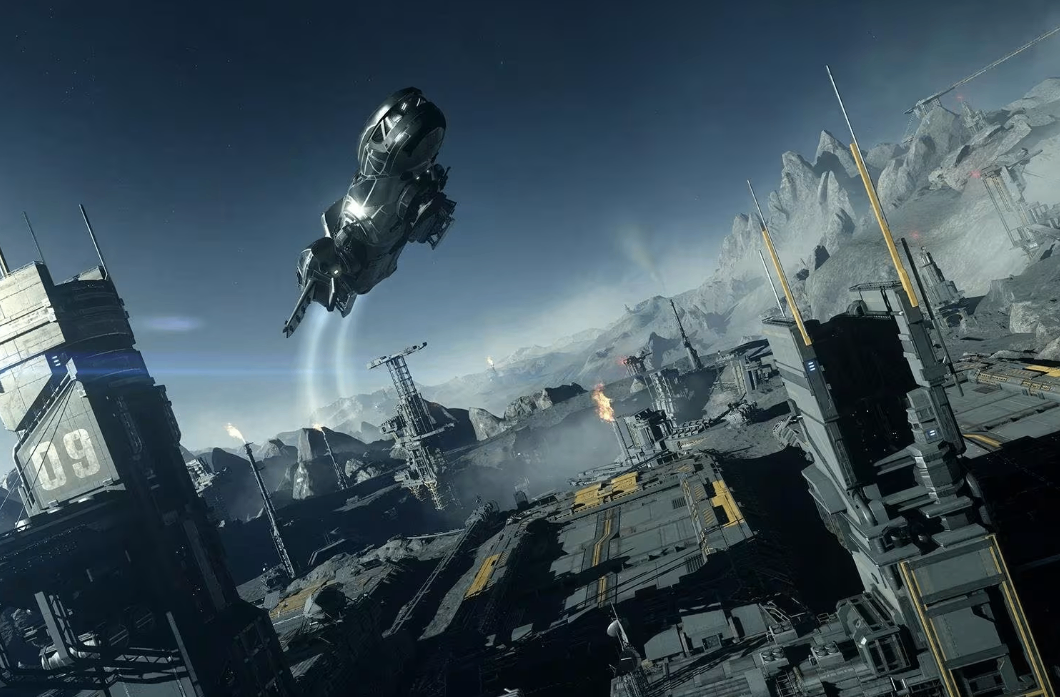
The redesigned Siege of Orison shows clear lessons learned from earlier events. By prioritizing consistency, stronger AI behavior, and intentional level design, the mission delivers a more reliable and engaging experience. The introduction of instancing technology also opens the door for more controlled, private content in the future.
The activity is not perfect. Technical hurdles and design compromises still exist. Yet the overall package ranks among the stronger mission offerings currently available in the Persistent Universe. When Alpha 4.10 arrives, players will find a focused FPS operation that captures the spirit of the original Siege while addressing many of its shortcomings.
Whether running with a trusted squad or testing smaller group sizes, "Orison Platforms Under Attack" gives citizens a compelling reason to gear up and head to the floating platforms near Crusader. The mission rewards preparation, teamwork, and persistence-qualities that remain central to survival in the Star Citizen universe.