





Summary
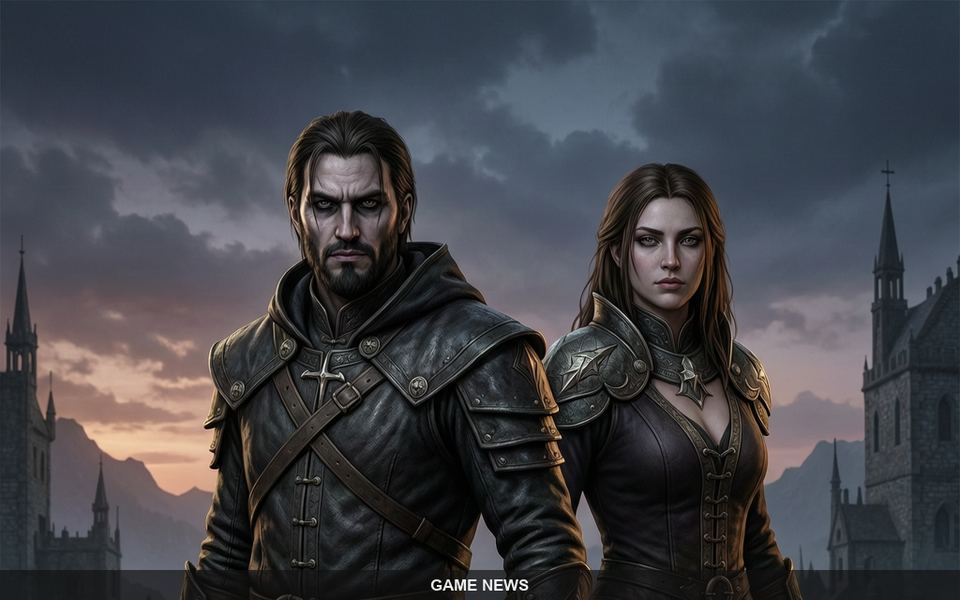
Recent industry reports indicate that The Blood of Dawnwalker was developed on a budget of approximately $40 million. This figure has sparked debate regarding whether the project is underfunded for its scope or strategically optimized to prioritize specific design pillars over sheer volume.
What Changed
What Changed
The revelation of this budget sets a clear baseline for expectations. Unlike triple-A titles commanding hundreds of millions, this game appears to operate on a tighter economic framework. The development team likely focused resources on high-impact areas such as environmental storytelling and core combat mechanics rather than sprawling, unpopulated map expansion. This shift in resource allocation suggests a deliberate choice to favor density and detail over breadth.
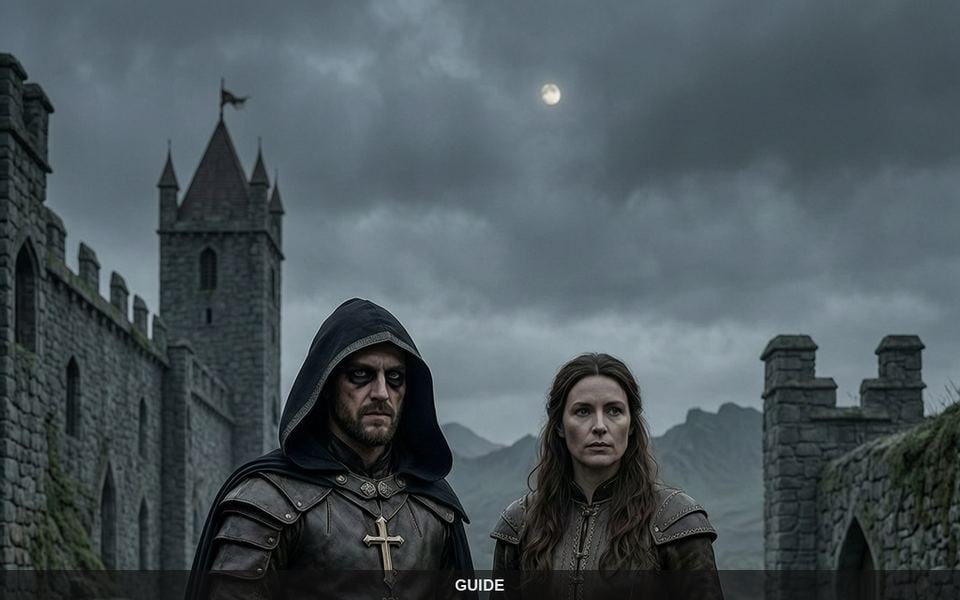
Why It Matters
A constrained budget forces creative discipline. For players, this often translates into more polished systems and fewer technical debts common in larger open-world projects. The focus shifts from "how big is the world?" to "how does the world feel?" High-fidelity interactions within smaller zones can create a more immersive experience than vast, empty landscapes. This approach allows for nuanced narrative beats that might get lost in larger productions.
Resource Allocation Strategy
Understanding where the money went helps predict gameplay quality. Typically, such budgets prioritize:
- Core Mechanics: Ensuring combat and movement feel responsive.
- Narrative Assets: Voice acting, writing, and cinematic sequences.
- Environmental Detail: Lighting, texture quality, and interactive objects.
Who Should Care
This news is relevant for fans of story-driven RPGs who value depth over scale. Players frustrated by bloated open worlds may find this leaner approach refreshing. Additionally, developers and analysts monitoring indie-adjacent AA productions will look at this title as a case study for efficient large-scale development.
Pros and Cons
Pros:
- Higher polish per square mile of content.
- Tighter narrative focus without filler quests.
- Reduced risk of performance issues due to optimized assets.
Cons:
- Potentially shorter total playtime compared to AAA giants.
- Limited variety in enemy types or biomes.
- Fewer post-launch support resources available initially.
Budget Breakdown Estimation
While exact figures are private, we can estimate the distribution based on typical AA development standards for an action-RPG.
| Category | Estimated Allocation | Impact |
|---|---|---|
| Development Team | 50% | Ensures cohesive vision and rapid iteration. |
| Art & Environment | 30% | Creates visual fidelity and atmospheric depth. |
| Marketing & QA | 20% | Supports launch visibility and bug fixing. |
What To Do Next
If you are eager to dive into this world, prepare your system accordingly. Since the budget prioritizes asset quality, graphical settings will matter significantly. Follow these steps to optimize your experience:
- Check minimum and recommended hardware specs before pre-ordering.
- Adjust in-game graphics to balance visual fidelity with frame rate stability.
- Explore community guides early to identify hidden narrative cues.
- Manage inventory efficiently, as tight budgets often correlate with strict resource scarcity mechanics.
- Monitor patch notes for updates on performance optimizations.
Final Thoughts
A $40 million budget is not a limitation but a filter. It strips away excess to reveal what truly matters in game design: coherent storytelling and engaging mechanics. If executed well, this project could redefine expectations for mid-tier open-world experiences.
Is it worth it? Yes, if you appreciate crafted details over massive scale. Keep an eye on reviews focusing on narrative cohesion and combat responsiveness to gauge success.