Weekend Drop -











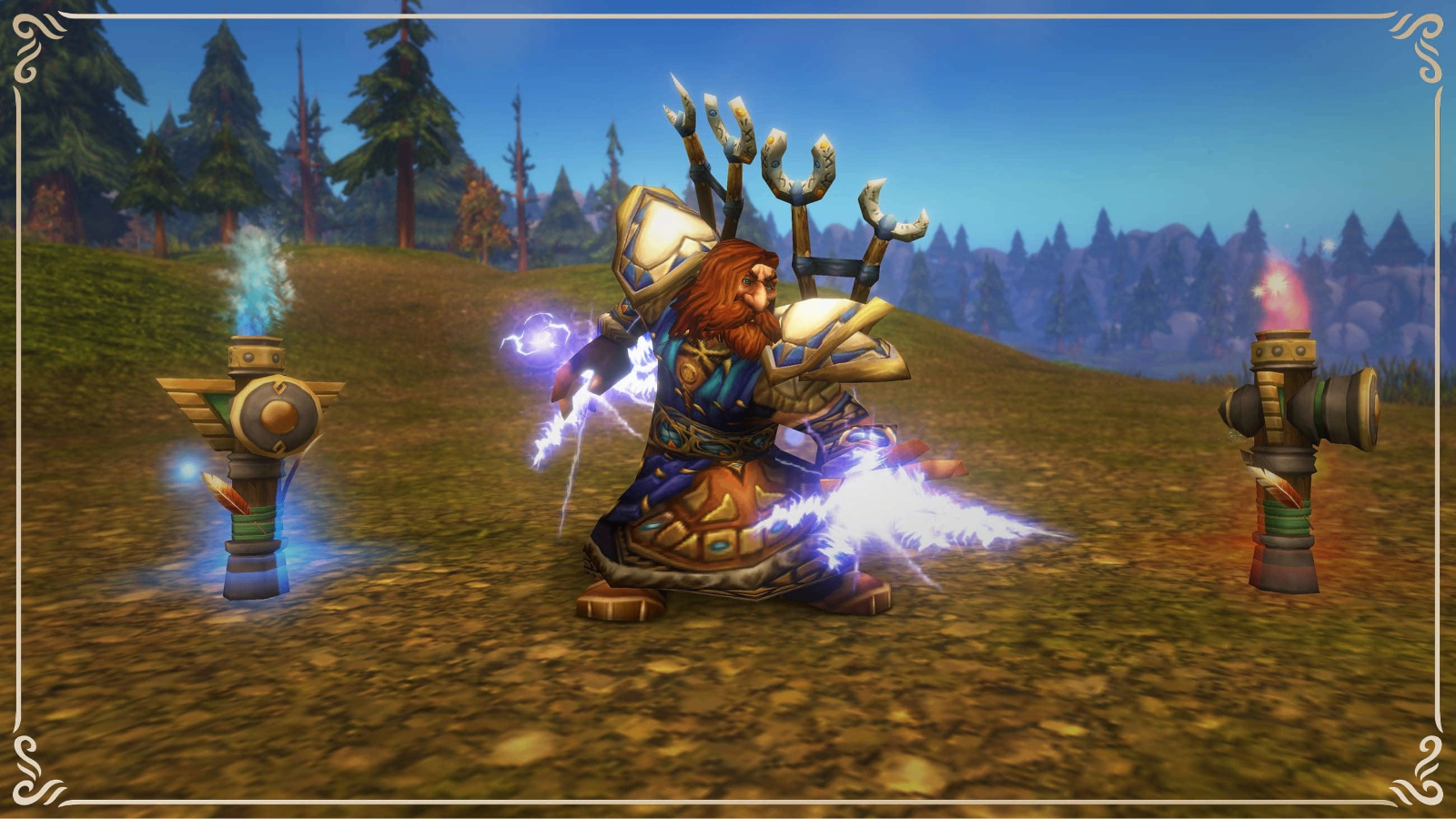
World of Warcraft: Forever reworks Shaman across all three specializations, with easier totem management, a two-handed Enhancement playstyle, new Elemental attacks, and more healing options for Restoration. The class still combines damage, healing, weapon imbues, and group support, but several familiar Classic abilities now work differently.
Totem presets and repositioning reduce repeated setup. Enhancement gains a more frequent Stormstrike and talents that make Intellect useful for melee damage. Elemental gains Lightning Overload and Lava Burst, while Restoration adds Water Shield and Riptide to its healing toolkit.
For solo melee leveling, Enhancement offers earlier Stormstrike access and lower-cost Shocks. Elemental suits ranged casting, while Restoration's healing tools are most useful when you regularly heal a group.
The current Beta has a level-30 cap, so later talents explain the announced class design rather than a full combat sequence you can already use.
1. Choose Your Shaman Specialization
The differences between WoW Forever Shaman specializations are most useful when considered alongside your equipment and the abilities currently unlocked. A future talent package should not be used to judge a level-30 character as though it already has every tool.
Enhancement and Elemental Leveling
Enhancement is a reasonable starting point for solo leveling if you enjoy weapon-based combat. Earlier Stormstrike access and Shamanistic Focus support a rhythm of melee attacks and selected spells. Keeping your weapon updated matters, while Improved Ghost Wolf helps with travel between objectives. When budgeting WoW Forever Gold for leveling gear, weigh a weapon's upgrade cost against how long you expect to use it.
Elemental suits players who prefer ranged casting and have equipment that supports spell damage. Earlier cast-time talents improve access to its basic playstyle, but watch recovery time as well as damage. Frequent drinking, repeated defensive healing, or difficulty finishing a second enemy are reasons to adjust spell use and equipment before committing more points to the same approach.
Restoration is suited to players regularly healing groups. Its healing talents have clearer immediate value in that setting than during a session spent mostly defeating quest enemies alone.
Main Activity | Specialization to Consider | What to Check First |
Solo questing with melee combat | Enhancement | Weapon quality, Shock spending, access to Stormstrike |
Ranged questing and caster damage | Elemental | Spell-damage gear, casting time, recovery between pulls |
Regular group healing | Restoration | Healing demand, mana regeneration, available shield |
Temporary small-group tanking | Experimental Enhancement setup | Rockbiter threat, survival, group agreement and pull size |
Current Beta and Later Talents
At level 30, choose a main-tree goal before spending points across multiple specializations. Shamanistic Focus and Water Shield are 11-point talents; Stormstrike and Mana Tide Totem are 16-point talents; Earthbound and Spirit Weapons are 21-point talents. These milestones belong to different trees, so a character cannot assume that every one is part of a single leveling setup. Early points spent elsewhere delay the main-tree goal.
Lava Burst, Rage of the Farseer, and Riptide are 31-point talents. Maelstrom Weapon sits in row 6. Treat them as later additions when comparing specializations, and assess your present character using the tools actually available.
2. Totem Timing and Positioning
Shaman totems in WoW Forever are easier to deploy and move, although choosing the right elements and placing them near the fight remains part of the class. Presets help with repeated dungeon setups, while individual casts remain useful when you only need one effect.
The totem global cooldown is now 1 second instead of 1.5 seconds. Persistent-buff totems last 5 minutes instead of 2; shorter-duration totems retain their own durations. When a group stays in the same area, check the tracking interface before replacing an active buff totem. Recasting it after every enemy wastes mana without necessarily adding a new effect.
Call Spells and Totem Presets
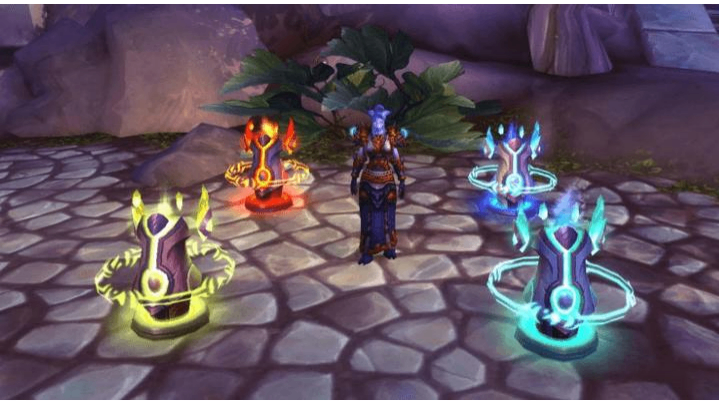
Call of the Elements unlocks your first four-totem preset at level 20. Call of the Ancestors adds a second preset at level 30, while Call of the Spirits unlocks a third at level 40, beyond the current Beta cap.
Each preset contains one totem per element. Prepare different sets for recurring group needs, then change individual choices when an encounter requires different utility.
The summon has a 3-second cast time. That makes it convenient before a pull, but less suitable when an enemy is already attacking and you urgently need a specific totem.
A preset also costs the combined mana of its totems; it does not make a full set free. For a short solo fight, placing only the effects you need can leave more mana for attacks and healing.
Totemic Recall and Projection
Totemic Recall, learned at level 20, removes your active totems and returns 25% of their mana cost. Earlier Beta documentation mentioned a refund bug, but the official development notes now list a fix. Recall is useful when leaving a cleared area and preparing to place a fresh set elsewhere.
Totemic Projection, learned at level 22, moves your active totems to a new location within 30 yards. It has a 1-minute cooldown and costs 25% of base mana before applicable reductions. If a dungeon group advances around a corner after you have placed your totems, moving the existing set can restore their usefulness. Projection moves them; Recall removes them. Keep the two abilities on separate, accessible buttons.
For example, prepare useful group totems before a stationary dungeon pull. If the tank moves the pack while the totems still have substantial time left, compare Projection's cost with replacing the totems you need.
If only one effect matters, a single new totem may be sufficient. Projection's convenience does not make it the lowest-cost option in every situation.
You can also dismiss an individual totem through its tracking interface. That gives you a way to remove an unwanted totem while keeping the rest of your setup active.
How Fire Nova Works
Fire Nova is now an ability that erupts from your active Fire Totem. You place a Fire Totem first, then cast Fire Nova to damage nearby enemies at that location. The old process of placing a dedicated Fire Nova Totem and waiting for its explosion no longer applies.
The damage originates at the totem, so your own distance from a pack does not tell you whether the enemies are inside the explosion. Position the Fire Totem near the intended targets and move it if the fight shifts. Improved Fire Nova supports this playstyle by increasing the spell's damage and reducing its cooldown.
3. Windfury, Imbues and Ghost Wolf
Several WoW Forever Shaman changes affect every specialization. Windfury support no longer follows the old temporary-enchant routine, weapon imbues last much longer, and Improved Ghost Wolf offers movement benefits beyond outdoor travel.
Windfury and Group Buffs
Windfury Totem now provides a party buff instead of the brief weapon enchant that encouraged Classic totem twisting. The repeated Windfury-to-Grace-of-Air swap is no longer the same method of maintaining both benefits: Windfury and Grace of Air are mutually exclusive.
Windfury also conflicts with Flametongue Totem, and a Shaman using Windfury Weapon cannot receive Windfury Totem benefit.
For a melee-focused group, Windfury is an obvious buff to discuss before pulling. The important distinction is between the group's totem benefit and your personal weapon imbue. They are separate abilities, with compatibility rules that prevent simply adding every damage buff together.
Resistance Totems now provide their resistance bonus to the raid rather than only your party. Tranquil Air Totem has been removed, so older Classic instructions that include it need updating.
Longer Weapon Imbues
Weapon imbues now last 60 minutes instead of 5. This applies to Frostbrand Weapon, Flametongue Weapon, Rockbiter Weapon, and Windfury Weapon, reducing how often you need to refresh them during questing or dungeon runs.
Rockbiter also interacts with Spirit Weapons in Enhancement tree. With Rockbiter active, that talent increases threat; without Rockbiter, it reduces threat. A damage dealer should pay attention to this distinction before joining a group, especially after experimenting with a tanking setup.
Improved Ghost Wolf
Improved Ghost Wolf takes two talent points to reach its instant form. The first rank permits indoor use and shortens the cast by 1 second; the second makes the transformation instant. Ghost Wolf provides a 40% movement-speed increase.
For Enhancement, these points count toward progression in the tree you are already using. For Elemental or Restoration, reaching this talent also requires investing in Enhancement tree first. That investment delays milestones in your main specialization.
If your immediate goal is reaching Earthbound or a healing milestone, reach that goal before diverting points for movement. If travel and repositioning are your main problems, the mobility investment may be more useful. The price includes both its ranks and the points required to reach it.
4. Enhancement Talents and Combat
WoW Forever preserves two-handed Enhancement instead of turning the specialization into the familiar dual-wield version from later expansions. Its talents support a mix of weapon attacks and spells, with a shorter Stormstrike cooldown and a greater role for Intellect.
Intellect and Mana Efficiency
Mental Dexterity converts a percentage of Intellect into Attack Power. Mental Quickness also converts Intellect into spell damage and healing. Together, they make the stat useful for more than simply expanding your mana pool: it contributes to both sides of Enhancement's hybrid toolkit.
Shamanistic Focus reduces the mana cost of Shock spells and Lightning Shield by 45%, without requiring a proc first. This helps with the spells used regularly alongside your weapon attacks. It does not reduce the cost of every ability, so repeated totem setups and emergency healing still need a mana allowance.
A weapon upgrade remains important to a melee specialization. When allocating WoW Forever Gold, compare the cost of a useful two-handed weapon upgrade with smaller improvements across your other equipment slots.
Consider Intellect alongside each item's other useful stats; the new conversions do not establish one universal stat order for every level and encounter.
Stormstrike and Its Follow-Up
Stormstrike now has an 8-second cooldown instead of 20 and sits earlier in the talent tree. It increases the damage of your next Lightning Bolt, Chain Lightning, or Earth Shock by 20%. Use that interaction deliberately by following Stormstrike with an appropriate qualifying spell.
Improved Stormstrike adds mana regeneration while casting and can reset Stormstrike's cooldown when you dodge or parry. The avoidance interaction is especially relevant when enemies are attacking you.
A damage dealer standing behind a boss should not expect the same reset opportunities as a Shaman taking melee hits.
Maelstrom Weapon and Farseer Rage
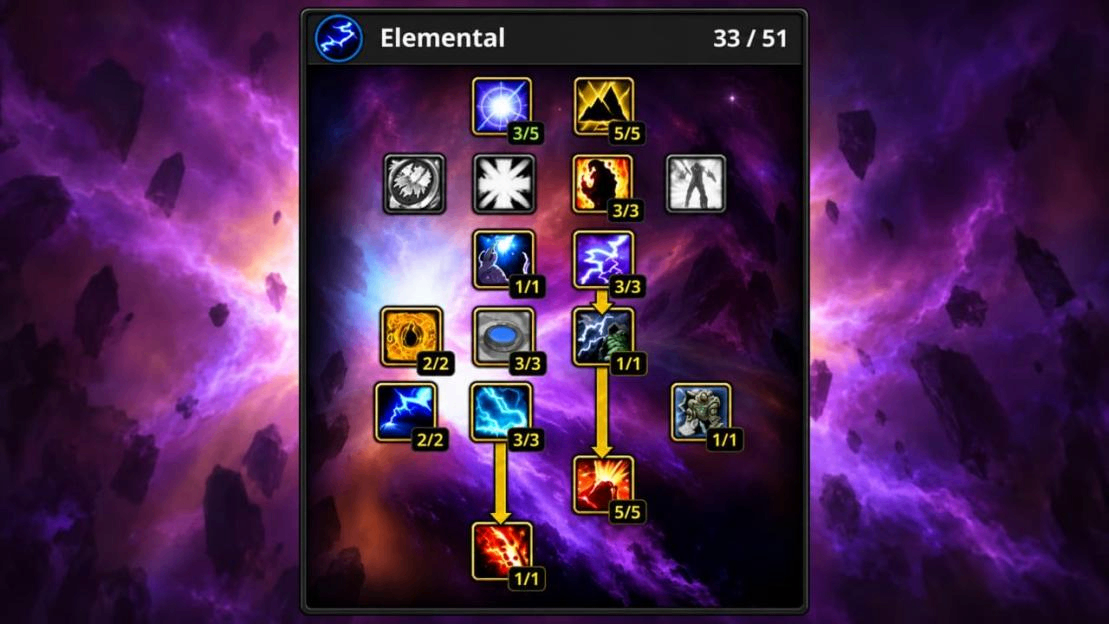
These deeper talents extend the melee-and-spell pattern after the level-30 Beta stage.
Maelstrom Weapon lets melee attacks build charges that shorten your next Lightning Bolt cast. With sufficient ranks and charges, Lightning Bolt becomes instant. Track the effect before committing to a cast; its stated interaction is with Lightning Bolt, so it should not be treated as a general instant-healing proc.
Rage of the Farseer is a personal attack-speed cooldown lasting 25 seconds, with a 3-minute cooldown. It supports a period of sustained melee attacks. Activate it when you can stay in range and keep attacking, rather than just before an enemy becomes unreachable or a pull ends.
The resulting combat pattern combines weapon swings, Stormstrike, a qualifying follow-up spell, and proc-driven Lightning Bolts. Keep enough mana available to heal when needed, and use the cooldowns your current talent investment has actually unlocked.
For the current Beta, build the core around Shamanistic Focus and Stormstrike before treating deeper talents as part of your routine. Against one enemy, use Stormstrike and follow with Earth Shock when you want its qualifying damage benefit and can afford the spell.
Chain Lightning is learned at level 32, beyond the current level-30 cap; its Stormstrike interaction belongs to later leveling. Do not insert a hard-cast Lightning Bolt solely because it qualifies when staying in melee and using an available instant attack better fits the fight.
Maelstrom Weapon is a row-6 talent, and Rage of the Farseer is a 31-point talent. Both belong to later progression rather than the standard level-30 package. Plan early equipment and spell spending around the skills available now; add charge tracking and the attack-speed cooldown after unlocking them.
5. Elemental Talents and Combat
Elemental Shaman in WoW Forever remains a ranged caster built around lightning spells and critical damage. Its revised tree brings cast-time reduction earlier, makes protection against spell pushback more reliable, and adds a fire spell interaction through Flame Shock and Lava Burst.
Casting and Control Talents
Elemental Alacrity appears earlier in the tree than the old cast-time talent, allowing a leveling caster to improve casting speed sooner. Eye of the Storm now provides ongoing resistance to damage-induced spell pushback for the affected spells, instead of requiring you to suffer a critical hit first. Pushback protection helps when an enemy reaches you, although it does not prevent an opponent from interrupting a cast.
Before talent reductions, Lightning Bolt rank 4 and above now have a 2.5-second cast instead of 3 seconds. Chain Lightning's base cast time is 2 seconds instead of 2.5, but the spell is learned at level 32 and is unavailable within the current Beta cap.
Both spells also have lower spell-power coefficients: each cast gains less damage from a given amount of spell power. Shorter casts therefore do not establish an equivalent increase in damage output. Consider casting speed, damage per cast, and mana spent together when evaluating the changes.
For an early caster setup, prioritize improving the lightning casts you repeatedly use.
Choose pushback protection when enemies regularly reach you before you finish casting; prioritize mana-support options when recovery between pulls is the greater restriction. These solve different problems.
Neither movement talents nor extra damage alone will remove the need to recover after spending your mana pool.
Earthbound changes Earthbind Totem into an opening control tool: placing it immobilizes nearby enemies for 5 seconds. This can create space to move or begin casting when several enemies approach. Elemental Reach extends Flame Shock's range as well as supporting the specialization's longer-range casting toolkit.
Lightning Overload and Lava Burst
Lightning Overload gives Lightning Bolt and Chain Lightning a chance to produce a second copy dealing half damage with no additional mana cost or threat. Its value comes from extra casts generated by the spells you already use; the effect is a chance-based proc, so it is not a guaranteed second hit on every target.
Lava Burst deals 20% additional damage when the target has your Flame Shock. That is different from the guaranteed-critical-strike interaction familiar from Wrath. Once you have the talent, apply Flame Shock before Lava Burst when the target will survive long enough for the combination to matter.
Elemental Mastery has been removed. Older burst instructions built around its guaranteed critical strikes do not transfer directly to Forever, particularly in PvP.
Elemental Combat Priorities
During the level-30 Beta, base your combat sequence on the lightning spells and control tools you have unlocked. Start a manageable pull from range, continue casting while the enemy approaches, and use available control to create space when needed. A nearly defeated enemy may need only a finishing attack rather than a fresh damage-over-time setup.
Lava Burst is a 31-point talent beyond this Beta's normal leveling scope. After unlocking it in later progression, maintain your Flame Shock on a durable target, cast Lava Burst when available, and fill the remaining time with lightning spells.
Fire Nova adds an option against groups, while Chain Lightning joins the toolkit at level 32. Using more area damage also changes your mana consumption and threat.
Avoid treating every available spell as something to press on cooldown during a short fight. If a target is nearly defeated, another long setup may achieve less than finishing it with your existing attack sequence.
Spell-damage gear supports the caster playstyle, while Intellect gives you a larger mana pool. Check both how quickly you defeat enemies and how often you stop to recover. A stronger individual hit does not automatically produce a smoother leveling session if you exhaust your mana after every pull.
6. Restoration Healing and Mana
Restoration Shaman in WoW Forever gains more ways to recover mana and respond while moving. Chain Heal remains part of its identity, while Water Shield and Riptide add separate resource and healing decisions.
Mindfulness and Water Shield
Mindfulness allows part of your mana regeneration to continue while casting. It supports longer healing sequences, and its accessible position also makes it relevant to caster builds investing outside Elemental.
Mana Tide Totem has moved from a 31-point talent to a 16-point talent, making it a group mana-recovery option within level-30 progression if you invest sufficiently in Restoration. Consider it when repeated dungeon pulls leave the group's mana users struggling to recover. Unlike the later Riptide talent, it can be part of your current Beta healing setup; points spent outside Restoration can delay reaching it.
For a leveling group healer, establish a sustainable healing setup before investing outside Restoration for movement. Water Shield supports eligible mana-return triggers, while Mindfulness supports regeneration during casting.
Neither replaces choosing a heal that fits the damage: repeated healing on a nearly full-health ally can spend resources without solving a group problem.
Water Shield has three globes and restores 2% of maximum mana when an eligible incoming attack or healing critical strike activates a globe.
It does not provide the passive mana-per-five regeneration associated with the Burning Crusade version. Only one Elemental Shield can be active at a time, so Water Shield and Lightning Shield are alternatives.
Keep track of your remaining globes during a healing session. Incoming attacks can trigger the effect, but deliberately taking unnecessary damage adds work for the healer and is not a sensible general mana-recovery method.
Riptide and Chain Heal
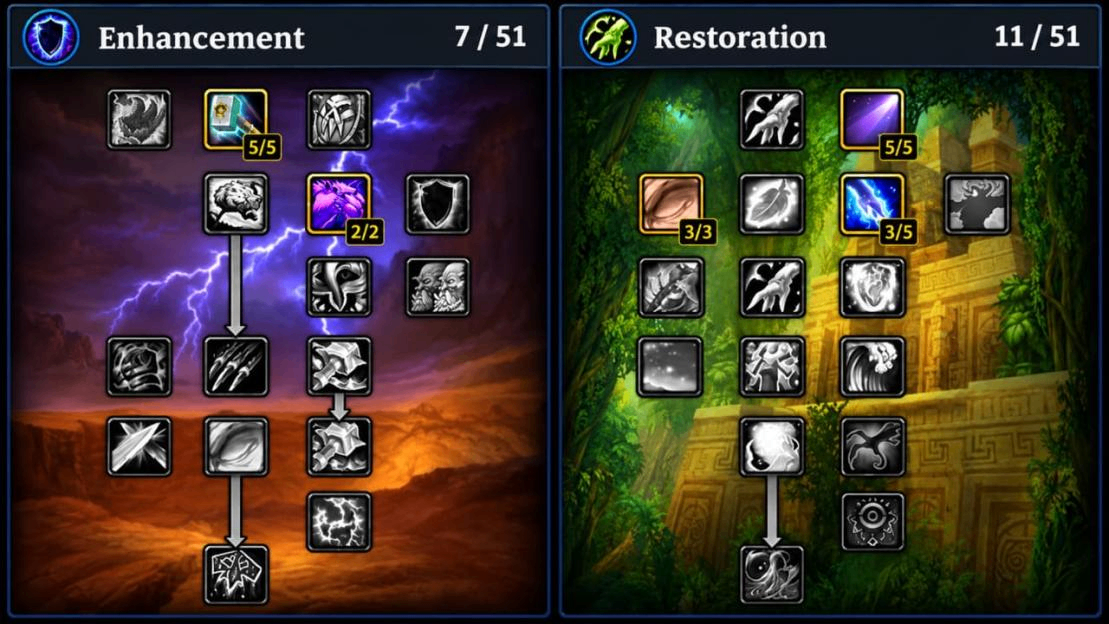
Riptide is a 31-point talent for later progression. It provides an instant heal followed by healing over 15 seconds, with a 6-second cooldown.
Once unlocked, it is useful when you need healing while moving or want to apply recovery before returning to a cast-time spell. It is not an available solution for a level-30 healer who needs to move during a dangerous pull.
It also increases the effectiveness of Chain Heal by 25% when cast directly on a target affected by your Riptide. Choose the initial recipient with that interaction in mind. A target who needs healing and is positioned near other injured allies can make better use of the combination than an isolated player at full health.
Nature's Swiftness remains an emergency tool, and Tidal Mastery supports healing critical strikes. Together with Water Shield and Mindfulness, Restoration has more resource support and more healing options than a routine based solely on repeated Chain Heal casts.
7. Experimental Shaman Tanking
Shaman tanking in WoW Forever is an experimental use of Enhancement tools for smaller-group encounters. It is not an announced fourth specialization, and strong threat generation alone does not establish that it can replace a conventional tank throughout endgame content.
Threat and Avoidance Tools
Spirit Weapons supplies parry and increases threat with Rockbiter active. Improved Stormstrike connects dodges and parries to additional Stormstrike opportunities, while Fire Nova gives a tanking setup area damage from a positioned Fire Totem.
Anticipation supports dodge, Guardian Totems improves defensive totem utility, and Toughness contributes Stamina. A shield is also worth considering when the job is surviving enemy attacks rather than maximizing two-handed damage.
These choices consume talent points or change your equipment, so a tanking experiment is a different setup from a regular melee damage role. Keep your WoW Forever Gold investment in tank gear modest until the setup can survive the pulls you intend to handle.
What Threat Does Not Solve
The class does not gain a complete dedicated tank toolkit simply by increasing threat. Missing a dependable taunt or strong defensive cooldown can matter when a target reaches the healer or a pull deals more damage than expected.
Begin with manageable pulls in a group that understands the experiment. Keep enemies near your Fire Totem if using Fire Nova, and assess incoming damage before increasing the pack size. Stop enlarging pulls if the healer cannot keep up or you repeatedly lose enemies to other players.
Claims that Shaman will become the strongest mass-AoE tank, an exceptional level-60 solo farmer, or an official tank specialization later remain unproven. None is a reason to promise your group that the current setup can handle every dungeon.
8. PvP Positioning and Pressure
Shaman PvP in WoW Forever depends on reaching a useful position and keeping access to the tools of your specialization.
Enhancement can produce dangerous Windfury damage when it reaches an opponent, but being kept out of melee range limits those opportunities. Instant Ghost Wolf helps with repositioning, while Intellect-based healing support improves the usefulness of self-heals. Neither guarantees that you can remain on a mobile target.
Elemental benefits from Earthbound's root and more reliable pushback protection. In later progression, an opponent removing Flame Shock also removes the condition for Lava Burst's bonus damage.
With Elemental Mastery gone, plan pressure around the current spell toolkit instead of relying on the old guaranteed-crit burst.
Restoration gains mana triggers through Water Shield, with mobile Riptide healing arriving later in progression. It still needs positioning and group support when opponents interrupt or focus it.
Grounding Totem and a shield contribute to survival, but sustained enemy pressure can prevent the healer from using the full healing toolkit.
9. Your Next Talent Investment
Before spending your next WoW Forever talent point, identify the restriction you are trying to remove. If travel is the problem, consider the route to instant Ghost Wolf. If melee spell spending is the problem, look at Shamanistic Focus.
If your goal is a main-tree milestone, avoid delaying it with unrelated investments. Reassess after your next weapon upgrade, new spell rank, or change in group role.