




Summary:
1. Camelot Core Philosophy & Lore Rules
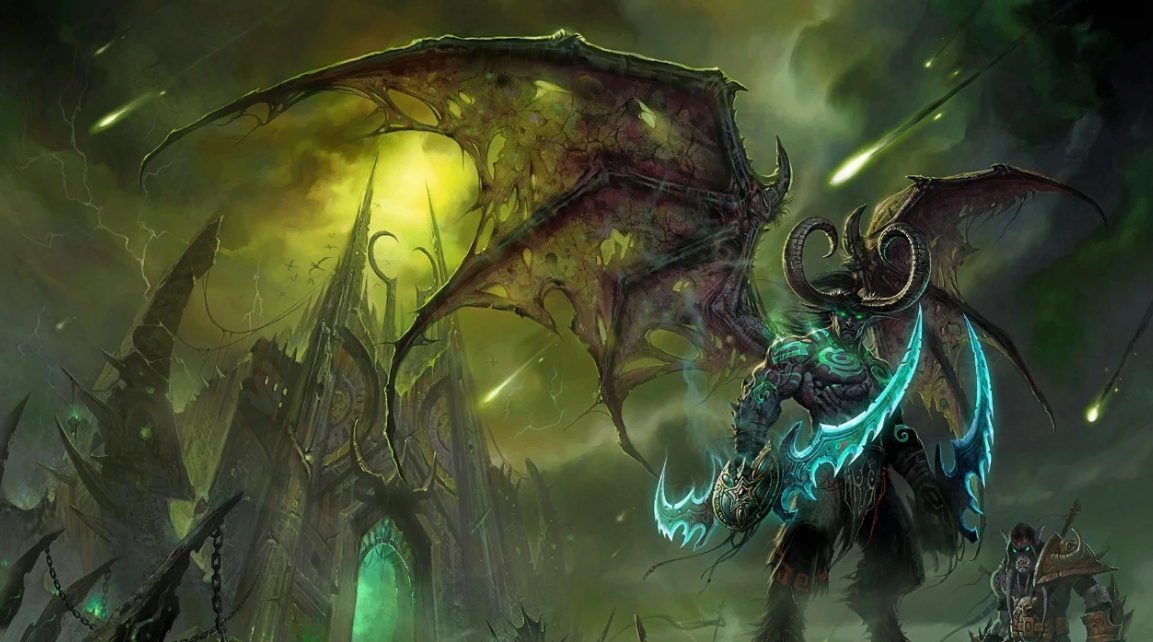
Project Camelot represents Blizzard's refined vision for Classic Plus content, built on lessons from Season of Mastery and Season of Discovery. Unlike experimental seasonal servers, Camelot uses a stable, long-term foundation for evolving Vanilla gameplay.
Launch content strictly preserves the original Vanilla timeline. No new races or classes will debut at launch, keeping Paladins Alliance-exclusive and Shamans Horde-exclusive. This design choice maintains classic asymmetric faction identity while fixing utility gaps for balanced group play.
Developers will add cross-faction buff equivalents to eliminate mandatory faction stacking. Alliance players gain access to windfury-like effects, while Horde factions receive kings-style buffs to keep raid compositions flexible and fair.
2. Class & Spec Rebalancing Changes
Camelot's class updates focus on fixing dead talent trees and making hybrid specs viable without extreme overhauls. Paladins and Shamans receive major improvements to enable reliable tank roles, alongside enhanced damage and healing toolkits.
Notable Season of Discovery experimental changes will not carry over. Advanced off-meta roles including mage healers, rogue tanks, and warlock tanks are scrapped for launch. The dev team prioritizes grounded, balanced adjustments that fit classic combat logic.
All hybrid DPS specs receive quality-of-life buffs to boost dungeon and raid usability, giving players more build diversity within traditional class boundaries.
3. Massive Dungeon & Raid Overhaul Overhaul
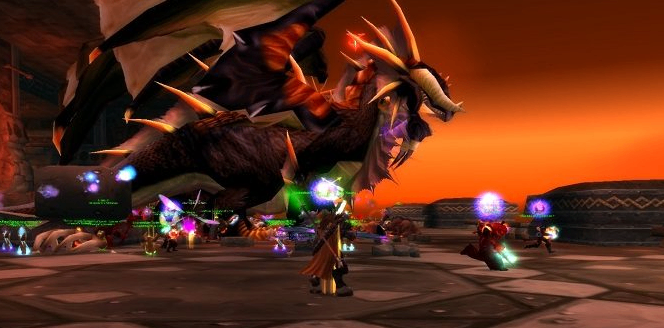
The majority of Camelot's development resources focus on full classic dungeon remasters. Every original dungeon receives updated encounters, improved pacing, and refreshed environmental design.
Level-gated phase raids return, similar to Season of Discovery's successful leveling system. Level 25 features a remastered Shadowfang Keep raid, redesigned with layered progression and unique boss mechanics. Level 40 splits Uldaman into an upper-level raid and an expanded level-60 dungeon wing.
Zul'Farrak becomes a level-50 raid, while Tanaris' Pirate Cove transforms into a new level-45 dungeon. New travel connections between Ratchet and Booty Bay improve world traversal and open new farming routes.
At max level, 10-man heroic dungeons debut for classic endgame content, including Scholomance, Maraudon, and Dire Maul. Dire Maul also expands into a full 20-man raid with extended Shen'dralar lore and a final Prince Theraldrin encounter.
4. Caverns of Time & Future Timeline Split
Camelot reintroduces fan-favorite Caverns of Time time-travel dungeons. New scenarios include the Battle of Grim Batol and an Orgrim Doomhammer Blackrock Spire storyline, letting players relocal pivotal Warcraft history.
Though launch content stays true to the original timeline, Camelot will eventually branch into an alternate universe. This upcoming split will separate Classic's future from retail's Worldsoul Saga, enabling new story paths, character returns, and unshackled classic content expansion.
5. Release Timeline & Player Expectations
Current development delays mean BlizzCon will only feature Camelot announcements, with no playable demo. Beta testing remains strictly NDA-locked. Tentative launch windows target late Q3 or early Q4 2026, with September and October release dates most probable.
6. Final Verdict
WoW Classic's Camelot update is the most substantial Vanilla refresh in years. Its blend of respectful classic preservation, smart quality-of-life buffs, full dungeon reworks, and future timeline potential creates the definitive permanent Classic+ experience. Players seeking refined, evolving classic gameplay have major reasons to anticipate the upcoming launch. To prepare for faster leveling, gearing, and the evolving in-game economy, many players may choose to buy WoW TBC Classic Anniversary Gold before the update goes live.