






Summary:
WARDOGS rewards players who understand more than just gunplay. From choosing the right vehicle and managing logistics to building stronger FOBs, leveling classes, using anti-air systems, and countering enemy armor, WARDOGS Cash offers these 126 practical tips that can help you survive longer and contribute more effectively.
1. Master the Vehicles First
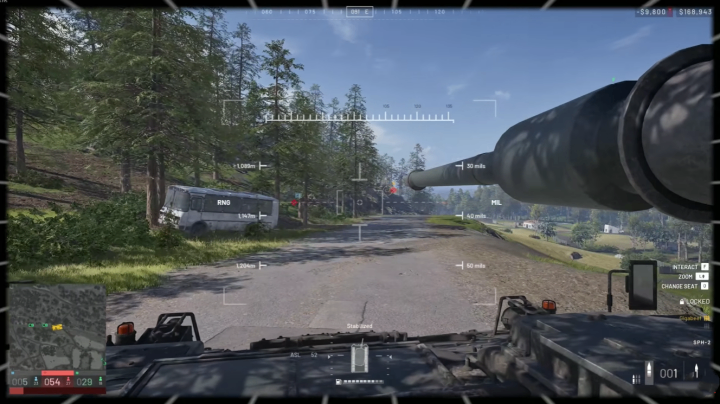
Vehicles are essential for successful WARDOGS operations. The Kodiak is the fastest land vehicle at around 135 km/h, followed by the June Buggy, Humvee, and Bobcat. The Kodiak is ideal for long raids thanks to its 12 inventory slots, while the pickup allows passengers to fire weapons from its open cargo bed. Vehicle storage ignores normal item sizes, making heavy weapons and equipment easy to transport. Logistics crates add extra storage but should be deployed carefully. Always carry fuel and a wrench for extended missions. If a vehicle flips, use the driver's reposition option. Controlled steering also helps prevent dangerous spins. The Humvee offers strong protection and storage, while the June Buggy excels at fast movement and passenger combat.
2. Use Logistics Vehicles Efficiently
The Ural is essential for large-scale logistics. It can carry two supply pallets, while large crates can provide even more total capacity depending on your progression.
You can unload Ural cargo quickly using the G key, avoiding unnecessary menu navigation. More importantly, logistics work doesn't always need to be done by the person who transported the supplies. Other players can unload your cargo and also receive money and experience, making teamwork particularly valuable.
Don't leave vehicles unattended for too long. Some vehicles can begin taking damage and eventually explode if they remain unused. This is especially important when you are building an FOB after dropping off supplies.
3. Understand FOB Building
Building becomes much more efficient once you reach Support Level 8, which unlocks the large hammer. The medium hammer generally isn't worth prioritizing because fresh FOBs already provide one.
A newly deployed FOB comes with useful resources, including supply, ammunition, building equipment, and medical items. Tactical FOBs can therefore support solo construction without requiring an immediate supply delivery.
Check FOB resources remotely from the map before bringing another logistics load. This prevents wasted trips and helps you deliver exactly what the team needs.
Building technique also matters. When using the hammer, hitting the yellow X can dramatically accelerate construction. Position yourself so the next target appears close to you, then use quick hammer inputs rather than simply holding the button continuously.
For defensive FOBs, consider double Hesco walls, airlocks, gates, barbed wire, and hedgehogs. Vehicles can be used to vault into poorly designed bases, so blocking potential vehicle access points is important.
4. Master Drills and Defensive Structures
Drills can move the hot zone toward your position, making them strategically important. They require fuel, and their operating duration depends on how much fuel is supplied.
Multiple drills can be rotated to maintain pressure, but timing is critical. Only one drill can actively control the hot zone at a time, so activating the next drill immediately after the previous one ends can prevent another team from taking control.
Drills should also be protected from mortars and artillery. Concealing them behind structures can make direct mortar attacks more difficult.
Mortars are especially useful as defensive tools because hidden mortar FOBs can attack enemy drills, anti-air positions, and other important infrastructure from outside the immediate objective area.
5. Learn How to Use Mortars and Anti-Air
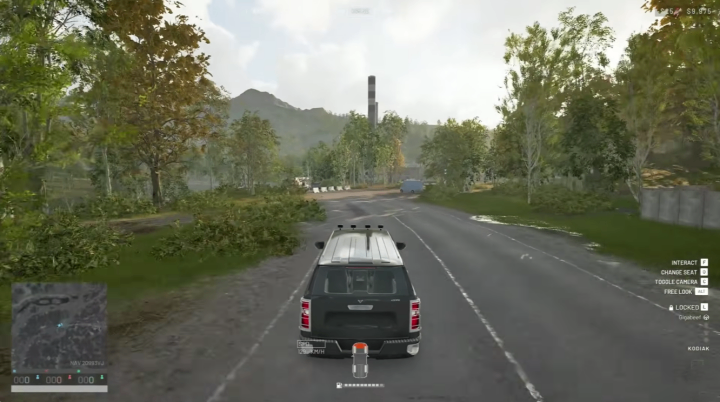
Mortars have a maximum effective range of roughly 700 meters, so placement matters. Use the map grid to estimate distance, then adjust your first shot before beginning a sustained bombardment.
After firing, you can cancel the shell camera and continue operating the mortar. Reloading while shells are in flight lets you maintain a much faster firing cycle.
The Talon SAM is powerful but requires patience. A missile lock doesn't necessarily mean you should fire immediately. Experienced pilots may use countermeasures after detecting a lock, so coordinated anti-air operators can create much more pressure.
The portable Verber launcher provides another option because it can be aimed manually, including upward angles that some fixed SAM systems cannot cover.
The CIWS/Sea Whiz is also valuable. Unlike missile-based systems, its gunfire cannot simply be defeated by helicopter flares. It can also be devastating against ground vehicles when positioned correctly.
Combining different anti-air systems is often more effective than relying on one launcher. Long-range missiles can force helicopters into vulnerable positions while short-range weapons punish them when they approach.
6. Understand Class Progression
WARDOGS progression is based on your combined class levels, so leveling your weakest class can help unlock powerful overall rewards faster. Key milestones include better armor, AP ammunition, artillery, and higher armor tiers. Assault unlocks weapons like the AK, Galil, and M4, while Medic gains smoke grenades, IFACs, defibrillators, stimulants, and the Vector. Support unlocks the RPG, M249, mortar, and anti-tank mines. Recon should prioritize binoculars for spotting enemies, vehicles, helicopters, and FOBs while earning XP and money.
7. Armor and Weight Matter
Armor provides a major survivability advantage. Higher armor levels substantially increase effective health, changing important weapon damage breakpoints.
Weight is also important because penalties are threshold-based. Instead of carrying slightly more equipment and immediately entering another weight category, try to stay just below the next threshold whenever possible.
Backpacks and rigs also unlock additional equipment slots and can improve reload speed. As your loadout becomes more complex, choosing the right carrying capacity becomes increasingly important.
8. Improve Infantry Survival
Always consider carrying a parachute when traveling by helicopter. The basic parachute is inexpensive and works well for normal deployments.
Avoid opening it too close to the hot zone because early parachute deployment can expose you to enemy players. Watch your descent indicator and deploy before the landing becomes dangerous.
Getting spotted is another serious threat. Recon marks can remain active for a significant period, allowing enemies to track you repeatedly. If you suspect you've been spotted, breaking line of sight and changing position can help.
Spot parachuting enemies as well. Players landing behind your lines can become dangerous if they are allowed to establish themselves undetected.
9. Fight the Enemy's Infrastructure
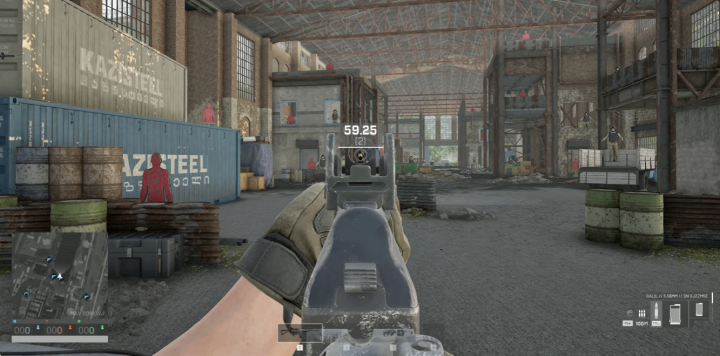
WARDOGS isn't only about killing infantry. Destroying enemy logistics reduces their ability to fight, attacking spawn capacity limits reinforcements, and disrupting helicopters can damage their transportation network.
A player operating behind the front line and hunting logistics, artillery, mortars, or anti-air positions can have a major strategic impact.
When attacking FOBs, remember that not every entrance needs to be destroyed. Vaulting mechanics and surrounding terrain can sometimes provide alternative ways inside.
If breaching is necessary, C4, IEDs, RPGs, and other tools have different damage values against doors, gates, and Hesco walls. Coordinating multiple breaches can also make it harder for defenders to determine where the main attack is coming from.
10. Counter Enemy Vehicles
Anti-vehicle tactics rely on smart positioning and coordinated attacks. Against helicopters, combine long-range weapons like Talon and Verber with Sea Whiz, RPGs, and small-arms fire. Targeting exposed pilots or gunners can be easier than destroying the vehicle. Logistics vehicles are vulnerable on predictable routes, making them ideal ambush targets. Two anti-tank mines can destroy a tank, while hedgehogs can funnel vehicles into traps. Against Humvees, eliminate the gunner or destroy the tires to reduce its effectiveness. For tanks, disable their mobility first, then attack side and rear weak points instead of wasting ammunition on frontal armor.
11. Small Quality-of-Life Tips
Several smaller mechanics can make everyday gameplay easier. Double-tapping Alt enables vehicle freelook, while the spacebar activates the handbrake. The N key can zoom out the minimap, which is particularly useful during intense fights.
A radial equipment menu is available through the relevant keybind, and sprinting through doors can provide a faster way through buildings.
Finally, if you're playing with friends, joining them directly through Steam can make it easier to end up on the same team when server space allows.
Conclusion
WARDOGS is a game where knowledge can be just as valuable as aim. Understanding vehicle storage, logistics, FOB construction, class progression, reconnaissance, armor, anti-air systems, and anti-tank tactics gives players far more options on the battlefield. Whether you're transporting supplies, defending a drill, hunting enemy artillery, cheap WARDOGS Cash, or leading a raid behind enemy lines, mastering these mechanics can make every deployment more productive and rewarding.