





Summary
Recent silent CFB 27 Dynasty updates have completely reshaped the competitive meta by removing one of the most abused early-game recruiting glitches. The popular instant commit exploit is officially patched, leveling the playing field for all league participants. However, one powerful unpatched mechanic remains active: the training point hoard strategy. This loophole lets players control attribute progression, slash long-term NIL costs, improve roster retention, and manipulate draft stock. This guide breaks down every key update change, explains why old strategies no longer work, and outlines the new dominant Dynasty meta for both online and offline leagues, including how College Football 27 Coins can support recruiting and roster development.
The End of the Instant Commit Recruiting Glitch
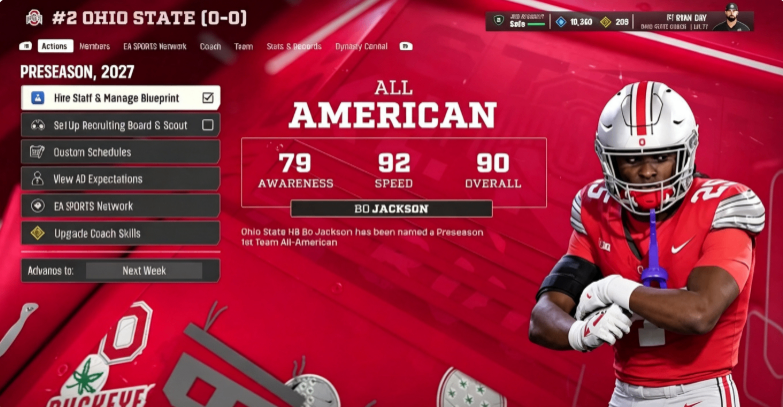
For months, the biggest imbalance in CFB 27 Dynasty was the repeat scholarship recruiting glitch. Players could repeatedly add and remove elite prospects from their recruiting board while resubmitting scholarship offers to force instant commits. This tactic allowed powerhouse programs to lock full elite recruiting classes within the first week of cycle launches.
The exploit created massive league imbalance. Top-tier schools with stacked prospect boards easily farmed multiple five-star and four-star recruits, while smaller programs could not replicate the method effectively. Casual players were forced to either copy the glitch or fall behind in recruiting rankings every season.
A recent silent official update fully patched this loophole. The game now properly locks prospects once removed from active boards, eliminating repeat offer exploits. This change removes pay-to-win early-season recruiting advantages and returns dynasty gameplay to strategic scouting and competitive offer battles.
Why Training Point Hoarding Is Now the New Meta
With the recruiting glitch gone, the last remaining game-breaking mechanic has become the undisputed top dynasty strategy: training point hoarding. Unlike the patched recruiting exploit, this system remains fully functional and unaddressed in recent patches.
The strategy relies on toggling auto-progress settings during the training results week. The game’s coding behaves differently based on whether auto-progress is enabled or disabled heading into weekly advancement. By mismatching these settings, players can freeze unspent training points instead of letting the game auto-allocate them automatically.
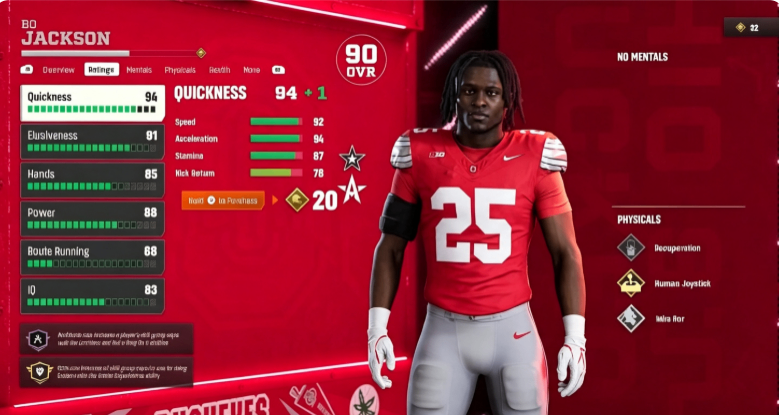
Default auto-progress behavior wastes points on low-value attributes like route running, awareness, and IQ. These forced upgrades inflate player overall ratings without improving on-field performance. Hoarding eliminates random auto-spending and lets players save points for critical stat upgrades such as speed, quickness, and power.
Long-Term Dynasty Benefits of Point Hoarding
Cut Massive NIL Costs
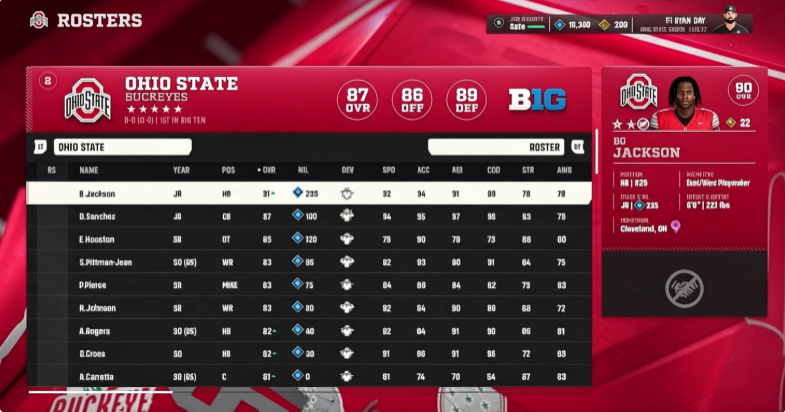
The most impactful advantage is permanent NIL cost reduction. Player NIL expectations and deal-breaker thresholds scale directly with overall rating growth. Auto-upgraded players rise in overall quickly, forcing expensive annual NIL raises or risking transfer departures.
Hoarding training points keeps developing freshmen and sophomores at lower overall ratings for multiple seasons. Stagnant ratings freeze their NIL requirements, letting teams maintain elite roster classes at baseline budget costs. Over three to four seasons, this method generates massive cumulative budget savings for elite roster building.
Control Player Retention & Draft Stock
Uncontrolled auto-progression pushes star players into mid-round draft ranges early, forcing costly NIL extensions or premature roster losses. Hoarding lets coaches suppress overall growth intentionally to keep players in college longer.
Players can save hundreds of training points across a career, then dump all points in a single off-season preseason window. This late explosion pushes players from mid-tier overall ratings into 94+ elites, boosting them from mid-round picks to first-round draft prospects. This maximizes program pro potential and talent developer bonuses.
Practical Step-by-Step Player Strategy
Adjust your auto-progress toggle every training week to preserve surplus points. Disable auto-progress before advancing to training results week to lock your current point balance. Avoid advancing with auto-progress enabled, which triggers automatic wasteful attribute spending.
Reserve all saved points for critical physical attribute upgrades and ability unlocks. Never spend hoarded points on low-impact mental stats that inflate overall ratings without boosting gameplay.
Time major upgrades strategically. Hold back on developing underclassmen until their junior or senior preseason. Upgrade right after annual NIL evaluation windows to avoid triggering increased player contract demands.
Final Verdict
CFB 27 Dynasty’s meta has permanently shifted following the secret recruiting glitch patch. Unfair instant commit advantages are gone, creating balanced recruiting for all program sizes. The training point hoard strategy is now the most vital skill for competitive Dynasty players. Mastering this loophole delivers cheaper NIL rosters, higher player retention, controlled draft development, and consistent long-term program growth. Players who want additional resources for recruiting and roster development can also buy College Football 27 Coins to supplement their Dynasty progression.