





Summary
Winning consistently in College Football 27 is less about memorizing playbooks and more about avoiding common mistakes before the snap and making smarter decisions during each drive. The following 10 beginner tips cover passing, running, blocking, defensive control, and game settings that can immediately improve your performance. Whether you play Dynasty, Road to Glory, or College Ultimate Team, these practical adjustments will help you become more consistent. Players building their roster can also benefit from managing College Football 27 Coins efficiently alongside improving their gameplay fundamentals.
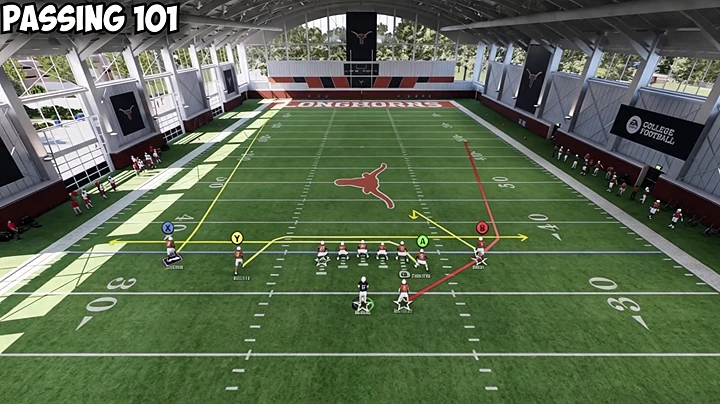
Tip 1: Master Passing Before Looking for Big Plays
Many new players force deep throws and create unnecessary turnovers.
Instead:
Read the defense before snapping the ball.
Identify your primary receiver.
Keep a second and third option ready.
Throw short passes when the defense removes deep routes.
Consistently completing simple passes is more effective than forcing difficult throws into coverage.
Tip 2: Learn Green Catching Timing
Receiving the ball cleanly is just as important as making the throw.
Practice Green Catching whenever possible.
A successful Green Catch:
Helps secure difficult receptions.
Improves catch consistency.
Reduces dropped passes in contested situations.
Instead of pressing the catch button randomly, time your input carefully as the receiver prepares to secure the football.
Tip 3: Adjust Your Gameplay Settings First
Before starting competitive games, review your gameplay settings.
Optimizing settings early can improve both offense and defense without changing your playbook.
Pay particular attention to:
Passing settings
Camera preferences
Controller assists
Defensive control options
Using settings that match your playstyle makes learning other mechanics much easier.
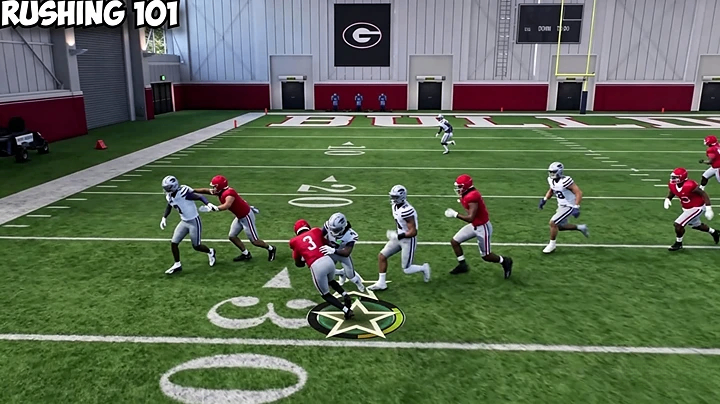
Tip 4: Build Your Running Game Correctly
Running the ball is more than holding the sprint button.
Follow this sequence:
Read the defensive alignment.
Follow your blockers.
Wait for the running lane to develop.
Accelerate only after reaching open space.
Cut back when defenders overcommit.
Patience often creates larger gains than trying to outrun defenders immediately.
Tip 5: Use Custom Stems to Create Better Routes
Custom Stems allow receivers to adjust route depths before the snap.
Use them to:
Attack open zones.
Move receivers beyond first-down markers.
Create easier throwing windows.
Adjust routes against different coverages.
Small route adjustments often produce easier completions without changing the entire play.
Tip 6: Check Your Blocking Assignments
Before every snap, examine your offensive line.
Identify:
Blitz threats.
Unblocked defenders.
Linebackers showing pressure.
Defensive overloads.
If necessary:
Shift pass protection.
Assign additional blockers.
Keep a running back or tight end in protection.
Good blocking adjustments give your quarterback more time to make accurate reads.
Tip 7: Keep One Reliable Pass Play Ready
Instead of constantly changing plays, develop one dependable passing concept.
A reliable pass play should:
Work against multiple coverages.
Provide both short and intermediate options.
Include a quick checkdown if pressure arrives.
Learning one play thoroughly is often more effective than memorizing dozens of formations.
Tip 8: Improve Your Pocket Presence
Many sacks happen because quarterbacks drift backward instead of stepping into the pocket.
During passing plays:
Stay calm after the snap.
Step up when edge rushers come wide.
Avoid unnecessary scrambling.
Leave the pocket only when pressure collapses the middle.
Better pocket movement leads to cleaner passing opportunities and fewer negative plays.
Tip 9: Contain Mobile Quarterbacks
Mobile quarterbacks become much less dangerous when forced to stay inside the pocket.
To limit scrambling:
Maintain outside leverage.
Avoid overcommitting with pass rushers.
Keep contain responsibility.
Force quarterbacks to throw under pressure instead of escaping.
Disciplined defense prevents easy rushing yards and broken plays.
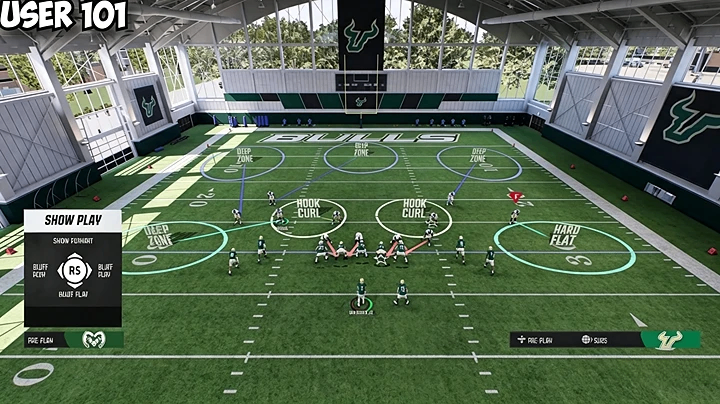
Tip 10: Learn User Defense Fundamentals
User control can make a significant difference on defense.
Start by controlling a linebacker or safety rather than the defensive line.
Focus on:
Covering passing lanes.
Reading the quarterback's eyes.
Helping underneath coverage.
Reacting instead of guessing.
As your confidence improves, gradually take on more difficult defensive responsibilities.
Key Takeaways
Build your offense around smart passing decisions instead of risky deep throws.
Practice Green Catching to improve reception consistency.
Optimize gameplay settings before competitive matches.
Let running lanes develop before accelerating.
Use Custom Stems to create more effective passing windows.
Check blocking assignments before every snap.
Keep one dependable pass play available in every game.
Stay inside the pocket whenever possible.
Use disciplined contain defense against mobile quarterbacks.
Improve User Defense by controlling linebackers or safeties first.
Conclusion
Most beginners lose games because of repeated fundamental mistakes rather than poor playbooks. By improving passing reads, mastering Green Catching, adjusting blocking, using Custom Stems effectively, maintaining pocket presence, and learning disciplined User Defense, you can become more consistent on both sides of the ball. Practice these habits in the order outlined above, and they will become part of your regular decision-making during games. As your team continues to improve, managing resources such as CUT 27 Coins can also help strengthen your roster while you focus on refining your on-field skills.


