






Summary:
College Football 27 makes a major change to Dynasty Mode player progression by automatically spending unused skill points during the Training Results phase. This new system removes point hoarding, limits certain roster and draft exploits, College Football 27 Coins, and makes strategic manual upgrades more important than ever.
College Football 27 Player Progression Explained
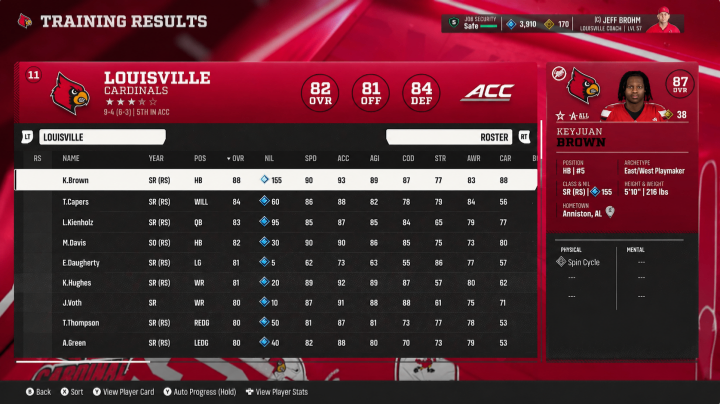
If you want to build a dominant Dynasty Mode program in College Football 27, understanding the new player progression system is essential. One of the biggest changes this year affects how skill points are handled during the offseason Training Results phase.
In previous versions, players could save skill points and spend them whenever they wanted. That gave experienced Dynasty players plenty of control over player development, especially when they were saving for expensive attributes such as Speed or Throw Power.
College Football 27 changes that strategy. During the Training Results phase, any remaining skill points are automatically spent when you advance. This means players can no longer simply stockpile points for later.
Why Training Results Are So Important
The Training Results phase is arguably the most important period for player development in Dynasty Mode. During this part of the offseason, your players receive large numbers of skill points based on their progression.
You might see players receive 20, 40, 60, or even more points at once. In previous games, this created an opportunity to carefully decide exactly where those points should go.
For example, an elusive running back might benefit most from upgrades to Speed, Elusiveness, Change of Direction, or relevant abilities. A linebacker might need Tackling, Pursuit, Block Shedding, or Speed.
The problem is that automatic progression does not necessarily understand your strategic priorities.
How Automatic Player Progression Works
When the game automatically spends skill points, it generally prioritizes cheaper upgrades first.
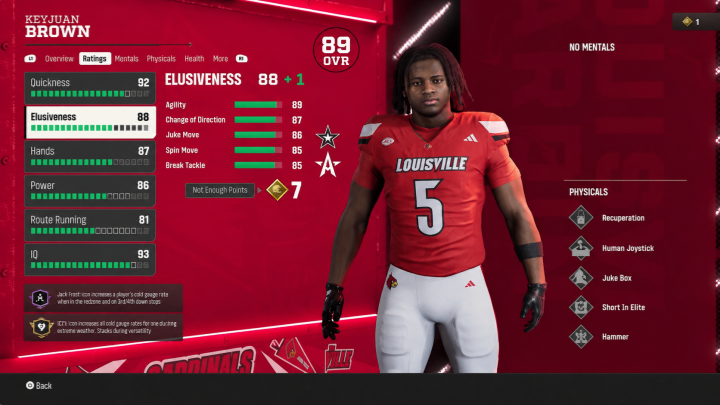
Imagine you have a running back who needs better Speed and Elusiveness, but those attributes are expensive. Automatic progression may instead spend points on cheaper categories such as Route Running or other lower-cost attributes.
The system continues purchasing upgrades based largely on their cost. Once different upgrades reach similar prices, the game begins distributing points between them.
The result can be a player who technically improves but does not become significantly better at his intended role.
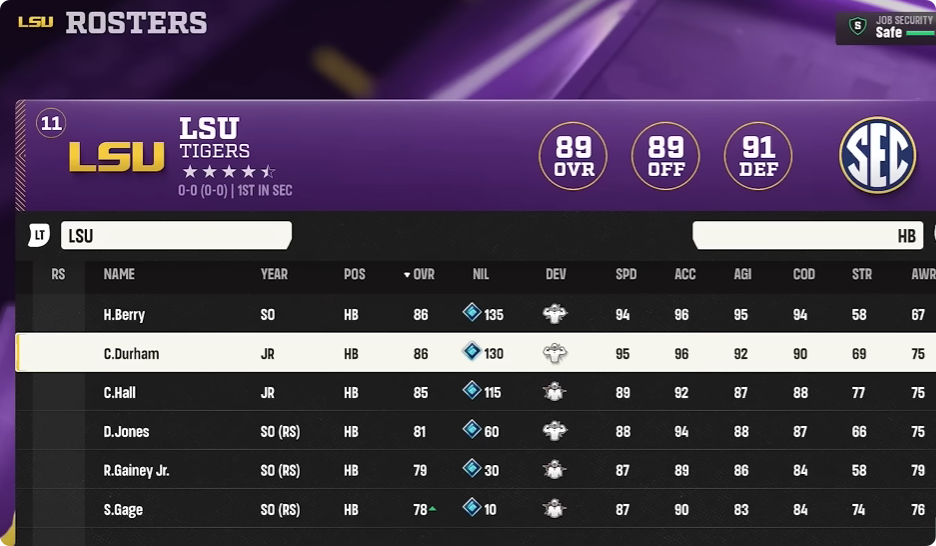
For example, an 89 OVR running back could receive dozens of skill points but still fail to gain the Speed or Change of Direction upgrades that would make him significantly more dangerous.
That makes manual progression extremely valuable.
College Football 27 Removes Skill Point Hoarding
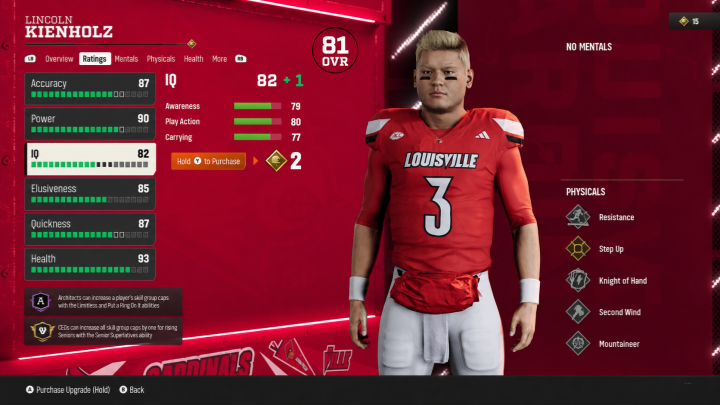
One of the biggest changes in CFP 27 Dynasty Mode is the removal of skill point hoarding.
Previously, players could intentionally leave skill points unspent. There were legitimate reasons for doing this, but it could also create powerful exploits.
A player could remain at a lower overall rating while secretly accumulating skill points. Later, those points could be spent all at once, dramatically increasing the player's overall rating.
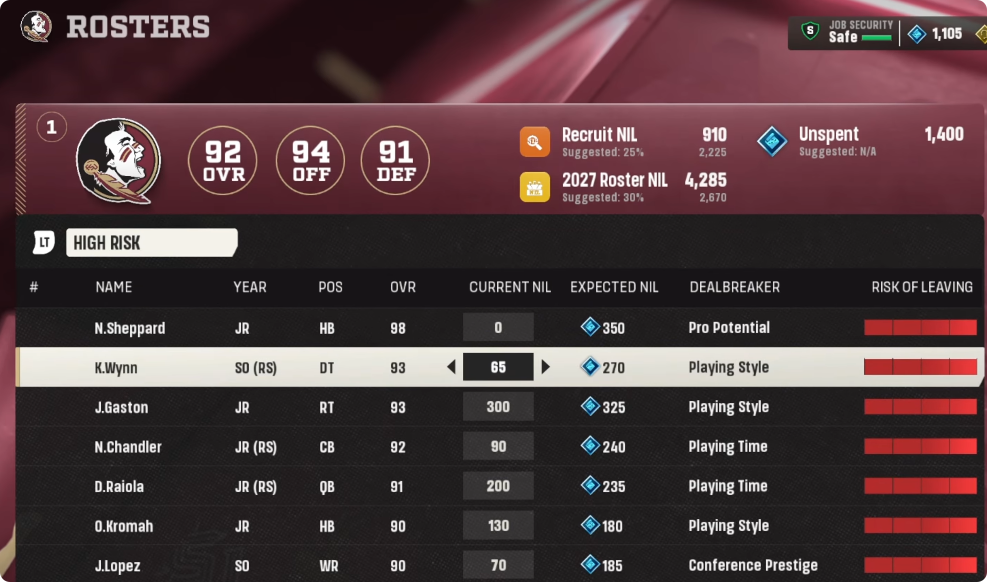
This could influence development, recruiting, draft outcomes, NIL costs, and roster management.
EA's new system is designed to prevent these strategies.
When you advance through the Training Results phase, the game now warns that remaining skill points will automatically be spent on player progression. This is an intentional feature rather than a bug.
Why EA Changed the System
Skill point hoarding could create several advantages that were arguably outside the intended Dynasty Mode progression system.
For example, players could keep a quarterback at a relatively low overall rating until his junior or senior season. They could then spend accumulated points and suddenly turn him into a much higher-rated player.
This could potentially affect NFL Draft evaluation while also helping teams manage NIL demands.
A player's development can influence how much value and attention he receives, so delaying progression could provide an economic advantage as well.
College Football 27's automatic spending system is therefore designed to reduce these exploits and make progression more consistent across Dynasty Mode.
The Biggest Problem: Expensive Upgrades
Although the new system addresses exploits, it creates another strategic problem.
Some of the most important attributes are also among the most expensive to upgrade.
Speed and Throw Power are excellent examples.
Suppose your linebacker has 19 skill points and needs only one more point to unlock a Speed upgrade. You might normally save those 19 points, wait for another training result, and then purchase the Speed upgrade.
In College Football 27, that strategy is risky.
If you advance and those points are automatically spent, the game could instead upgrade attributes such as Football IQ, Pass Coverage, or Pass Rush.
You may technically improve the player, but you lose the opportunity to reach the specific milestone you wanted.
Spend Points Before Training Results
One of the best ways to deal with the new system is to manage your skill points throughout the season.
If you are not deliberately saving points for an expensive upgrade, consider spending them before reaching the Training Results phase.
This reduces the number of decisions you need to make during the offseason and prevents a large number of points from being automatically distributed into attributes you do not prioritize.
However, you should still save points when you have a clear upgrade target.
The key is knowing exactly why you are saving them.
Build Players Around Their Strengths
Because you cannot rely on hoarding points, Dynasty players should think more carefully about player roles.
If you have a run-stopping linebacker, prioritize attributes that directly improve his role. Tackling, Pursuit, Block Shedding, and other defensive fundamentals may provide significantly more value than randomly spreading points across Pass Coverage or other categories.
The same principle applies to every position.
A scrambling quarterback should be developed differently from a pocket passer. A power running back should not necessarily receive the same upgrades as an elusive back. A man-coverage cornerback may need different attributes from a zone specialist.
Instead of trying to make every player well-rounded, focus on maximizing what makes each player valuable.
What This Means for Dynasty Strategy
The new progression system makes Dynasty Mode more hands-on.
You cannot simply assume that the game will develop players in the way you want. Automatic progression may produce a more balanced player, but it does not necessarily produce the most effective player for your scheme.
This makes player evaluation and roster planning even more important.
Before advancing through Training Results, identify the players who matter most. Decide which attributes are essential, which upgrades are affordable, and which players can safely receive automatic progression.
Your best prospects deserve the most attention.
Final Thoughts
College Football 27's new player progression system fundamentally changes how Dynasty Mode development works. The removal of skill point hoarding reduces exploits involving player ratings, NFL Draft progression, cheap College Football 27 Coins, and NIL management, but it also means you have less freedom to save points for expensive upgrades.
The most important lesson is simple: do not treat Training Results as a week you can ignore.
Spend skill points strategically throughout the season, pay close attention to your key players, and manually upgrade important attributes whenever possible. If you want your Dynasty program to produce elite players consistently, understanding this system could make a major difference from the very first season.