







Summary
This article analyzes the Servant of Rot, a top-tier starting class in Elden Ring Convergence Mod built around poison, scarlet rot and multiple status ailments. Starting in Caelid with rot-themed spells, seal and rapier, it boasts solid self-regeneration, fast casting and strong DoT damage against regular foes and DLC bosses. Investing in Faith and Arcane unlocks its peak strength, and gamers wanting rapid build development may buy Elden Ring Runes to skip tedious rune farming for attribute upgrades and spell unlocks.
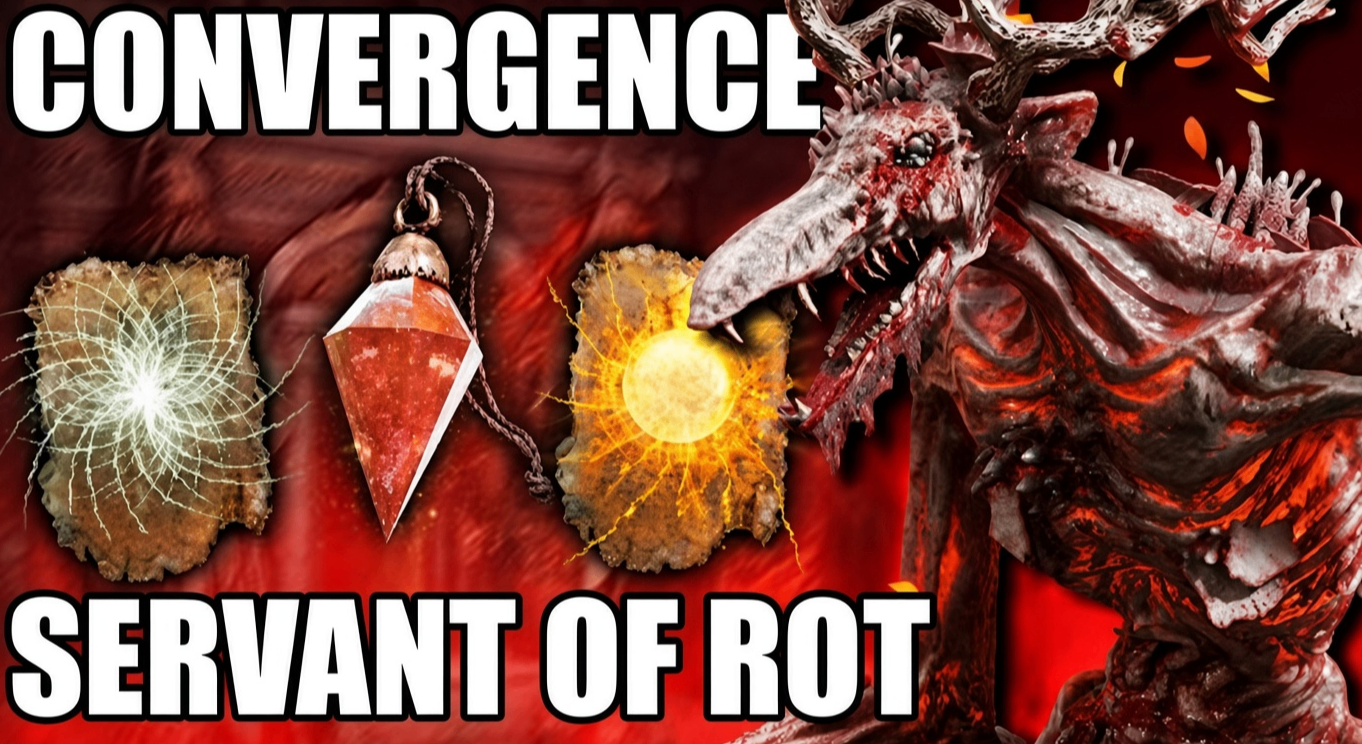
The Convergence Mod ranks among the most extensive overhauls available for Elden Ring. It replaces the original starting classes with more than two dozen specialized options, introduces hundreds of new spells and weapons, redesigns major areas, and adds fresh bosses along with revised progression systems. Within this expanded framework, the Servant of Rot class stands out for its exceptional strength and distinctive playstyle centered on decay and corruption.
This class rewards players who embrace status effects, sustained regeneration, and aggressive spellcasting. Once its core tools come online, it delivers a level of power that can dominate both the base game and the Shadow of the Erdtree content.
Starting Tools and Early Advantages
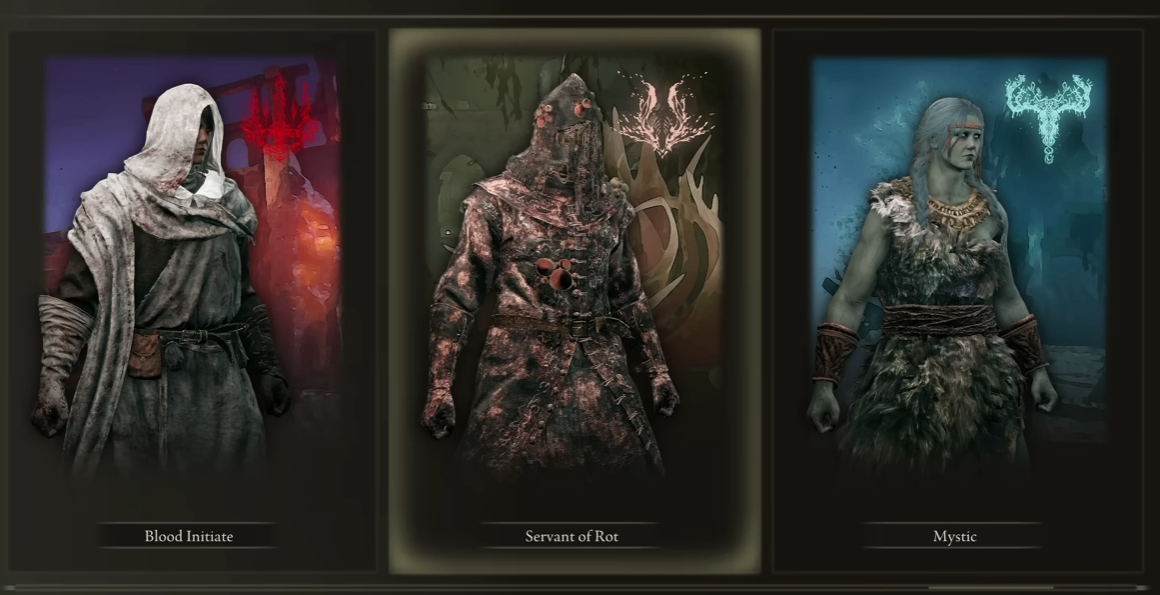
The Servant of Rot begins in Caelid near the Swamp of Aeonia, a fitting location that immediately immerses the player in themes of rot. Starting equipment includes the Pest's Seal, the Antspur Rapier, Poison Mist, Poison Dart, Swarm of Flies, and Poison Armament. Base stats emphasize Faith and Arcane, supported by early bonuses to casting speed. This foundation supports a status-focused approach from the very beginning.
Players quickly gain access to the Shimmering Rune of Rot and the Scorpion Kite Shield. The shield provides a direct 10 percent boost to Servant of Rot incantation damage. Swarm of Flies and Poison Dart excel at applying pressure from range, allowing even early enemies to fall once poison or scarlet rot takes effect. These tools generate a steady supply of Elden Ring Runes that fund initial level-ups and equipment upgrades.
Defensive and utility buffs form another cornerstone of the class. Chitinous Shell increases all absorptions by 15 percent while granting 15 HP regeneration per second for two minutes. When layered with effects such as the Aspect of the Scorpion or Blessing of Sealed Gods, the character gains long-lasting or permanent regeneration of both health and FP, along with further absorption improvements. These abilities transform the Servant of Rot into a resilient caster capable of prolonged engagements.
Embracing a Caster-Focused Approach
Although the class supports hybrid melee options, its greatest potential emerges through pure spellcasting. High casting speed, constant status application, and strong regeneration create a loop of sustained pressure. Key spells include Pest Threads, which amplify existing bleed, death blight, poison, or rot buildup on targets. Blighted Orb produces a lingering cloud of death blight. Rotten Mist and Miranda Bloom expand area control and damage over time.
A particularly effective multi-ailment projectile stands out for its ability to apply several statuses simultaneously. This spell serves as a strong centerpiece for builds that prioritize rapid status stacking. Unlocking the full arsenal requires investment in Vigor, Faith, and Arcane, along with additional memory stones. Early bosses yield the Elden Ring Runes necessary for these upgrades, enabling faster progression toward mid-game power spikes.
Players seeking efficient advancement often look for sources of cheap Elden Ring Runes to accelerate leveling without excessive grinding. The class's early tools make such farming relatively straightforward, as status effects clear groups of enemies with minimal risk.
Factors Behind the Class's Strength
Several interconnected systems make the Servant of Rot feel dominant. In the Convergence Mod, scarlet rot and poison inflict meaningful damage over time. Death blight reduces enemy absorptions and status resistances, opening the door for heavier follow-up damage. When these effects stack, even challenging bosses lose effectiveness rapidly.
The regeneration package further amplifies power. Continuous HP and FP recovery lowers dependence on flasks and supports aggressive casting. Casting speed bonuses ensure spells activate quickly, allowing buffs to be reapplied and status effects maintained without interruption. Unique weapons available along the class path, such as the Scorpion Stinger, Rotten Crystal Sword, Blade of Scarlet Bloom, Hand of Malenia, and Greatstaff of Decay, complement the spell-focused toolkit with strong physical or hybrid options.
These advantages scale well into late-game content. High-difficulty encounters, including major remembrance bosses and new or reworked threats in the DLC, become more manageable once the regeneration and status layers are fully active. The class rewards preparation and knowledge of enemy weaknesses rather than pure mechanical precision alone.
Practical Tips for Effective Play
Success with the Servant of Rot depends on layered application of effects. Initiate with poison or rot, then use Pest Threads or multi-status projectiles to sustain the buildup. Keep defensive enchantments active whenever possible. Maintain positioning that favors casting from safer ranges while the damage-over-time effects perform their work.
Hybrid players can incorporate the Antspur Rapier or other physical weapons that benefit from Faith and Arcane scaling. However, committing fully to spellcasting maximizes the class's unique strengths. Managing FP through regeneration and efficient spell selection remains important, as does learning key boss patterns. The Convergence Mod raises the difficulty of many encounters, so the apparent overpowered nature arises from intelligent use of the available tools.
Collecting the class-specific runes of rot, progressing through associated areas, and acquiring dedicated armor sets such as Cleanrot Knight or Malenia's further reinforce the identity and power of the build. Each step expands both offensive and defensive capabilities.

The Wider Value of the Convergence Mod
The Servant of Rot represents only one specialized path among many. Other classes focus on frenzy, lightning, frost, blood, gravity, or pure physical combat. Each receives unique progression routes, dedicated runes, tailored gear, and distinct mechanical identities. The mod also revises maps, introduces new enemies and bosses, and enhances visual and systemic elements throughout the Lands Between.
This depth provides substantial replayability for players familiar with the original game. The Servant of Rot path specifically delivers a compelling fantasy of spreading corruption while remaining surprisingly durable. Its combination of early accessibility, mid-game power spikes, and late-game scaling makes it an appealing choice for a wide range of playstyles.
Whether the preference leans toward methodical exploration or direct confrontation with major threats, the class supports both approaches. Strong early tools, excellent regenerative buffs, and effective status synergy combine to create one of the most potent options in the mod. For those drawn to themes of decay and sustained magical pressure, the Servant of Rot offers a highly rewarding experience within the expanded world of the Convergence Mod.