






Summary
This article analyzes Forza Horizon 6's 2X DLSS 5 technology, which delivers near-photorealistic visuals with enhanced lighting, reflections, textures, and environmental details across Japan's open world, best showcased with vehicles like the Porsche GT3 RS. The advanced neural rendering boosts immersion yet demands powerful hardware, causing frame rate drops at max settings. Players can tweak graphics and frame generation to balance quality and performance. To quickly unlock premium cars and fully experience these visuals, players can buy Forza Horizon 6 Credits to skip tedious in-game grinding.
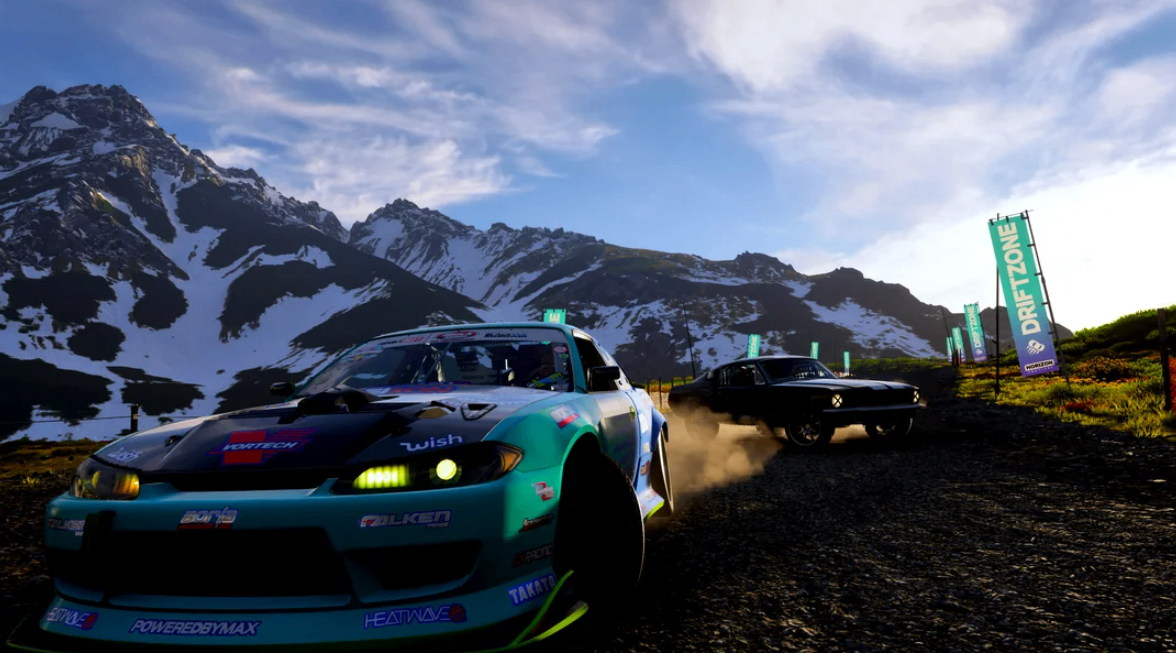
Forza Horizon 6 continues to push the boundaries of open-world racing games. Set against the vibrant streets and scenic routes of Japan, the latest entry delivers detailed environments, responsive handling, and a massive car roster. One feature drawing significant attention is the use of 2X DLSS 5, which elevates visual fidelity to levels that many describe as nearly indistinguishable from real life.
This technology, when applied at the 2X setting, transforms lighting, materials, and surface details in striking ways. Drivers can experience Tokyo at night or during golden hour with reflections, shadows, and textures that feel grounded and natural. Behind the wheel of a high-performance machine like the Porsche GT3 RS, the immersion reaches new heights.
What Makes DLSS 5 Stand Out
DLSS 5 represents a major step forward in real-time neural rendering. Unlike earlier versions focused mainly on upscaling and frame generation, this iteration infuses scenes with photoreal lighting and material properties. It analyzes motion vectors and color data to enhance consistency across frames while preserving the game's artistic intent.
In Forza Horizon 6, enabling 2X DLSS 5 produces sharper edges, more accurate reflections on wet roads or car bodies, and richer environmental details. Buildings in Tokyo gain depth, foliage moves with greater realism, and the cockpit view benefits from improved hand models and interior textures. Many players note that the difference becomes especially clear when comparing the same stretch of road with the feature toggled on and off.
Performance does come with a trade-off. The heavier computational load can reduce frame rates, particularly at 4K resolution with maximum settings and ray tracing enabled. High-end hardware, such as recent NVIDIA RTX series cards, handles the demand more gracefully, often maintaining playable speeds when paired with additional frame generation tools.
Driving the Porsche GT3 RS Through Tokyo
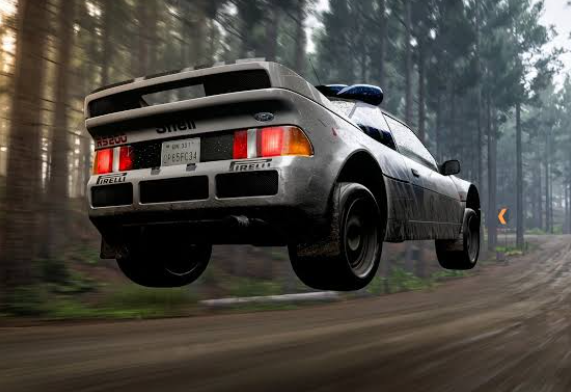
The Porsche GT3 RS serves as an ideal test vehicle for these visual upgrades. Its aggressive aerodynamics, precise steering, and distinctive engine note pair perfectly with the detailed Japanese map. Accelerating through dense urban sections reveals how DLSS 5 handles complex lighting interactions—street lamps casting realistic glows, neon signs reflecting off polished body panels, and distant cityscapes remaining sharp even at speed.
Cockpit camera perspectives highlight another strength. The driver's hands on the wheel appear more natural, and instrument cluster details stay crisp. Side views of the car capture subtle surface imperfections and dynamic shadows that shift convincingly with the sun's position. Night drives through Tokyo further showcase the technology, as artificial lighting creates deep contrasts without excessive bloom or artifacts.
Open roads outside the city center allow the game's photogrammetry-based environments to shine. Mountain passes and coastal routes benefit from enhanced atmospheric effects, making weather changes and time-of-day transitions feel seamless.
Balancing Visuals and Gameplay Progression
While graphics take center stage, Forza Horizon 6 remains a progression-focused experience. Players earn rewards through races, exploration, and challenges. Accumulating Forza Horizon 6 Credits becomes essential for unlocking new cars, upgrading performance parts, and expanding the garage. The Porsche GT3 RS itself represents a rewarding goal that many work toward after starting with more accessible vehicles.
Those looking to accelerate their collection often seek efficient ways to obtain resources. Options to buy Forza Horizon 6 Credits exist for players who prefer to focus on driving rather than grinding every event. This approach lets enthusiasts quickly access high-end cars and test them under the enhanced visual settings without lengthy waits.
Regardless of how credits are obtained, the combination of a strong vehicle roster and advanced rendering technology creates memorable sessions. Cruising Tokyo with maximum graphics enabled turns routine drives into visual showcases.
Practical Considerations for Players
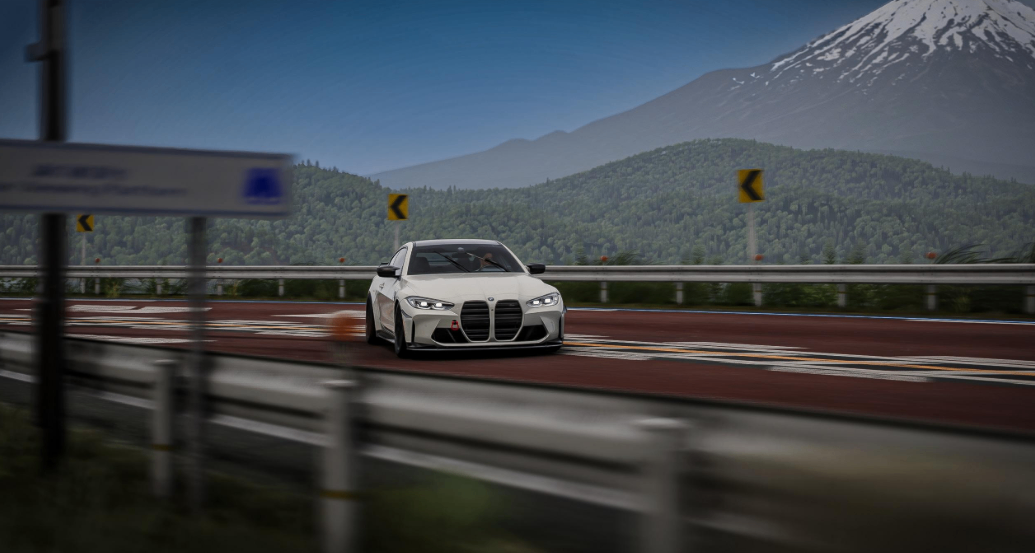
Achieving the best results with 2X DLSS 5 requires careful setup. In-game graphics should generally be set to maximum or ultra, with DLSS quality modes adjusted accordingly. Frame generation can help recover lost performance, though input latency remains a factor worth monitoring during competitive online events.
Hardware demands are higher than previous Horizon titles. Systems equipped with powerful GPUs deliver the smoothest experience, while mid-range setups may need to lower the multiplier or resolution to maintain fluid frame rates. Community discussions frequently praise the realism of hands, lighting, and environmental details when the feature is properly configured.
Some viewers of high-quality showcases comment that the results approach 90 percent real-life fidelity in certain scenes. Others note that missing pedestrians or occasional water effects can still break the illusion, yet the overall improvement remains impressive.
The Broader Impact on Racing Games
Forza Horizon 6 demonstrates how neural rendering can elevate established franchises. The open-world structure benefits particularly well because players spend significant time free-roaming rather than locked into fixed tracks. Enhanced visuals reward exploration and encourage capturing screenshots or sharing clips.
As more titles adopt similar technologies, the gap between rendered and real-world imagery continues to narrow. Racing games stand to gain substantially, since accurate lighting and material response directly affect the sense of speed and presence.
Players investing time in the game will find that mastering both the roads of Japan and the progression systems pays off. Building a diverse garage through earned or acquired Forza Horizon 6 Credits opens more opportunities to experience these graphical advancements across different vehicles and weather conditions.
Final Thoughts on the Experience
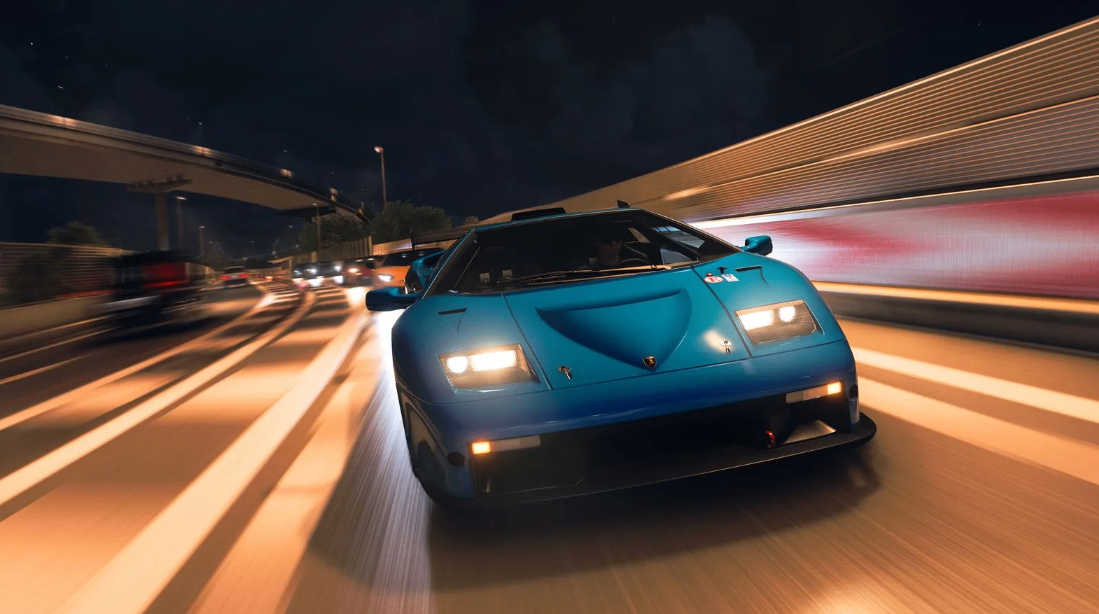
Testing 2X DLSS 5 in Forza Horizon 6 reveals a compelling vision of next-generation racing visuals. The Porsche GT3 RS tearing through Tokyo under these settings offers moments of genuine photorealism that earlier entries could only approximate. While performance costs exist, the visual payoff justifies experimentation for those with capable hardware.
Whether focusing on pure driving enjoyment or systematically expanding the collection, the game rewards attention to both its technical and progression elements. The streets of Japan have never looked more inviting, and the technology powering them continues to evolve rapidly.
For fans of open-world racing, this combination of detailed maps, responsive cars, and cutting-edge rendering creates one of the most immersive experiences currently available.