






Summary
Star Citizen Alpha 4.10's ongoing testing delivers key performance upgrades, Siege of Orison instancing improvements, and critical mission bug fixes. The new $30 Steeltech bundle adds super heavy armor, a heavy machine gun, and exclusive ship paint, with matching gear also earnable in-game. Devs resolved mission stalls, desyncs and spawn errors, with no full wipe planned. Players can buy Star Citizen AUEC to streamline progression and unlock the update's new combat and gear content faster.
Star Citizen's Alpha 4.10 update continues to advance through testing with a clear focus on stability, performance, and new gameplay systems. Recent progress includes meaningful bug fixes, a fresh monthly store offering, and ongoing refinements to mission reliability. These changes address earlier concerns and move key features closer to a live release.
Steeltech Bundle Introduces Super Heavy Armor
Cloud Imperium Games releases a themed store bundle on the second Tuesday of each month. The August 2026 Steeltech bundle features a Damascus steel pattern paired with a silver color scheme and is priced at $30.
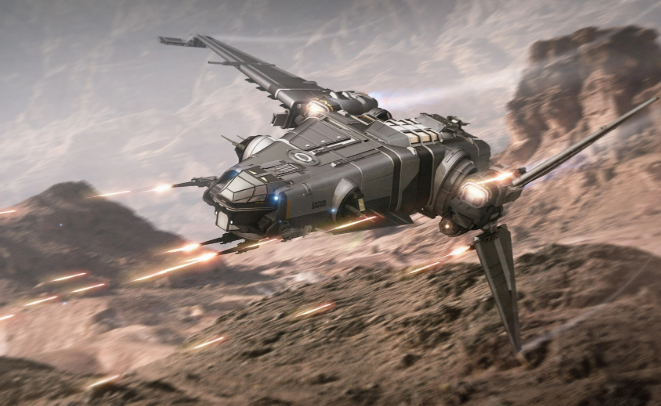
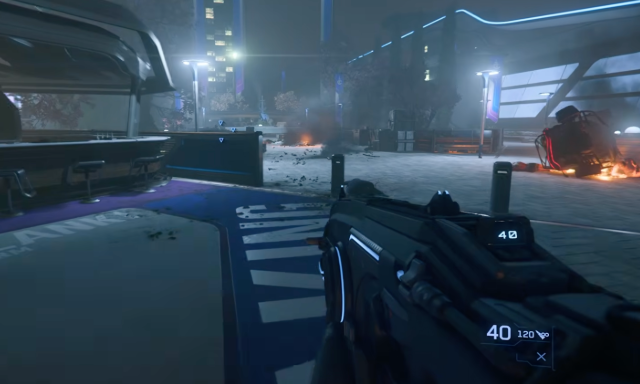
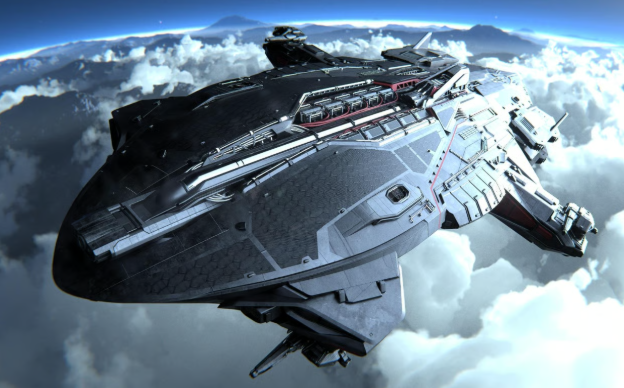
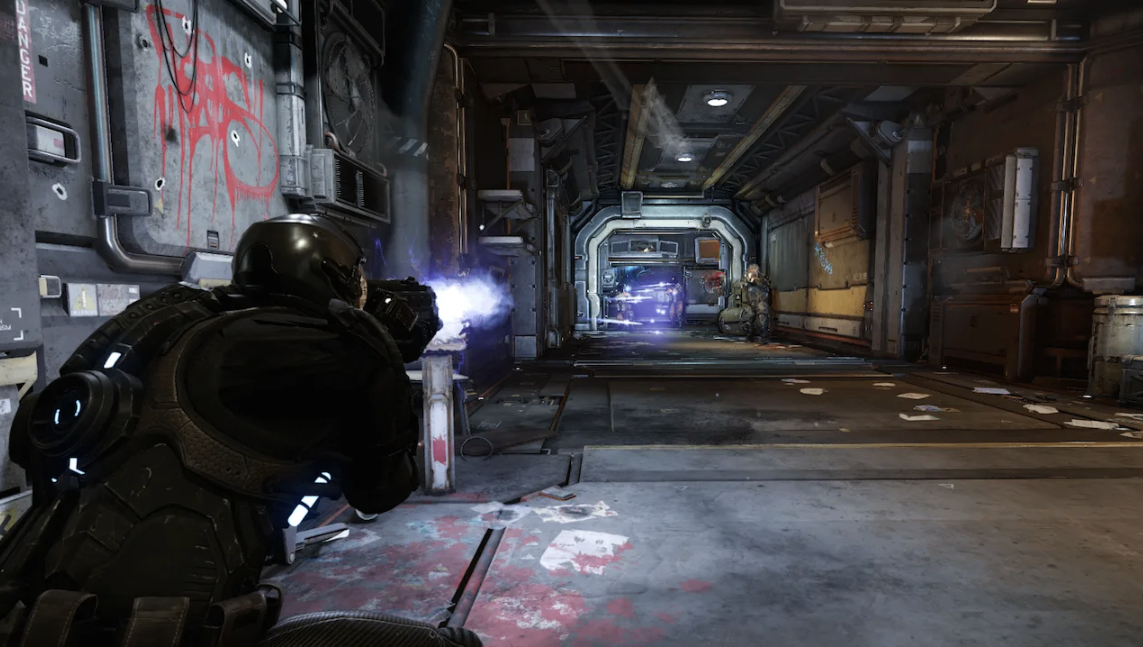
The package contains the new super heavy armor, the Apocalypse Arms Vendetta heavy machine gun, and matching Steeltech paint for the Anvil Asgard. Items bought at this stage cannot be used in the current live build. They become available once Alpha 4.10 launches, though account copies allow testing in the preview environment right away.
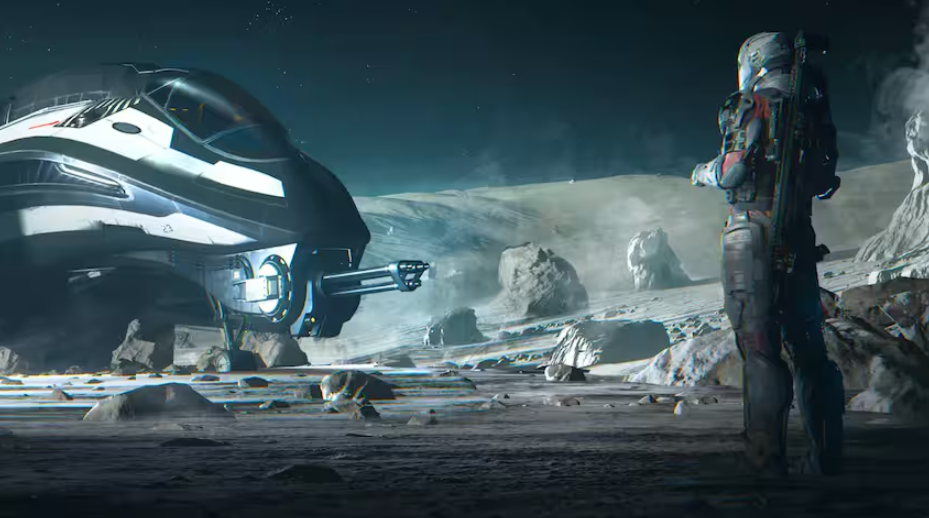
The super heavy armor prioritizes protection over mobility. Movement is deliberately slow, and players must holster their weapon to run or crouch effectively. The Vendetta cannot be fired while crouched, reinforcing the gear's role as a heavy, front-line option rather than a stealth tool. Current issues include limited starting ammunition and occasional weapon loss when storing items or interacting with other objects. These problems are expected to improve before the update goes live.
Many of the same items should later appear through regular gameplay, particularly via the Siege of Orison. Players who prefer earning equipment instead of purchasing it will have that path once the content stabilizes.
Strong Progress on Fixes and Performance
The latest preview builds for Alpha 4.10 concentrate on bug fixes, balance tweaks, and performance work. Earlier testing raised questions about the readiness of Siege of Orison and the new instancing technology. Recent patches have reduced those concerns substantially.
Developers introduced improved server load balancing and multiple performance optimizations. Potential solutions target seat erosion desync problems and inconsistent boss spawning. Checkpoints in relevant content now behave more reliably. Story mission progression has also received corrections, resolving cases where missions stalled or failed to complete.
Destroy satellite missions now correctly spawn their targets in the intended locations. Work continues on remaining issues tied to siege instancing and overall system performance. The steady pace of improvements suggests the update could reach a usable state for live release around mid-August, though additional hotfixes and further optimization are likely afterward.
No full wipe is planned with the 4.10 launch. Persistence improvements may also arrive, increasing the chance that commodities and other inventory items transfer cleanly from earlier builds.
Mission System Refinements and Team Response
Mission reliability remains an active priority. Reports of repeated failures when attempting to access certain restricted locations, including problems with access cards freezing readers, have drawn direct attention from the mission design team.
Lead designer Elliot Kakuk acknowledged that the issue has proven difficult. Fixes that passed internal checks sometimes failed under higher player loads. The team has treated it as a high-priority problem because it completely blocks progress for affected players. A candidate solution is already present in the current preview build and shows positive early results. Broader testing will confirm whether it holds up at scale.
Follow-up discussion has touched on longer-term technical debt and the need for tighter control between mission states and related systems such as elevators. These exchanges demonstrate that the team is monitoring player reports and iterating on complex interconnected systems.
Broader Implications for the Persistent Universe
Alpha 4.10 represents more than routine maintenance. The return of Siege of Orison as an instanced first-person experience, supported by the new instancing technology, marks an important expansion of group content. Complementary systems-including expanded mission givers, a new armor class, and heavy weapons-add depth to both combat and progression loops.
Players who focus on earning currency through gameplay will find additional activities that reward consistent effort. Careful management of Star Citizen AUEC becomes increasingly relevant as new gear, ammunition, and mission payouts enter the economy. Those looking for efficient progression often seek cheap Star Citizen AUEC through legitimate in-game activities and smart resource use rather than external channels.
Open development means the process includes setbacks, rapid corrections, and occasional schedule adjustments. Recent patches illustrate that focused iteration can turn unstable builds into more reliable experiences in a relatively short time. Player feedback continues to influence priorities, as shown by the direct responses to mission-related reports.
Current Outlook for the Update
Star Citizen remains an ambitious project still in its alpha phase. Systems such as seamless instancing, large-scale first-person encounters, and more robust mission frameworks require careful refinement. The latest work on 4.10 shows measurable gains in performance, reliability, and content readiness.
Whether players acquire the Steeltech bundle for immediate access to the new armor and heavy machine gun or wait to earn comparable gear through Siege of Orison and related activities, the available options continue to expand. Ongoing optimization and bug resolution will shape how smooth the transition to the live environment feels.As testing advances, the combination of technical progress and responsive development offers grounds for measured optimism. Each targeted improvement brings the Persistent Universe closer to a more polished and engaging state for the community.