





In Aion 2, dungeon design continues to evolve with encounters that emphasize coordination, awareness, and adaptability. One of the standout experiences for mid-to-high-level players is the Corridor of Illusions in Normal Mode. While not as punishing as its harder counterpart, this dungeon still demands careful execution and a solid understanding of its mechanics. Whether you are stepping in for the first time or refining your strategy for faster clears, mastering this instance is key to efficient progression.
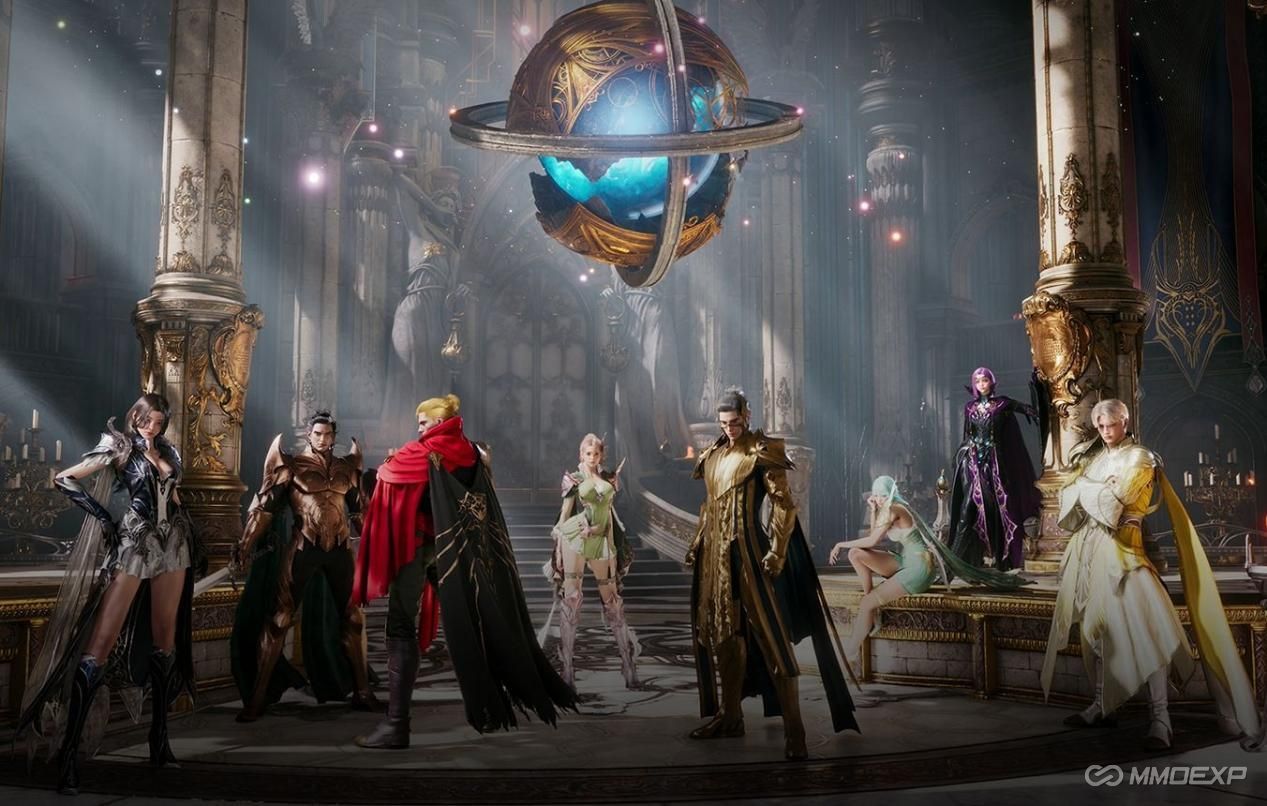
The Corridor of Illusions is built around deception and shifting realities, blending environmental hazards with illusion-based enemies. From the moment players enter, the dungeon establishes its core theme: what you see is not always what you get. Visual misdirection plays a major role, and players must stay alert to subtle cues that reveal the true threats.
A typical party composition for Normal Mode includes a tank, a healer, and damage dealers, though flexibility is possible depending on gear and experience. Tanks should be prepared to maintain control over multiple enemies at once, as mobs frequently spawn in groups and may include illusionary duplicates. These duplicates often mimic real enemies but deal reduced damage or vanish after taking a few hits. Identifying and prioritizing real threats is essential to avoid wasting time and resources.
The early sections of the dungeon serve as a warm-up, introducing players to the illusion mechanics. Enemies here may split into copies or create mirror images that confuse targeting. The key strategy is to observe behavior patterns real enemies will consistently attack and take damage normally, while illusions tend to flicker, disappear, or deal inconsistent damage. Area-of-effect (AoE) skills are particularly effective in these encounters, as they help clear both real enemies and their copies simultaneously.
As players progress deeper, environmental hazards become more prominent. Hallways may shift, and traps can appear unexpectedly underfoot. Some sections require players to navigate carefully while avoiding damage zones that pulse or move across the floor. Communication is critical here, especially if the group is unfamiliar with the layout. Rushing through these areas often leads to unnecessary damage and puts pressure on the healer.
Mini-boss encounters introduce more structured mechanics. One common feature is the use of illusion phases, where the boss creates multiple versions of itself. During these phases, only one version is real, and attacking the wrong one can trigger penalties such as AoE damage or debuffs. Players should watch for visual indicators, such as slight color differences or unique animations, to identify the correct target. Assigning one player to call out the real boss can greatly improve efficiency.
Another mechanic to watch for is mind-affecting abilities. Some enemies can temporarily confuse players, causing them to attack allies or lose control of their character. Healers and support classes should be ready with cleansing abilities to counter these effects quickly. Positioning also matters spreading out can reduce the impact of confusion-based attacks that affect multiple targets at once.
The final boss of the Corridor of Illusions ties together all the dungeon's themes. This encounter typically involves multiple phases, each introducing new variations of illusion mechanics. Early in the fight, the boss may summon mirror images that need to be distinguished and eliminated. Later phases might include arena-wide effects, such as shifting safe zones or expanding fields of damage that force players to reposition constantly.
One of the most important aspects of the final fight is managing transitions. When the boss changes phases, it often resets threat or introduces adds that must be controlled immediately. Tanks should be ready to re-establish aggro quickly, while damage dealers switch targets as needed. Ignoring adds can overwhelm the group, especially if they come with their own illusion-based tricks.
Healers play a crucial role throughout the dungeon, but especially in the final encounter. Sustained damage, combined with sudden bursts from failed mechanics, can quickly push a party to its limits. Efficient resource management and timely use of cooldowns are essential. Keeping the group stable during chaotic phases often determines success or failure.
Despite its challenges, Normal Mode is designed to be accessible. Players who take the time to learn its mechanics will find it a rewarding experience that prepares them for harder difficulties. Gear checks are present but not overly restrictive, allowing most groups to succeed with proper execution rather than relying solely on high stats.
To maximize efficiency, groups should focus on clear communication and role awareness. Calling out mechanics, marking targets, and coordinating cooldowns all contribute to smoother runs. Over time, as players become more familiar with the dungeon, they can optimize their approach and reduce completion times significantly. Get reliable Aion 2 Items and Aion 2 Kinah services from MMOexp to help you level up quickly and clear dungeons.
The Corridor of Illusions in Normal Mode offers a balanced mix of challenge and accessibility. Its emphasis on illusion mechanics sets it apart from more straightforward dungeons, requiring players to think critically and adapt on the fly. By understanding enemy behaviors, managing environmental hazards, and coordinating effectively as a team, players can overcome its deceptive design and emerge victorious.
MMOexp Aion 2 Team


