




Summary:
Struggling to get defensive stops in College Football 27? This complete defensive guide covers formations, coverage adjustments, user defense techniques, blitz strategies, College Football 27 Coins, and advanced settings to help players dominate both online games and Dynasty mode.
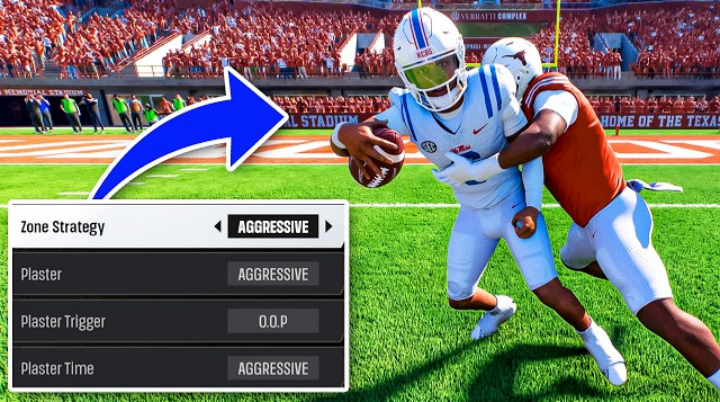
College Football 27 Defense Guide: The Ultimate Strategy to Improve Your Stops
Defense has always been one of the hardest parts of College Football games. While offense often gets the spotlight, winning consistently in College Football 27 requires strong defensive fundamentals, smart adjustments, and the ability to read your opponent. With new mechanics, improved AI reactions, and more defensive options, simply picking random plays is no longer enough.
The key to becoming a better defender is mastering the basics first. Understanding formations, knowing when to use specific coverages, adjusting your defense before the snap, and controlling the right player can completely change the way you play.
This guide breaks down everything you need to know about building a reliable defensive system in College Football 27.
Step 1: Choose the Right Defensive Formation and Personnel
Before making adjustments, the first thing you need to understand is defensive personnel. Your formation should match the offensive formation your opponent is using.
Traditional formations like 4-3 and 3-4 defenses work best when your opponent has two or fewer wide receivers on the field. These formations provide more linebackers and defensive linemen, making them stronger against running plays.
However, when facing modern passing offenses with three or more receivers, you should move into balanced formations like:
Nickel
4-2-5
Dime packages
These formations add extra defensive backs, giving you better speed and coverage ability without completely sacrificing run defense.
For beginners, Nickel and 4-2-5 are excellent base formations because they allow you to defend both the run and pass effectively.
Popular Nickel formations include:
Nickel Over
Double Mug
Load Mug
Wide Nickel
These defensive packages give you enough flexibility to handle most offensive strategies.
Step 2: Match Your Personnel to Avoid Defensive Mismatches
One of the biggest mistakes beginner players make is using the wrong defenders against certain offensive formations.
For example, if your opponent has three wide receivers and you stay in a 4-3 formation, your linebacker may be forced to cover a slot receiver.
This creates a major mismatch.
Linebackers usually have:
Lower speed
Worse coverage ratings
Slower reactions
Compared to cornerbacks and safeties.
A fast receiver will easily win that matchup.
The solution is simple:
Use linebackers against tight formations
Use cornerbacks and safeties against spread offenses
Matching personnel correctly gives your defense a much higher chance before the play even begins.
Step 3: Master Defensive Line Adjustments
The defensive line controls the foundation of your defense. Proper adjustments can stop both rushing attacks and passing plays.
To adjust the defensive line:
Press the right stick left to open defensive adjustments.
You can then choose different options:
Spread Defensive Line
Moves defenders wider and helps protect against outside runs.
Pinch Defensive Line
Moves defenders closer together and helps stop inside runs.
Outside Slant
Makes defensive linemen attack outside gaps.
Useful against:
Outside zone runs
Stretch plays
Inside Slant
Makes defenders attack inside gaps.
Useful against:
Inside zone
Power runs
Learning when to spread or pinch your defensive line is essential for stopping predictable offenses.
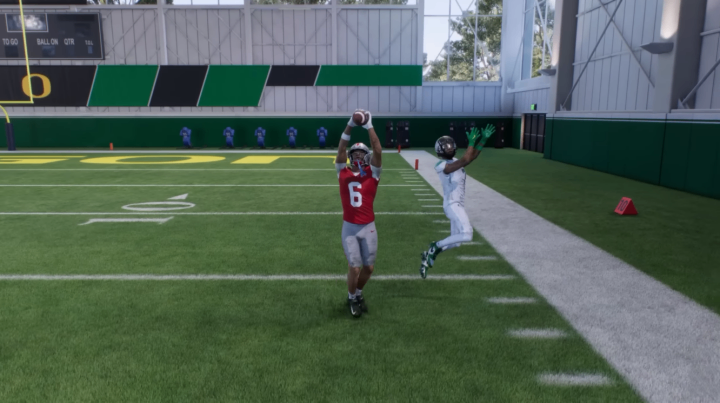
Step 4: Use Defensive Line Stunts for More Pressure
Defensive line stunts create confusion by changing how defenders attack offensive linemen.
Two important options are:
Texas Four-Man
This stunt focuses on collapsing the inside.
Use it when:
Opponents constantly run between the tackles
You want to clog rushing lanes
El Paso Four-Man
This stunt attacks outside gaps.
Use it against:
Outside runs
Stretch plays
Combining these stunts with user control can completely shut down rushing attacks.
Step 5: Learn Linebacker Adjustments
Linebackers have their own adjustment menu.
Press the right stick right to access linebacker options.
You can:
Spread linebackers
Pinch linebackers
Blitz linebackers
Put linebackers into zone coverage
Show blitz
Showing blitz is especially useful because it creates confusion. Your opponent may think pressure is coming, forcing rushed decisions.
Step 6: Understand Coverage Adjustments
Coverage adjustments are some of the most important defensive tools in College Football 27.
Hold L2/LT to access global coverage adjustments.
You can adjust:
Press Coverage
Moves defenders closer to receivers.
Useful when:
You want physical coverage
You have safety help over the top
Back Off Coverage
Creates more space.
Useful against:
Fast receivers
Deep passing plays
Shade Inside
Protects against:
Slants
Posts
Drag routes
Shade Outside
Protects against:
Corner routes
Out-breaking routes
Knowing what routes your opponent prefers allows you to make targeted adjustments.
Step 7: Learn Over Top, Underneath, and Route Commit Adjustments
College Football 27 gives defenders more control over defensive priorities.
Play Over Top
Use when:
Opponent needs a big play
Late-game situations
Preventing deep touchdowns
Your defenders focus on stopping vertical routes.
Play Underneath
Use against:
Drag routes
Screens
Flat routes
Your defenders attack short passing options.
Commit Inside/Outside
These options are stronger than normal shading.
Shading changes alignment.
Committing tells defenders to aggressively attack a specific route direction.
For example:
If your opponent constantly throws slants, commit inside.
If they spam corner routes, commit outside.
However, choosing incorrectly can create huge openings, so use these adjustments carefully.
Step 8: Use Defensive Coverage Shells to Hide Your Defense
One advanced strategy in College Football 27 is using coverage shells.
Coverage shells allow your defense to look like one coverage before the snap while actually playing another.
For example:
You can set your shell to Cover 2.
Your opponent sees Cover 2 alignment.
But after the snap, you may actually be running:
Cover 3
Cover 2 Man
Tampa 2
This makes it harder for opponents to identify your defense.
For beginners, Cover 2 shell is one of the safest options.
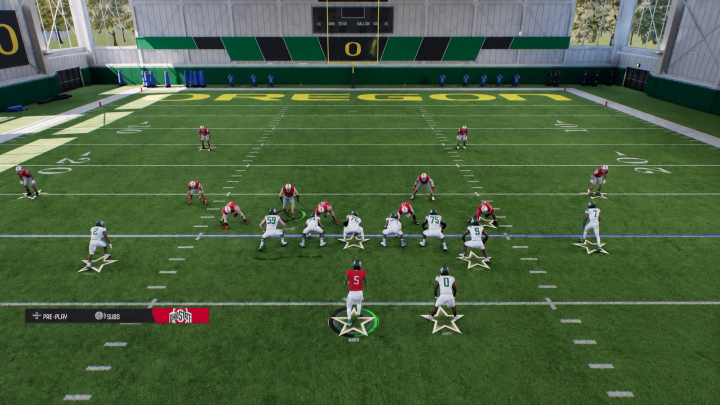
Step 9: Become a Better User Defender
User defense separates average players from elite players.
You should avoid controlling defensive linemen because they have limited influence.
Instead, control:
Linebackers
Safeties
For beginners, linebackers are the safest choice.
A great rule:
User the defender closest to the running back.
Why?
Because you can:
Stop runs faster
Cover check-down routes
Help against screens
Do not abandon your zone immediately. Stay responsible for your area first, then react.
Good user defense is about baiting quarterbacks into bad decisions.
Step 10: Use Blitzes at the Right Time
Blitzes are powerful but risky.
A good defensive blitz usually has:
Six rushers
Man coverage behind it
Popular options include:
Over Storm Brave
Edge Blitz Zero
Blitz when:
Your opponent holds the ball too long
They rely on long developing routes
They struggle under pressure
However, always check who covers the running back.
A bad matchup can result in easy passing yards.
Step 11: Best Defensive Settings for College Football 27
Some settings can dramatically improve your results.
Recommended adjustments:
Auto Flip Defensive Play Call
Keep ON.
Cornerback Matchup
Keep Balanced.
Option Read Key
Set Conservative.
Helps stop quarterback runs.
Option Pitch Key
Set Aggressive.
Helps defend speed options.
RPO Read and Pass Key
Set Conservative.
Helps against bubble screens and RPO spam.
If your opponent runs constantly:
Pinch safety width
Move safety depth closer
These adjustments bring defenders into the box.
Step 12: The Best Defensive Game Plan
A simple defensive strategy can win many games.
Start with:
Cover 2 Man
Use against players who struggle against man coverage.
Then switch to:
Tampa 2
Force opponents to take short gains.
Then use:
Cover 3 Sky
Punish players who rely on check-down throws.
Finally:
Man Blitz
Use when your opponent becomes predictable.
The goal is not to run one defense every play.
The best defenders constantly adjust.
Final Thoughts: Build Your Defensive Identity in College Football 27
Defense in College Football 27 is about preparation, adjustments, and patience. You do not need complicated schemes to succeed. Mastering formations, coverage adjustments, user control, and situational defense will already put you ahead of most players.
Start with a reliable Nickel or 4-2-5 formation, learn Cover 2 Man, Tampa 2, and Cover 3 Sky, then slowly add advanced adjustments like shells, cheap College Football 27 Coins, blitzes, and individual assignments.
Once you understand how to read your opponent, defense becomes less about reacting and more about controlling the game. With the right strategy, you can turn frustrating defensive losses into dominant wins in College Football 27.