






Summary
Path of Building 2 (PoB 2) is an essential third-party build planner for Path of Exile 2 that allows players to theorycraft, optimize, and share character builds offline. It calculates skill DPS, damage over time, life/mana/energy shield totals, and can factor in auras, buffs, charges, curses, and monster resistances. The tool also integrates with Path of Exile 2's in-game Build Planner feature introduced in Patch 0.5 "Return of the Ancients," which lets players import community-made builds directly into the game client. This guide covers everything you need to know to start using PoB 2 effectively. To test your builds in-game, buy POE2 Currency and gear up without the grind.
Downloading and Installing Path of Building 2
Where to Download
Path of Building 2 is a community-driven project available on GitHub. It is a standalone tool separate from the Path of Exile 1 version. You can download the latest release from the official GitHub repository.
When you visit the Releases page, look for the "Assets" section under the latest release. You will find two main options: the Setup.exe file, which is recommended for most users and runs a standard installation wizard, and the portable .zip file for users who prefer a version that does not require installation.
After downloading, run the installer and install the program in your preferred drive. Since it is a standalone application, it does not need to be inside the Path of Exile 2 folder.
Version Note
Make sure you download the PoE 2 version, not the PoE 1 version. The Path of Building Community fork maintains both games separately.
Understanding PoB 2's Interface
Main Tabs Overview
PoB 2 is organized into several key tabs, each serving a specific function.
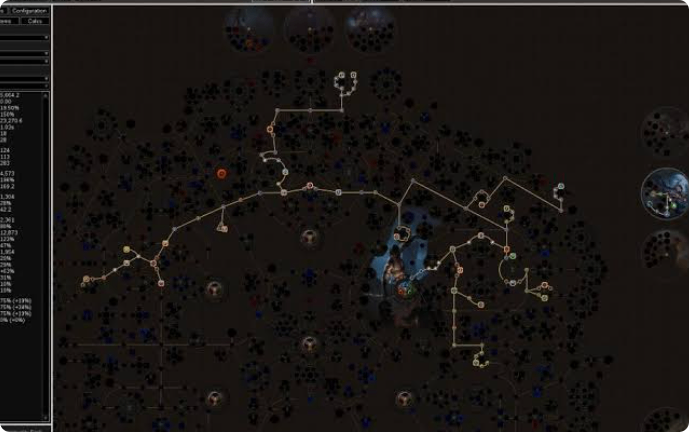
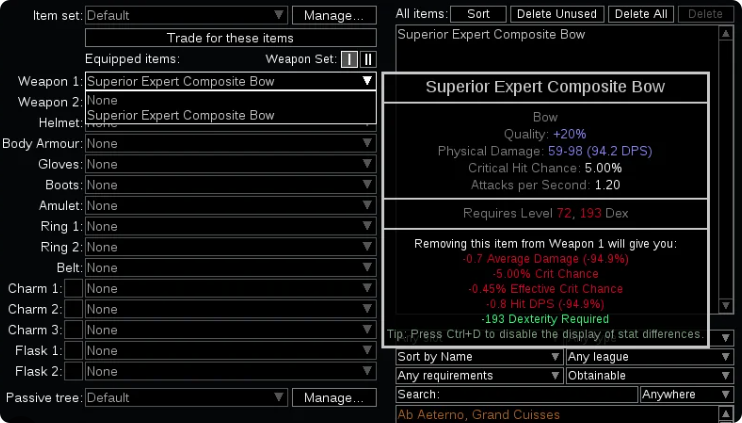
The Import/Export tab is used to load builds from share codes or URLs and export your own builds. The Items tab handles gear slots, crafting simulation, and item comparison. The Skills tab manages gem and support gem configuration. The Tree tab is where you plan your passive skill tree with node power rankings. The Calcs tab provides DPS and EHP breakdowns with hover tooltips showing data sources. The Config tab allows you to set quest rewards, enemy settings, and combat assumptions.
What the Colors Mean
Throughout the program, supported modifiers will show in blue, while unsupported ones show in red. This makes it easy to identify which parts of your build are fully calculated by the tool.
How to Import Builds into PoB 2
Method 1: Import from Pobb.in Links
Most content creators host their builds on pobb.in. To import one, open the build guide and look for the PoB section with a pobb.in link. Copy the URL at the top of the page, then open Path of Building 2 and click the Import/Export button at the top left. Paste the URL into the "To import a build, enter URL or code here" field and click Import.
The entire build—including passive tree, skills, support gems, and gear—will load instantly.
Method 2: Import from PoEPlanner or PathofExile.com Links
The passive tree planner can import links from PoEPlanner.com and PathofExile.com passive tree URLs.
Method 3: In-Game Build Planner Integration
Patch 0.5 introduced a new in-game Build Planner that works alongside PoB 2.
To import a build into the game client, first download the .build file from a build hosting site such as Mobalytics. Navigate to the BuildPlanner folder located in your Documents under My Games, then Path of Exile 2. Copy and paste the downloaded .build file into this folder. Open Path of Exile 2 and open your Passive Skill Tree by pressing P, then click the Build Planner icon in the top-left corner. Select the imported build from the dropdown menu.
Once imported, the game will highlight passive nodes in blue, showing the exact path to follow. Hover the Build Planner icon on gear slots to see recommended items. The interface also shows which Skill, Spirit, and Support Gems the build requires.
Many builds come with multiple files for Leveling, Midgame, Lategame, and Endgame. You can switch between them as you progress.
Configuring Skills and Support Gems
Adding Skills
In the Skills tab, click New Group to create a skill group, then search for your main skill by name, such as Earthquake or Spark. The skill will be added to your build.