



Sign up to get Coupon with a
Shopping Cart
SECURE CHECKOUT orContinue Shopping

Path of Exile 2 Ritual Farming Guide: Efficient Tribute Generation and Atlas Strategy

POE 2 Jun-24-2026 PST

Summary

Ritual remains one of the most consistent farming mechanics in Path of Exile 2, particularly when valuable Omens and other Ritual-exclusive rewards maintain strong market demand. This guide explains how to set up an efficient Ritual farming strategy, optimize your Atlas Tree, select cost-effective tablets, maximize Tribute gains, and manage rewards to create a stable source of currency. 

Step 1: Set Up Head of the King and Plan Your Map Chain

The foundation of efficient Ritual farming is the Head of the King mechanic. Before beginning a farming session, activate Head of the King and plan a sequence of maps that prioritizes city layouts.

For the best results:

Choose one or two maps outside the city at the beginning of the chain.

Use city maps for the remaining majority of the sequence.

Aim for at least half of your maps to be city layouts.

If possible, run the final maps entirely within city regions.

The purpose of the early maps is to build progression within the chain. The later maps receive the greatest benefits, including higher Tribute generation, additional rerolls, and stronger rewards.


Step 2: Configure Your Ritual Atlas Tree

The Ritual Atlas Tree should focus primarily on maximizing Tribute generation and improving Ritual rewards.

Key priorities include:

Allocate Ritual-related nodes that increase Tribute efficiency.

Take nodes that reduce Tribute penalties while increasing monster toughness.

Invest in tablet-effectiveness bonuses whenever possible.

Use a completed Atlas Tree if available, but ensure Ritual nodes remain the primary focus.

The goal is to generate as much Tribute as possible while maintaining a reasonable level of map difficulty.


Step 3: Select an Appropriate Atlas Master

Jado is generally the preferred Atlas Master for Ritual farming.

The main benefits include:

Additional map modifiers through Unexpected Missions.

Increased effectiveness of tablet modifiers through Partial Translations.

Better overall interaction with Ritual tablets.

An alternative option is Doryani, which provides additional utility through irradiated and evolutionary bonuses. However, Jado usually offers stronger benefits specifically for Ritual-focused farming.


Step 4: Use Cheap Tablets Early and Strong Tablets Later

Tablet management is one of the most important aspects of maintaining profitability.

For the first maps in the chain:

Use inexpensive tablets.

Focus on basic Tribute bonuses or increased Omen chances.

Avoid spending heavily before reaching the city maps.

These maps serve mainly as preparation for the more profitable stages of the chain.

Once you reach the city maps:

Equip higher-value tablets.

Prioritize tablets that increase rerolls.

Use Freedom of Faith whenever possible.

Since the later maps provide the highest rewards, this is where expensive investments generate the most value.


Step 5: Build an Efficient Tablet Combination

A balanced tablet setup often produces better returns than stacking rerolls excessively.

A practical setup consists of:

Tablet One

Additional Ritual rerolls.

Tablet Two

Increased chance for Omens.

Increased Tribute from monster sacrifices.

Tablet Three

Reduced Tribute cost for rerolls.

Additional chance for Omens.

This combination balances reward quality, reroll efficiency, and Tribute generation while keeping overall costs under control.


Step 6: Choose the Right Waystones

Waystone selection has a significant impact on Tribute generation.

For most maps:

Use corrupted Waystones with moderate pack size.

Aim for approximately 20–30% pack size.

Include additional rarity whenever possible.

For the final maps in the chain:

Prioritize maximum pack size.

Use Omens to craft stronger Waystones.

Corrupt high-quality Waystones for additional bonuses.

Pack size directly increases the number of monsters available for Ritual encounters, which leads to larger Tribute totals.


Step 7: Optimize Boss Timing

When possible, defeat the map boss before completing Ritual encounters.

This strategy allows the boss to be resurrected during subsequent Rituals, creating additional opportunities for Tribute generation.

However, this approach is most valuable during the later maps in the chain when Tribute gains are already high. In the early maps, the benefit is generally less significant.


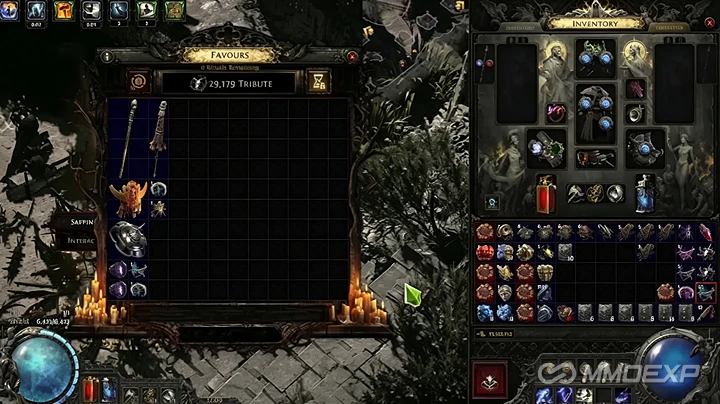
Step 8: Manage Tribute and Reward Purchases

Efficient reward management is critical for long-term profit.

When opening Ritual rewards:

Prioritize valuable Omens and high-demand items.

Use rerolls aggressively when reward quality is poor.

Defer expensive items rather than purchasing them immediately.

Continue deferring valuable rewards until their cost becomes manageable.

Items commonly worth targeting include:

Valuable Omens

Whitlings

High-value crafting rewards

Rare Ritual-exclusive rewards

Deferring allows you to secure expensive rewards over multiple encounters without consuming large amounts of Tribute at once.


Step 9: Spend Remaining Tribute Efficiently

After securing high-priority rewards:

Purchase smaller profitable items if Tribute remains.

Avoid leaving large amounts of unused Tribute.

Continue rerolling whenever worthwhile opportunities remain.

Even lower-value Omens can contribute meaningful profit over many farming sessions.


Conclusion

Efficient Ritual farming relies on a combination of proper map sequencing, smart tablet investment, and effective Tribute management. By using inexpensive setups early, investing heavily only in the most rewarding city maps, maximizing Omen chances, and carefully managing rerolls and deferrals, players can create a consistent and relatively stable POE2 Currency farming strategy. While rare jackpot rewards are always possible, most profits come from repeatedly acquiring valuable Omens and other Ritual-exclusive items through disciplined farming practices.