






Summary
Raven 2's endgame is a demanding landscape where powerful gear, strategic party coordination, and meticulous resource management separate the victorious from the defeated. This guide synthesizes lessons from intense boss encounters and breaks down the key systems you need to master to progress. If you want to accelerate your gearing, you can find Raven 2 Crystal for sale from trusted sellers.

1. Understanding the Gear Progression Path
Your journey to power in Raven 2 revolves around a clear gear progression system. Understanding the hierarchy and how to upgrade is crucial.
The Gear Tiers
The core gear progression follows a specific path:
Normal (White) → Rare (Blue) → Heroic (Purple) → Ancient → Legendary.
How to Obtain Legendary Gear
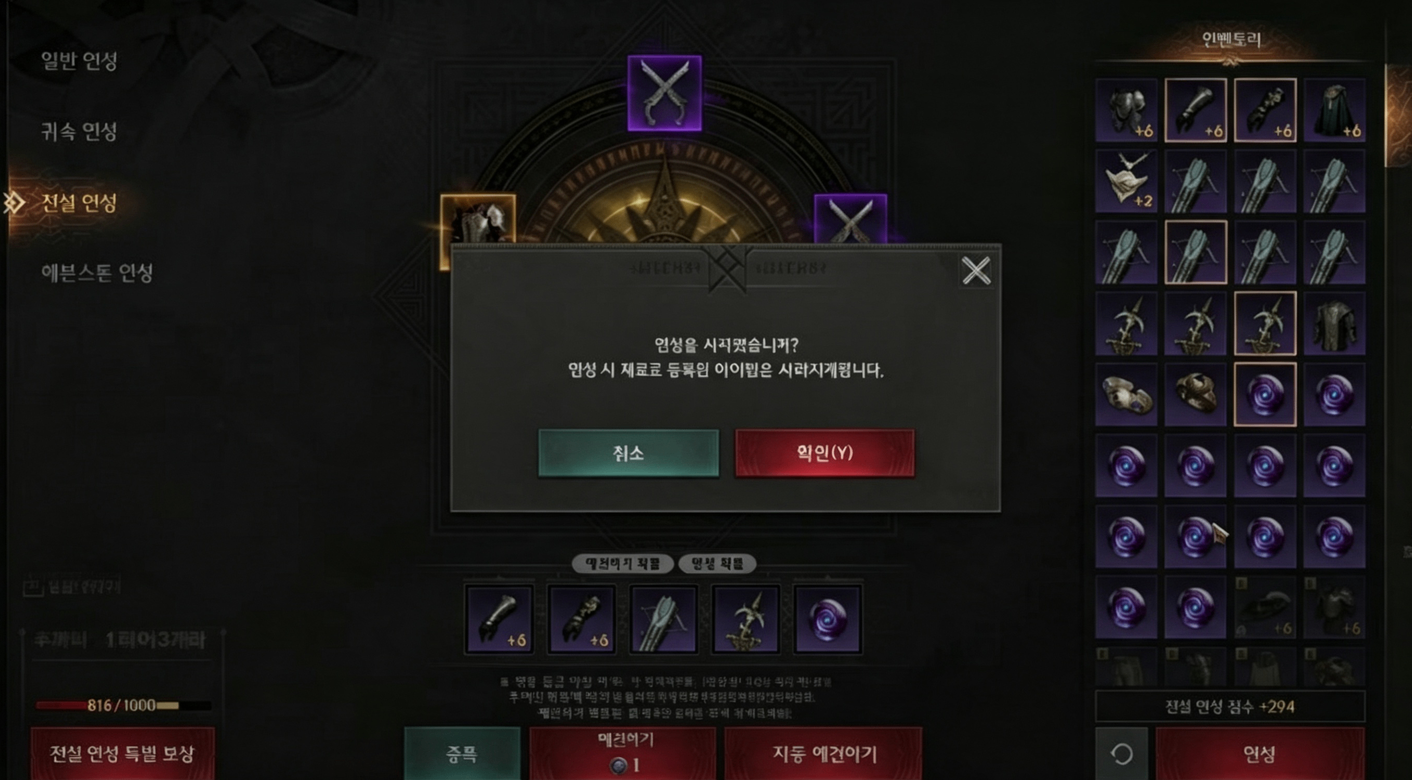
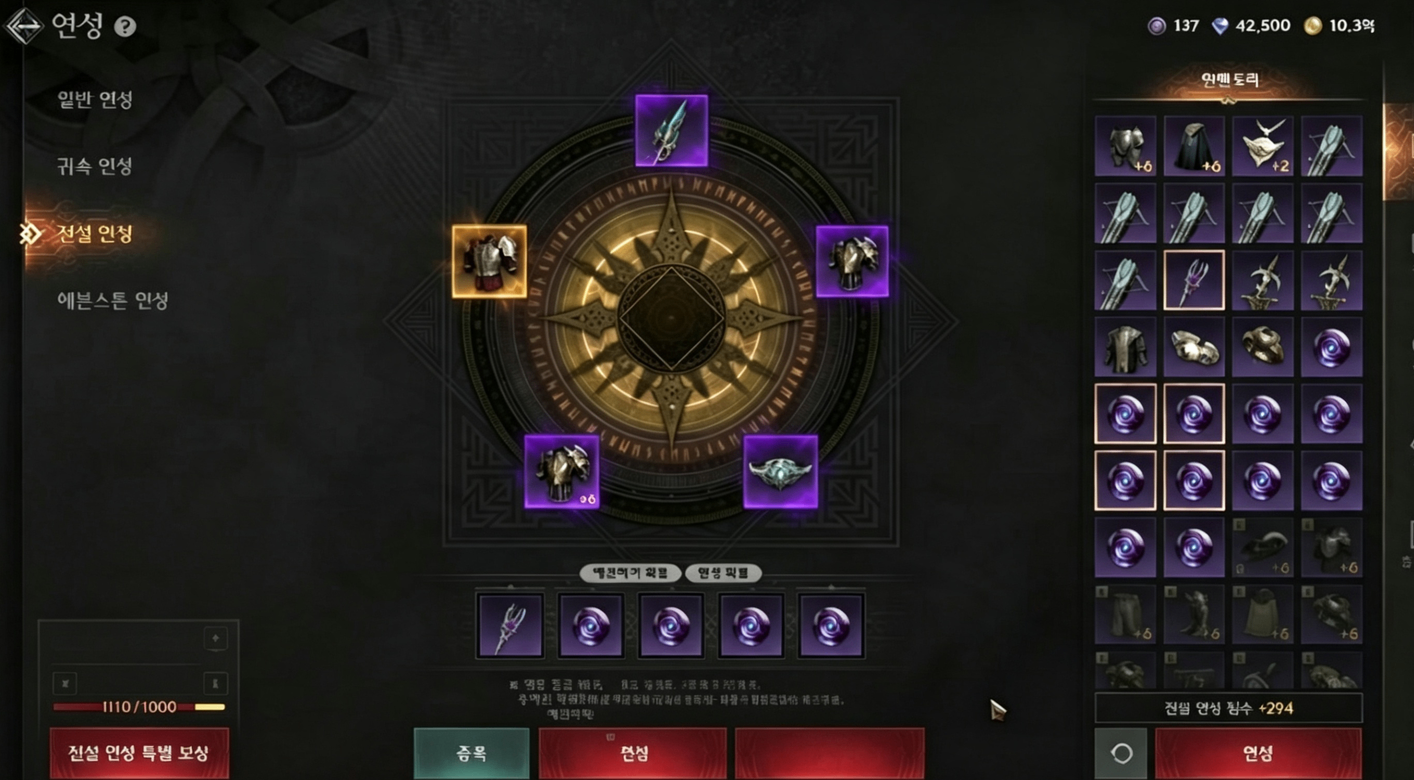
Legendary equipment is the ultimate goal for most endgame players. There are two primary methods to acquire it:
The 'Upgrade' System: This involves using specific materials like Superior Combination Stones and Legendary Upgrade Scrolls on a level 110 Ancient-grade item. This process has a 10% success rate.
The 'Inheritance' System: A safer but more expensive method where you use an existing Legendary item to upgrade an Ancient-grade item. The Ancient item will retain its base type and sub-attributes while inheriting the Legendary item's upgrade, enhancement, and refinement levels.
Key Resources for Gear Progression
Farming and accumulating the right resources is a full-time job. Here’s what you need to prioritize:
Legendary Upgrade Scrolls: These drop primarily from monsters in the Ameinis region.
Legendary Upgrade Scroll Fragments: These are used in crafting and are obtained by completing Ameinis and Leom area missions and from opening unrefined ores in the Level 5+ Ghost Mine dungeon.
Superior Combination Stones: A crucial material for the upgrade process.
Gear Strategy: Patience is Key
A common player pitfall is rushing to upgrade suboptimal gear. The endgame is a marathon, not a sprint. A recommended strategy is to farm until you have a full set of 110 Ancient gear first. Even if its sub-attributes aren't perfect, you can upgrade it and later use the Inheritance system to transfer the progress to a better base item.
2. The Stella System: A Power Multiplier
The Stella system is a deep progression mechanic that provides massive stat bonuses. It's a two-part system: equipping Stellas to unlock Amplification slots, and then rolling for permanent stat bonuses in those slots.
Prioritizing Amp Points
When equipping Stellas, your top priority is to maximize your Amplification (AMP) Points. These points are required to unlock new slots for the Amplification system, which is where your biggest power spikes come from. The rarity of a Stella (Heroic, Legendary) directly correlates to the number of Amp Points it provides, so focus on equipping your highest rarity Stellas first. Set bonuses are a secondary, though still important, consideration.
Amplification: Rolling for Power
The Amplification system is your primary stat sink. You will use Stella Carving Knives and a valuable currency called Terammon to roll for stats.
Locking Stats: You can lock a good roll to preserve it while you reroll the others. Warning: locking stats drastically increases the Terammon cost (e.g., 0 Terammon with no locks, 5 with one lock, 25 with two locks).
The Grade Bonus: Your lowest rarity stat determines a powerful bonus for that slot. Aim to get all rolls to at least Heroic (Purple) first, then Legendary (Yellow), and finally Mythic (Red). This strategy maximizes your power gains without burning through all your Terammon.
Critical Resource Management
Terammon is Precious: Don't start aggressively locking stats until you have a good base. Be patient.
Crafting Knives: You can upgrade lower-tier knives into higher-tier ones through the crafting system (e.g., 3 Common Knives → 1 Uncommon Knife).
3. Mastering Endgame Boss Encounters
Endgame boss fights in Raven 2 require more than just high stats; they demand strategy and teamwork. The detailed in-game narrative of a boss fight highlights key tactical elements.
Key Tactical Principles
Clear Trash Mobs: Before focusing on the boss, clearing surrounding mobs is essential to prevent being overwhelmed. Communication like "Check if they're hitting the boss" and "One person keep an eye on them" indicates a coordinated strategy to maintain awareness of both the boss and additional enemies.
Coordinate Positioning: Positioning is everything. Phrases like "Let's group up towards the 3 o'clock direction from the boss" or "Push towards 12 o'clock" are calls to reposition the entire team. Good positioning often involves forcing the enemy into a "sandwich" from multiple angles.
Burst Damage Windows: Recognizing when to use your strongest attacks is crucial. Boss health bars can be massive, and a successful strategy involves chunking down a significant portion of HP in a single push.
Managing "Burst" Opportunities: Both you and your enemies have "burst" phases. "If we push, their burst is coming" highlights the need to be aware of when your opponent will unleash their maximum damage, allowing you to prepare defensive abilities or reposition.
Facing "The Mysterious Malves"
An example from Chapter 18-9, "The Mysterious Malves," showcases the difficulty of a typical endgame boss. This boss is known for high damage output and a massive health pool, making it a wall for many players. Overcoming it requires dedicated effort on both the strategic and gear fronts.
4. The "Pay-to-Win" Wall: Latent Traits
The Latent Traits system is one of the most powerful, yet most pay-to-win-leaning mechanics in Raven 2. It provides permanent stat increases that are crucial for min-maxing.
The Core Mechanic
Trait Essences are the currency required to roll for these stats. They are notoriously hard to obtain through normal gameplay, often limited to monthly check-ins and rare events.
The most reliable way to get them is through cash shop purchases, making it a significant wall for free-to-play players.
The Brutal RNG
Rolling for Latent Traits is a high-stakes gamble. Once you confirm a roll, you cannot undo it. You are stuck with the outcome unless you completely reset the trait, which refunds nothing. This means locking in a bad roll can permanently weaken your build.
The Strategy: Aim for Ability Score
The goal is to hit an Ability Score of 55, which unlocks a massive Weapon Attack +10 bonus. To do this efficiently, you must be extremely selective.
Node 1 (Basic Attack Damage Amp): Always aim for a maximum roll of 6. Never settle for less than 3%.
Node 3 (Crit Resistance): Prioritize this over Additional Attack vs Humans, and accept only a 5 or 6.
Other Node Values: Systematically work through each of the 10 nodes, understanding that some have as low as a 1% chance for a 6, while others have 2%.
5. Building a Power Routine
A consistent daily and weekly routine is the foundation for steady progress in Raven 2. Here is a recommended structure:
Summary Table: Key Endgame Systems
By mastering these systems, coordinating effectively with your party, and meticulously managing your resources, you can conquer even the most daunting challenges Raven 2 has to offer. And if you're looking to fast-track your progress without the endless grind, you can buy Raven 2 Crystal through MMOEXP, a trusted platform known for competitive prices and fast delivery—giving you the resources you need to upgrade your gear, unlock powerful Stellas, and stay ahead of the competition.